I can now confirm that Eilat rightly earns the comparison to Las Vegas. This city on the shores of the Red Sea never sleeps! Music from downstairs was heard until after midnight, the bright lights of the hotel district never dimmed, and the traffic and four-wheelers never relented throughout the night! If you’re looking for a type B (restful) vacation spot, this is not it! However, if you are type A (as I tend to be!) and activity is your thing, then Eilat might be to your liking!
With a long day ahead, the bus rolled at 8:00am. Crossing the border into Jordan meant satisfying Israeli security to get OUT of the country, and satisfying Jordanian security to get INTO the country. We showed our passports no less than 6 times! Thankfully, though, the border had very little traffic, so we made the crossing in about 30 minutes.
Crossing the border also meant saying goodbye for the day to our Israeli guide and bus driver. Once through border security, we climbed aboard a Jordanian tour bus with a Jordanian driver and an armed Jordanian security officer. Though Middle East neighbors, Jordan is nothing like Israel! Those who served us were very kind and treated us with respect, but the “sense” of security and comfort were diminished when we crossed the border.
It is a 2.5-hour bus ride from the border to Petra, so our guide, Fadi (who was actually very good), first told us about Aqaba, the sister port city on the Jordanian side, then a bit of history about the Nabeteans who inhabited Petra in ancient days and still do today. They were a nomadic tribe who gained notariety as traders on The Kings Way, one of the ancient thoroughfares connecting east to west and north to south. This area is truly a hub for worldwide trade and even migratory routes for birds. People from the known world in ancient times would traverse through Petra on their journeys, so the city became a thriving metropolis of culture and trade.
Biblically, “Petra” is the Greek translation of the Hebrew word Sela, found only briefly in 2 Kings 14:7 and Isaiah 16:1. Yet, if we expand our literary horizons a bit, we see these references:
- Obediah 1:3 speaks of those who live high in the clefts of a rock in Edom. That fits the description of Petra.
- Local traditions indicate this being a land of Moses and Aaron (which it was as they led the Israelites out of captivity). Even the naming of places such as Wadi Musa (Valley of Moses) and Jabal Harun (the mount upon which Aaron was supposedly buried).
- Revelation 12:14 and Daniel 11:41 seem to be the most often cited references to Petra as the rugged canyons seem to suggest Petra might be a place of refuge during the Tribulation.
One thing the city is known for is being “hidden” (ie – virtually unknown to the world) for over 1000 years, until the Muslim period began. It’s notariety in that period (7th-8th centuries) was renown. People came to make deals, sell goods, and perhaps rest while on a long journey.
But Petra is most known for being a city carved into the hills and entered only through a narrow slot canyon called (in Arabic), the siq. For Raiders of the Lost Ark fans, you know exactly what Petra looks like…or at least you think you do! For the rest of us, let’s allow pictures to illustrate!
First, our border crossing…
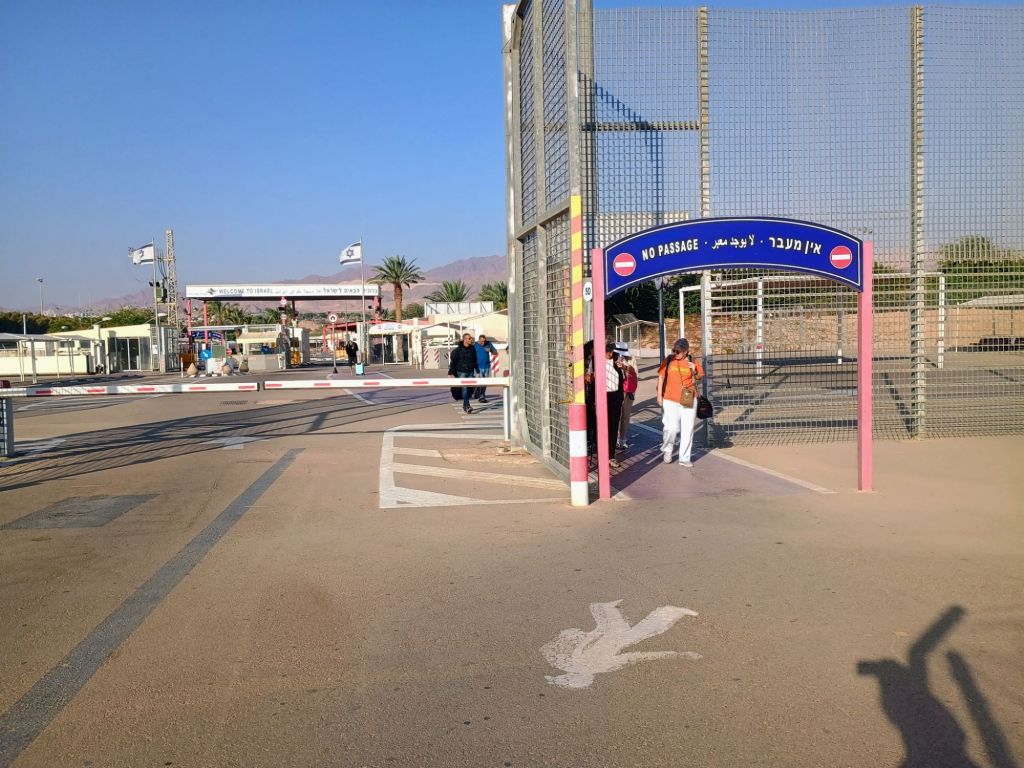
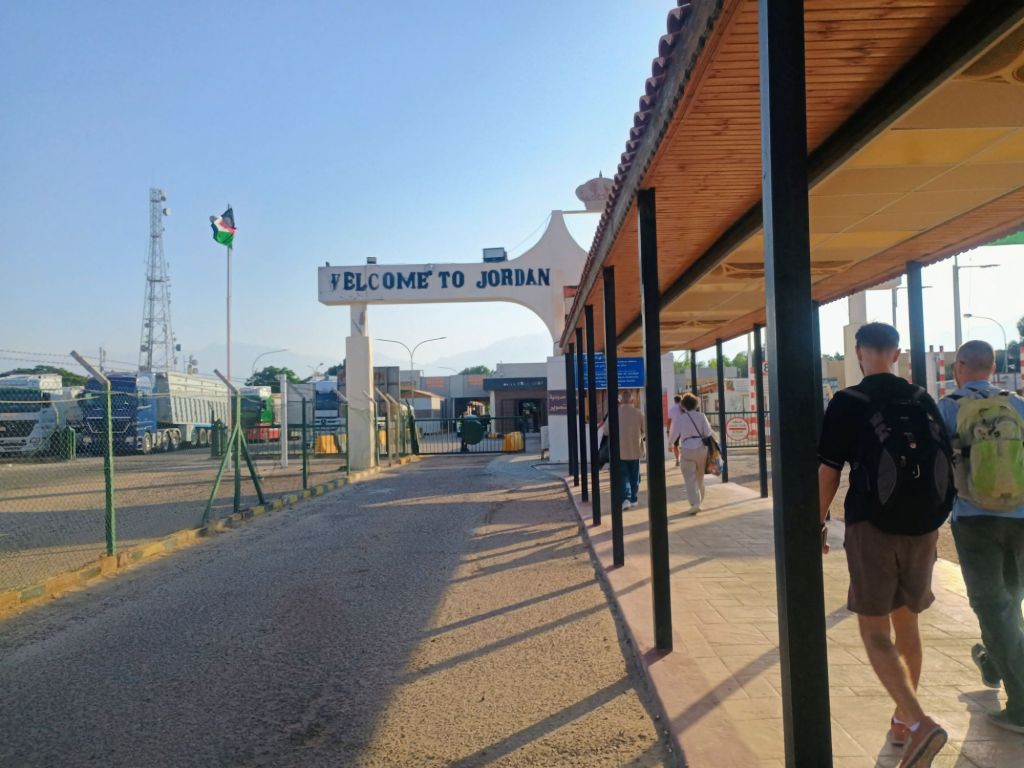
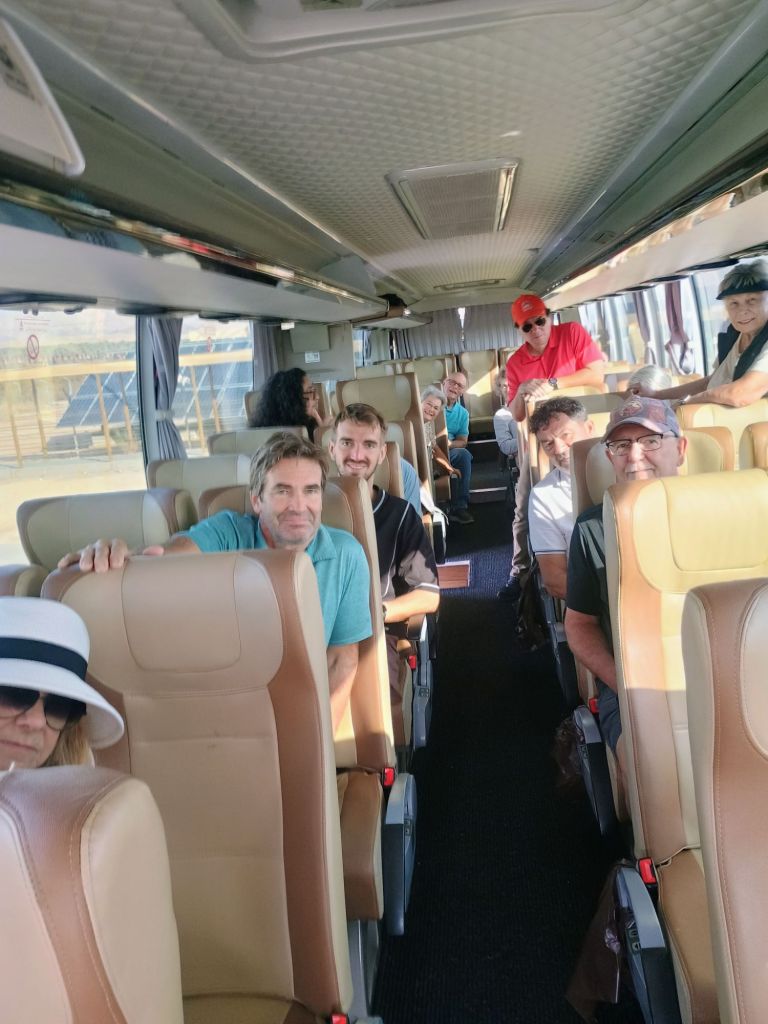
It was nice!
The journey from the border to Petra was 2.5-hours of not much to see (but lots of history about the Nabeteans)…
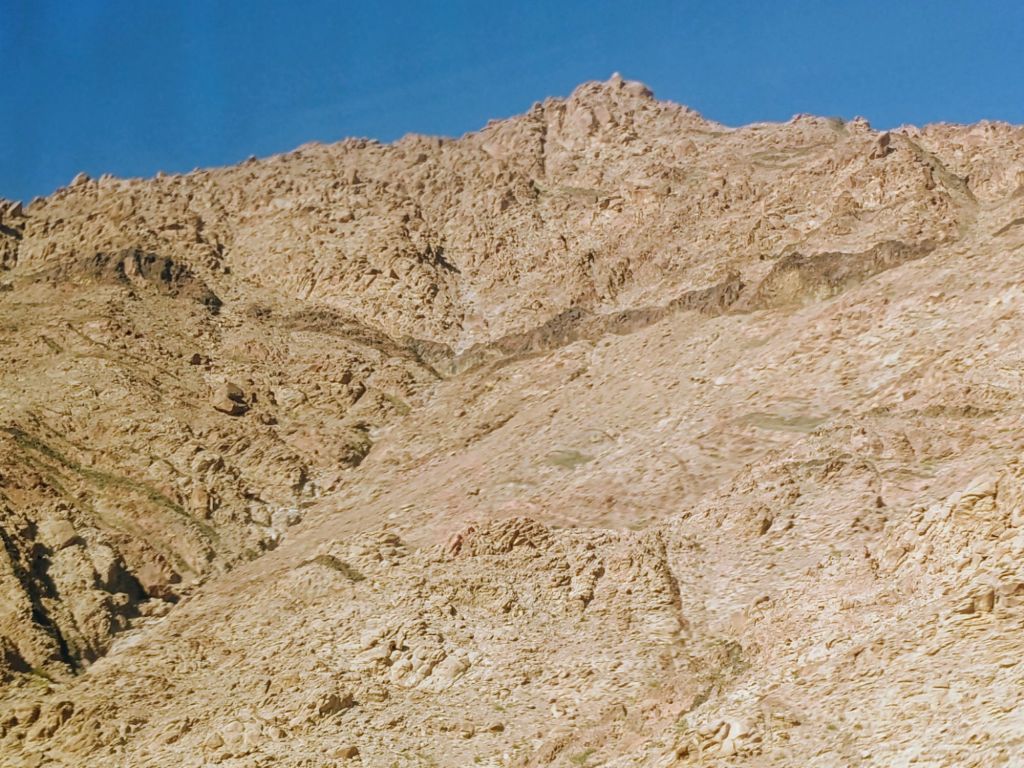
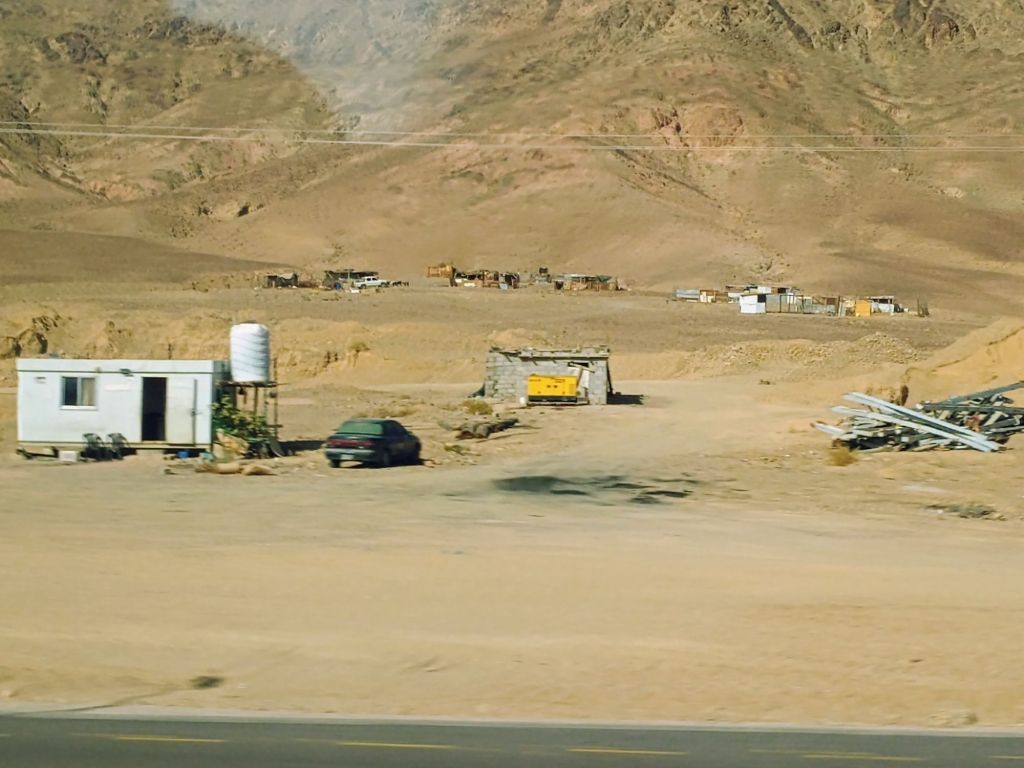
(Nomads who live as Abraham did.)
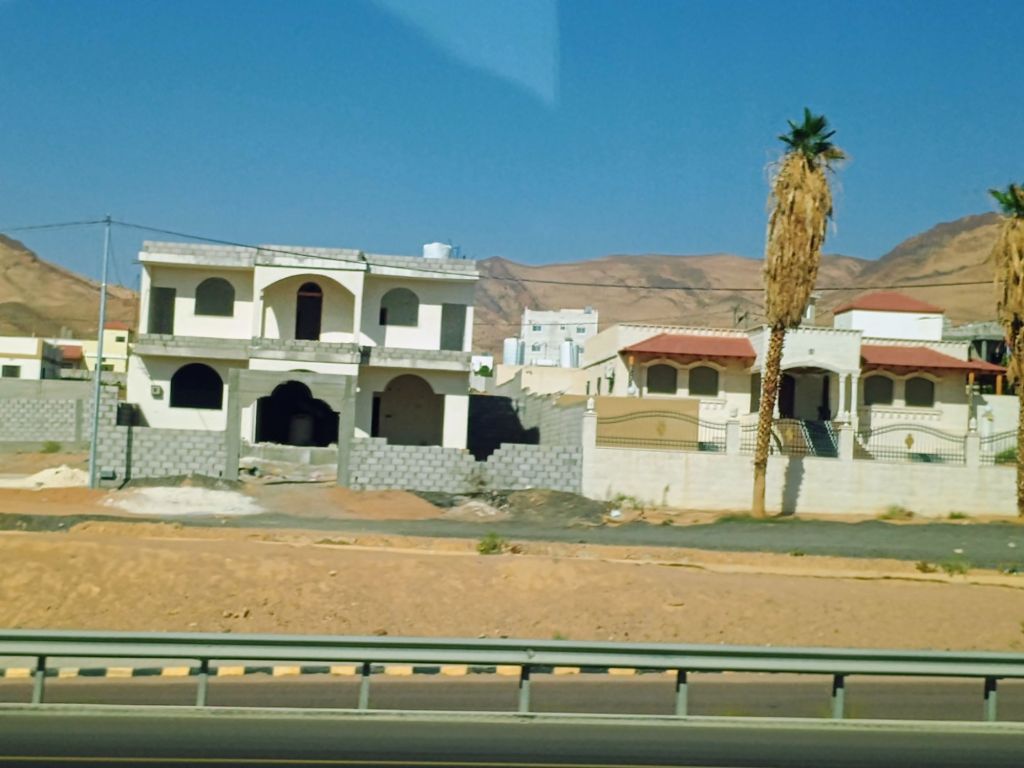
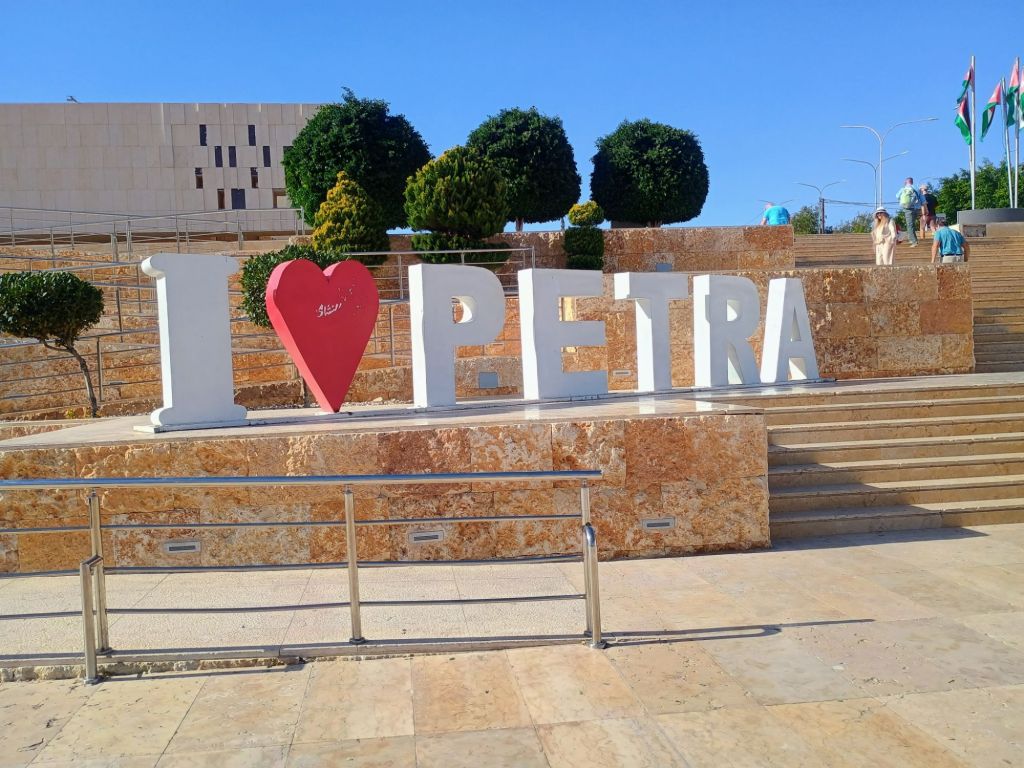
Our arrival at Petra…
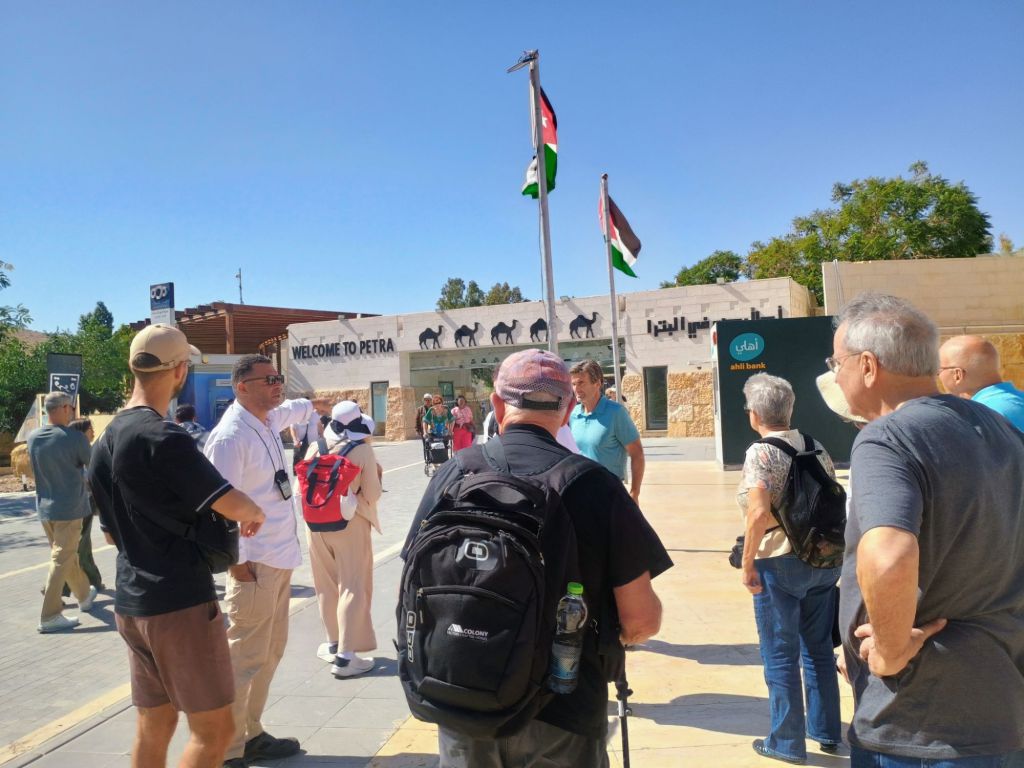
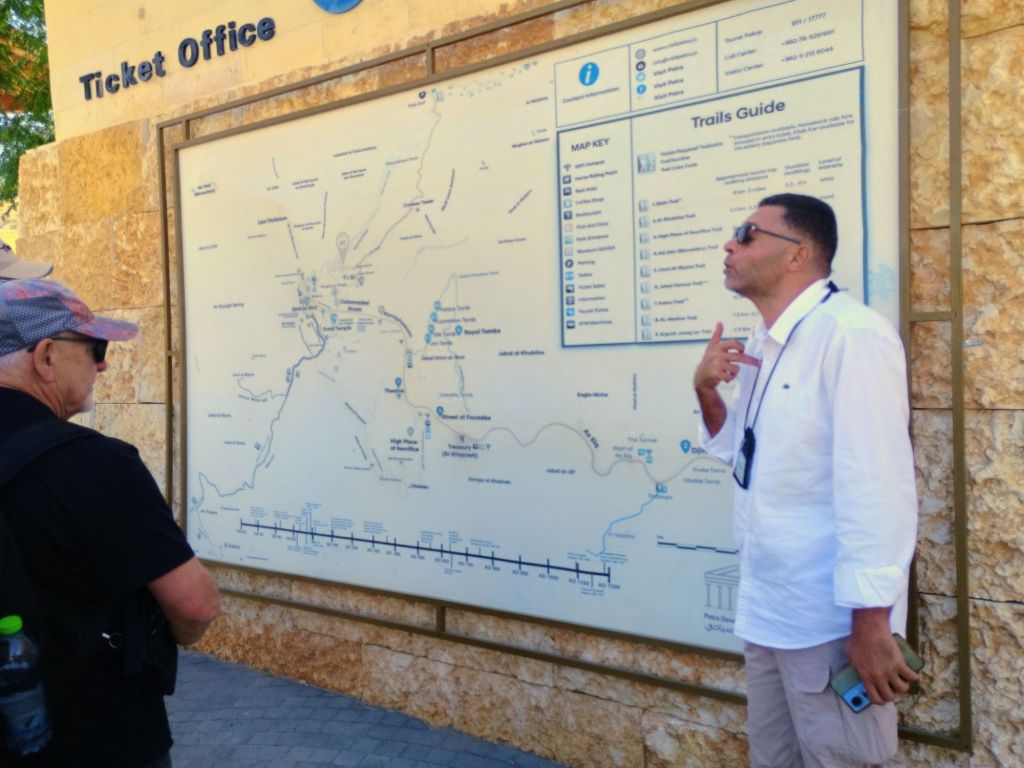
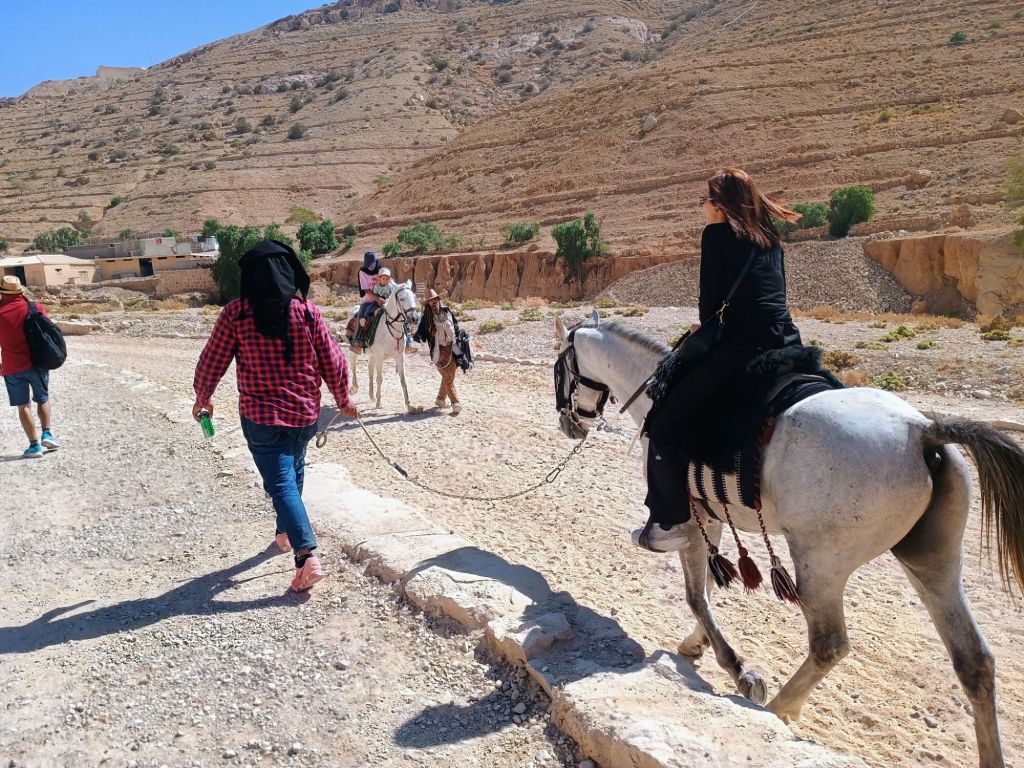
Quick story: Covid and the war in the Middle East destroyed tourism, thus vendors are very aggressive in pitching their services and wares. I had dozens of opportunities for a “free” horse ride, two invitations for drinks this evening, and a marriage proposal! Middle Eastern men go hard after the women! But in seriousness, it is clear (both in Israel and Jordan) that the disappearance of tourism has greatly impacted their ability to earn a living. Thus, when opportunities arise to help with a few bucks here and there and a few kind words of encouragement, it speaks of our love for Israel and her enemies. (Yes, there are good people in Jordan! Most simply want to provide for their families.)
On our journey through the siq, the deep, narrow canyon leading to the city of Petra, there were wide open skies and occasional buildings carved into the mountain…
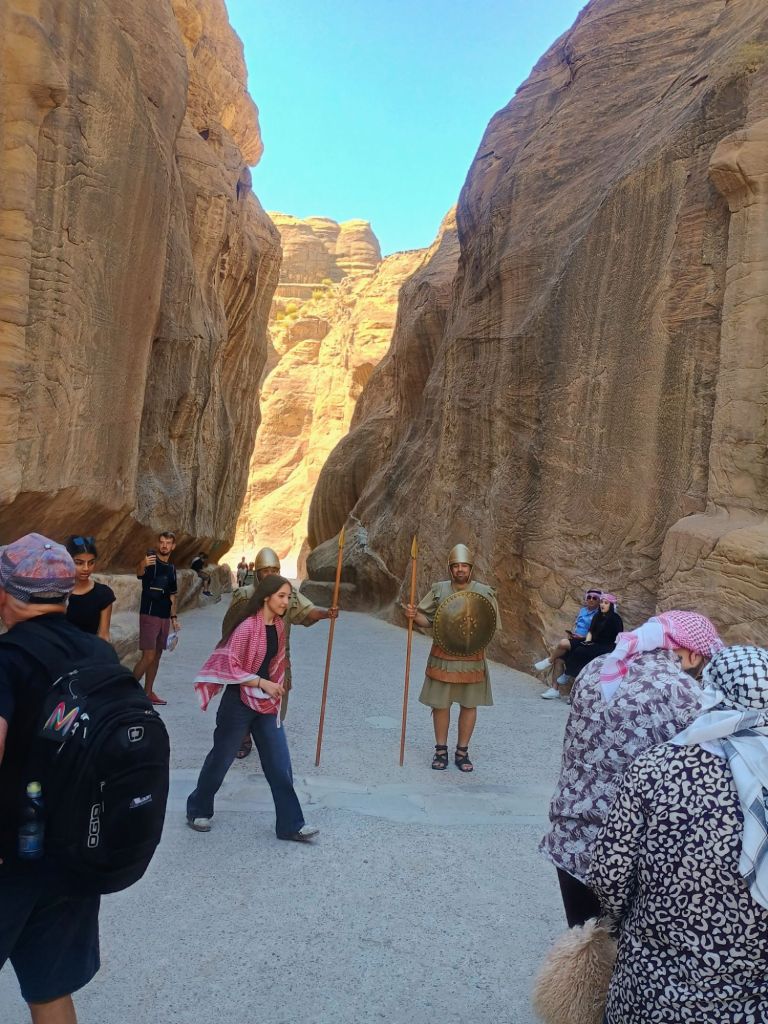
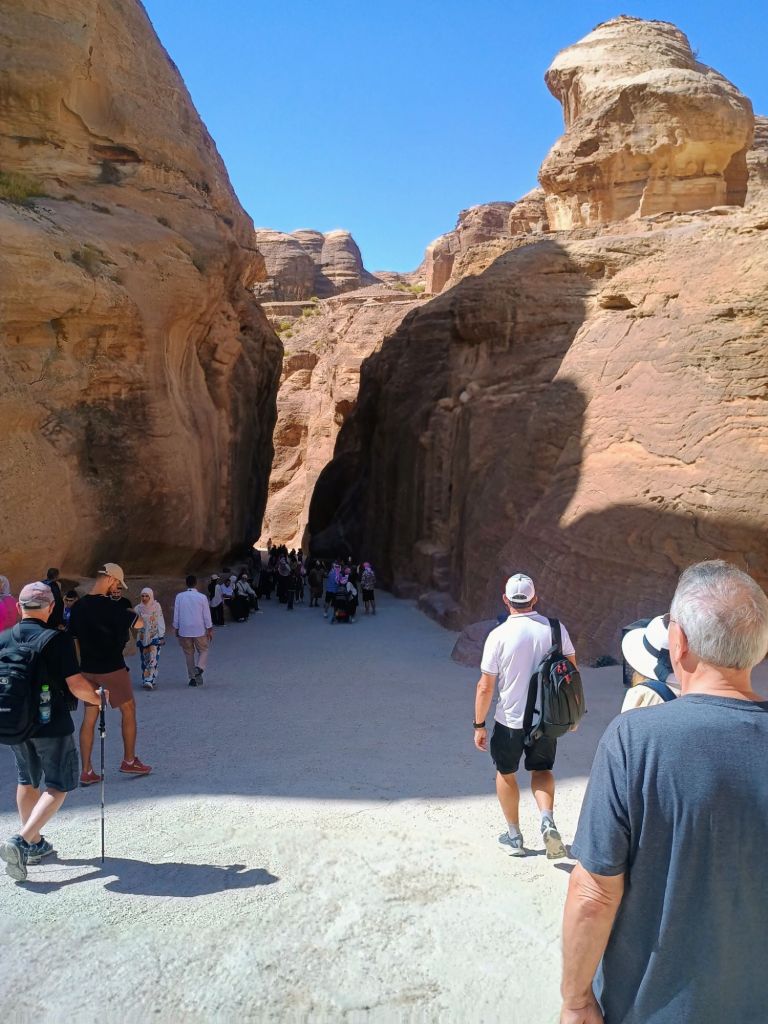
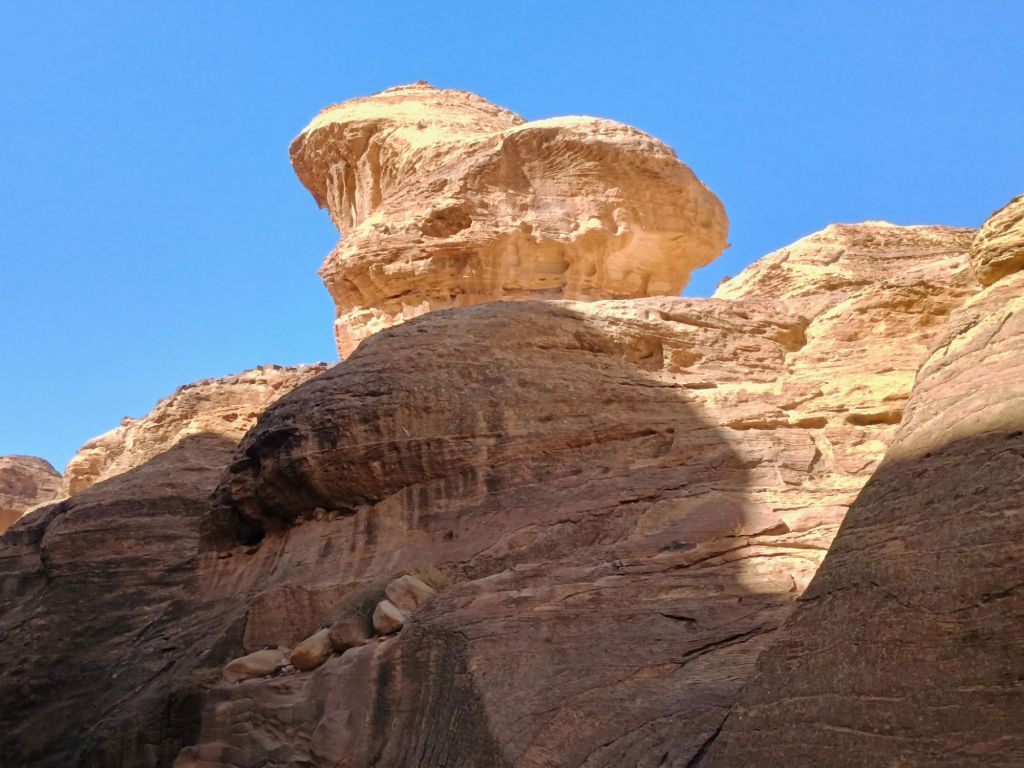
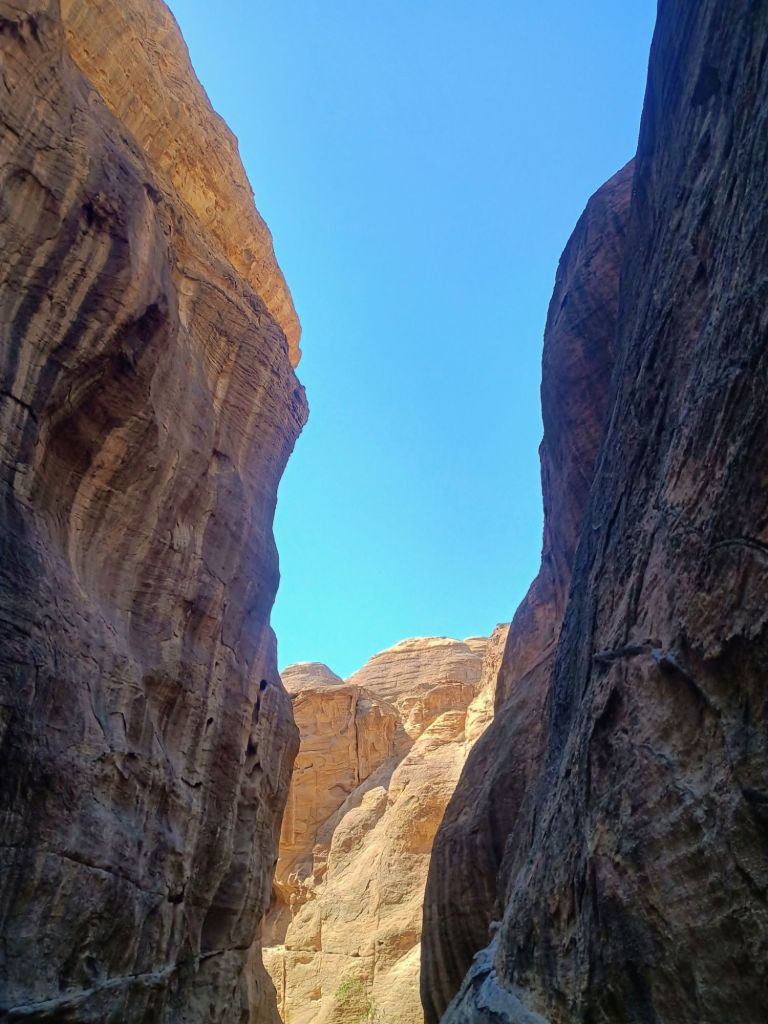
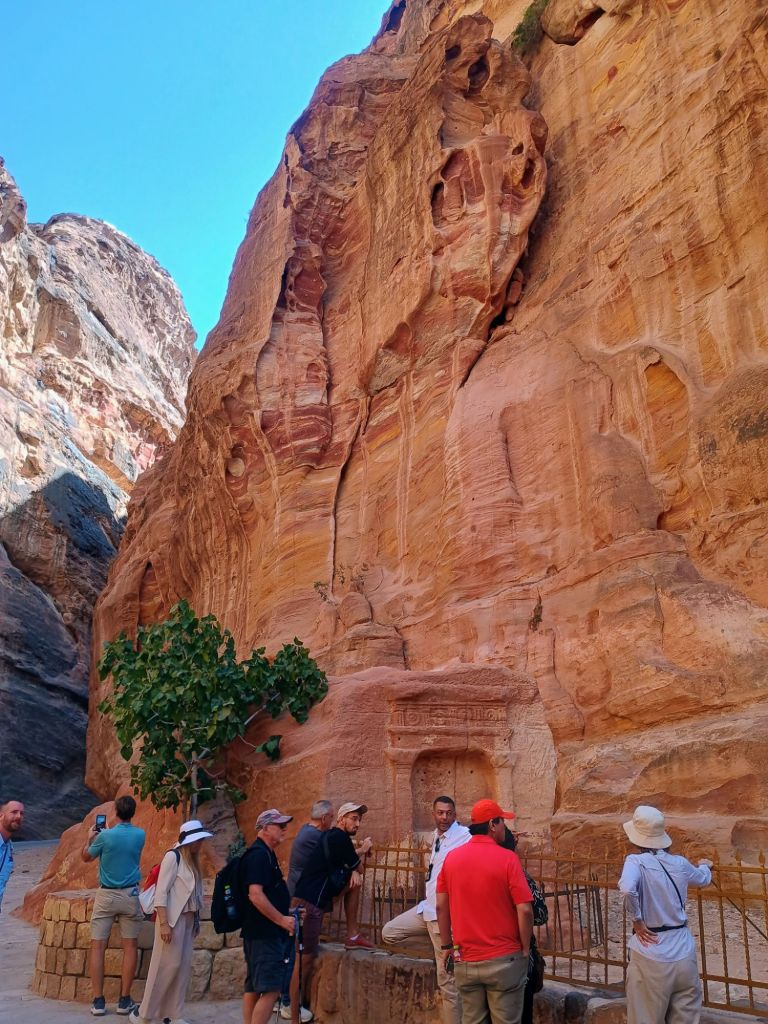
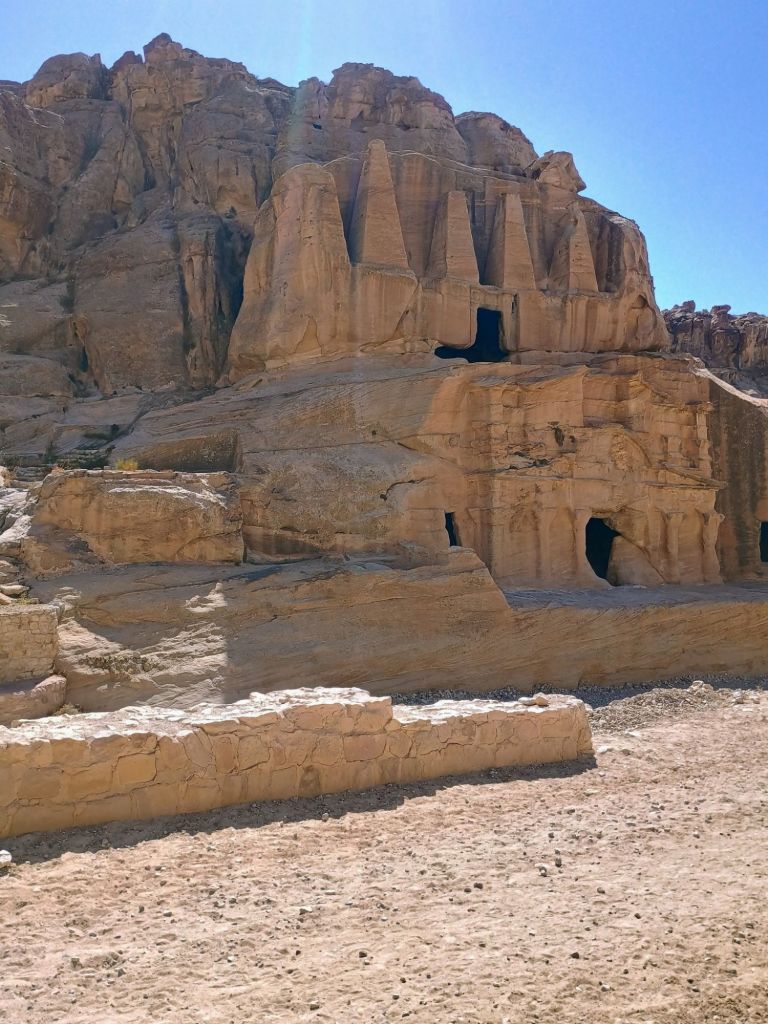
The siq narrows, and along the walls on the left, we saw troughs carved into the sandstone, allowing animals to drink and water to reach the city. This journey is all downhill into the city.
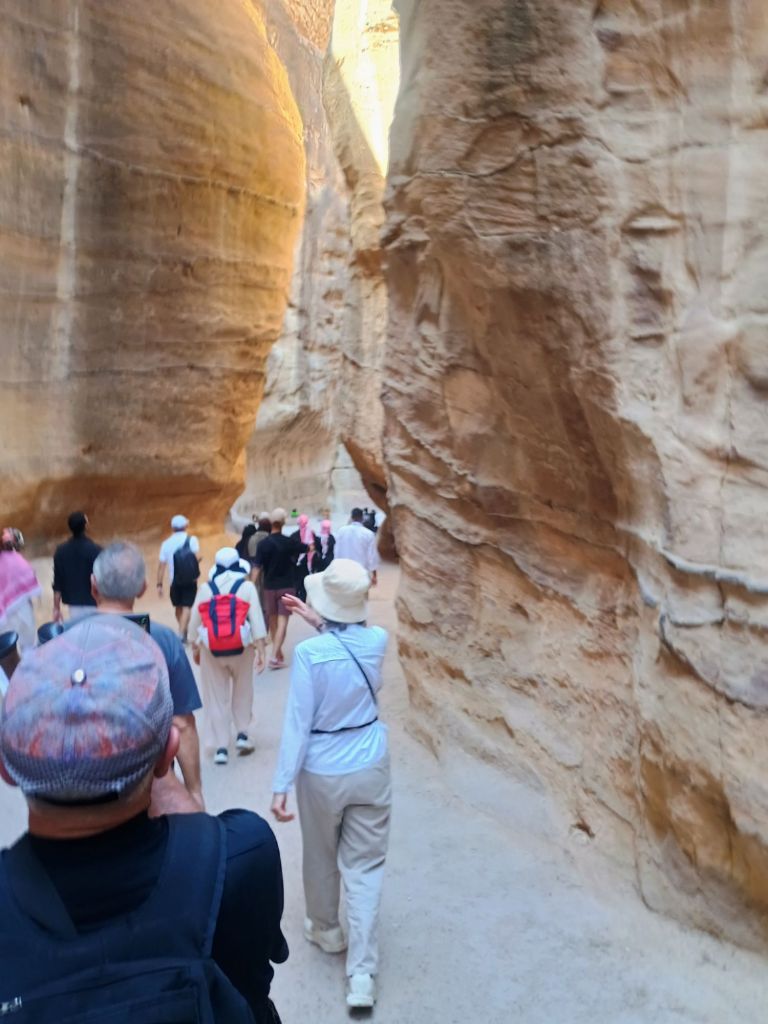
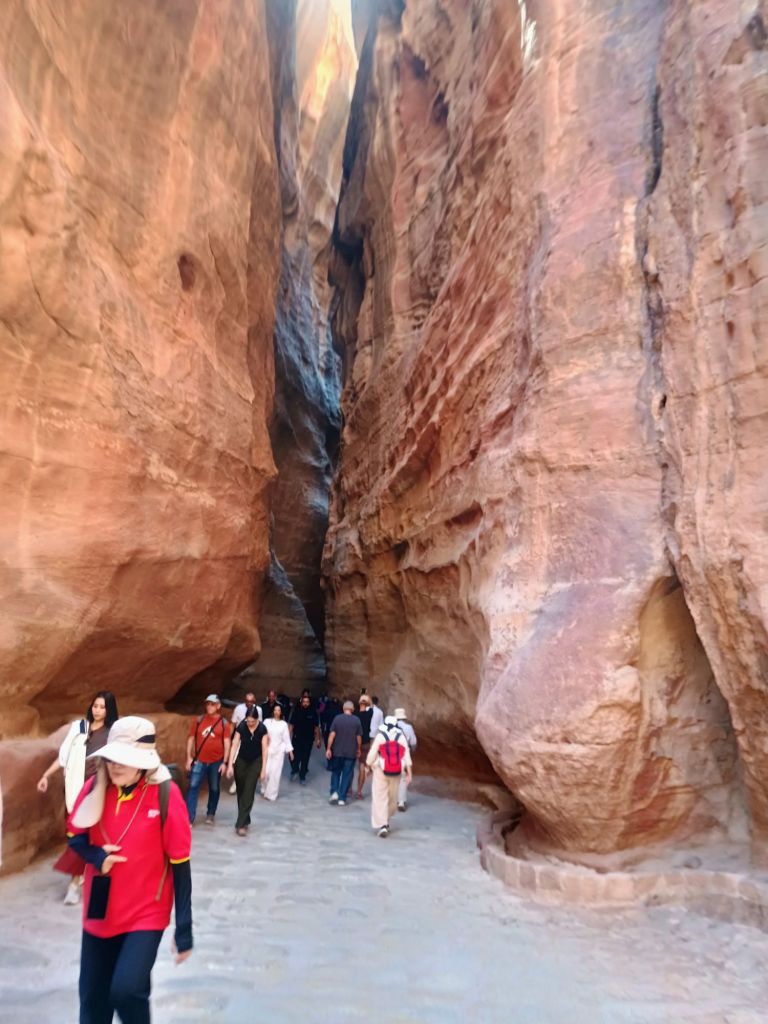
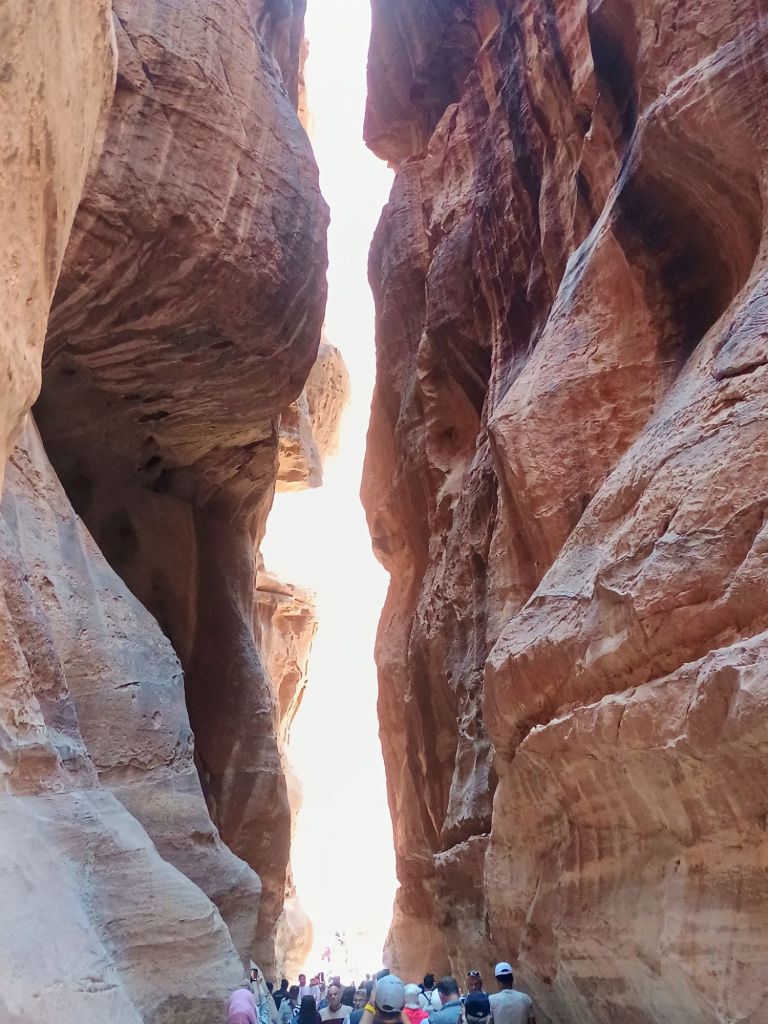
Then suddenly, we emerge from the siq to find the lost city of Petra!
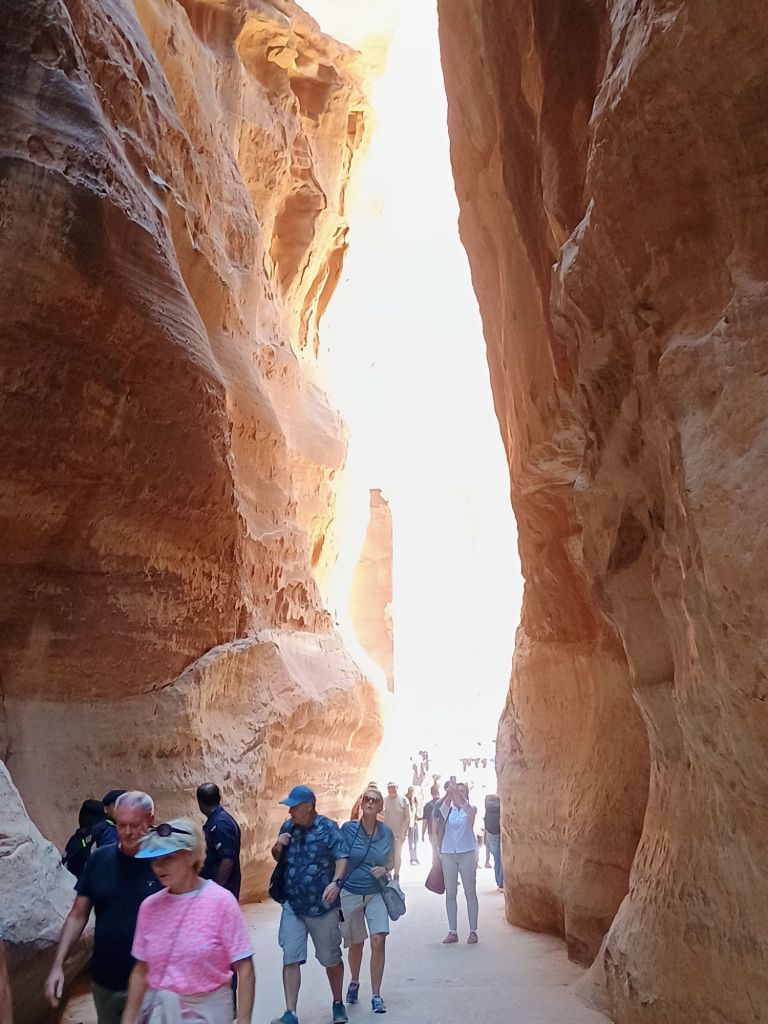
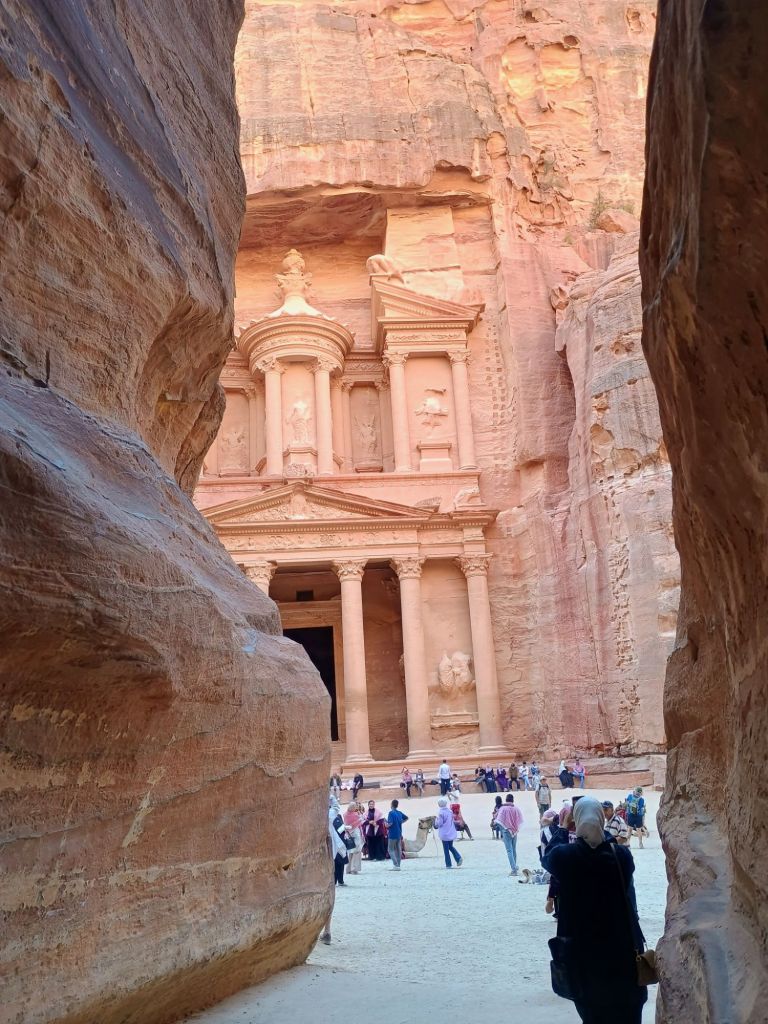
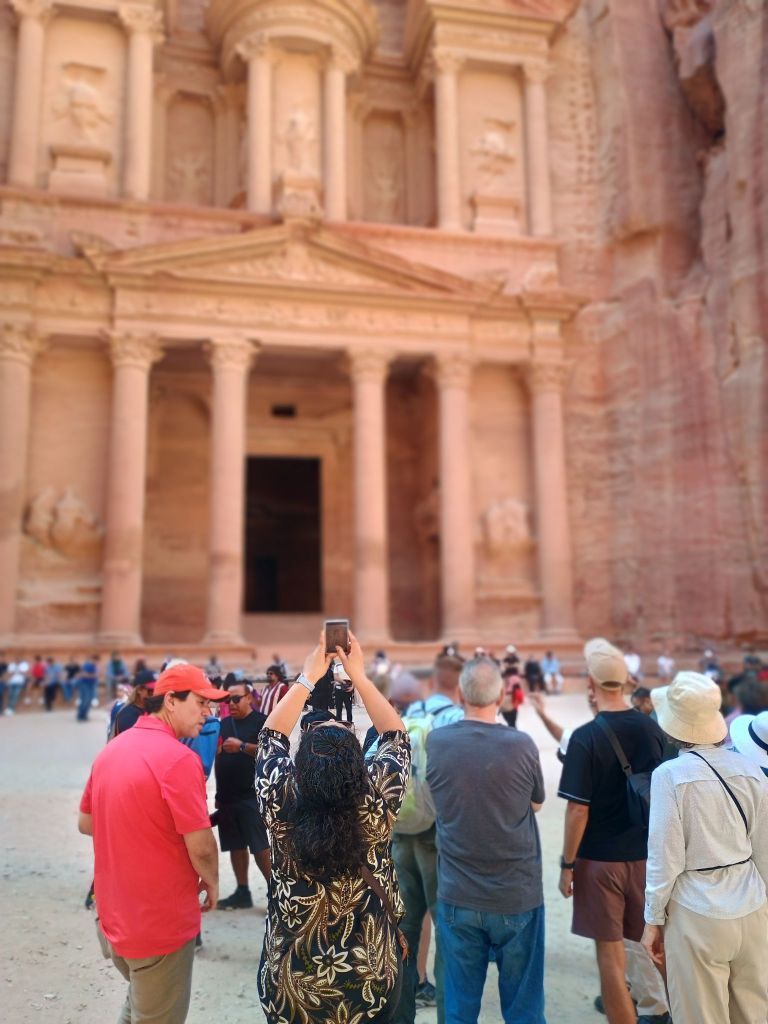
Who knows why it is called that…it is the tomb of Nabetean kings!
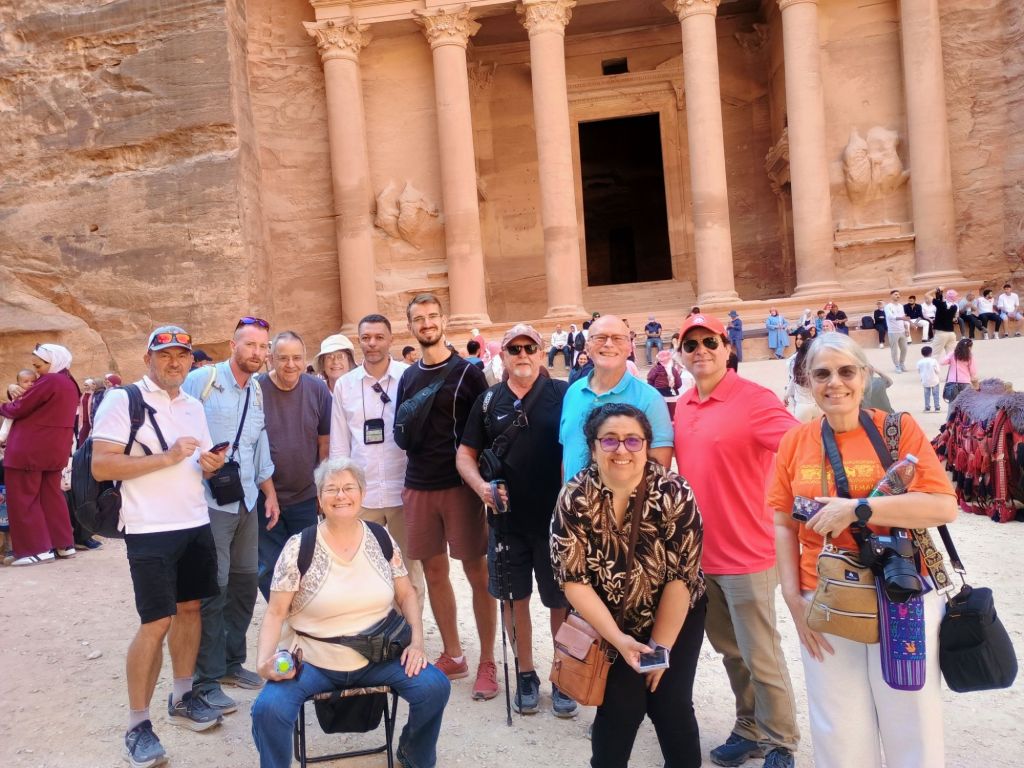
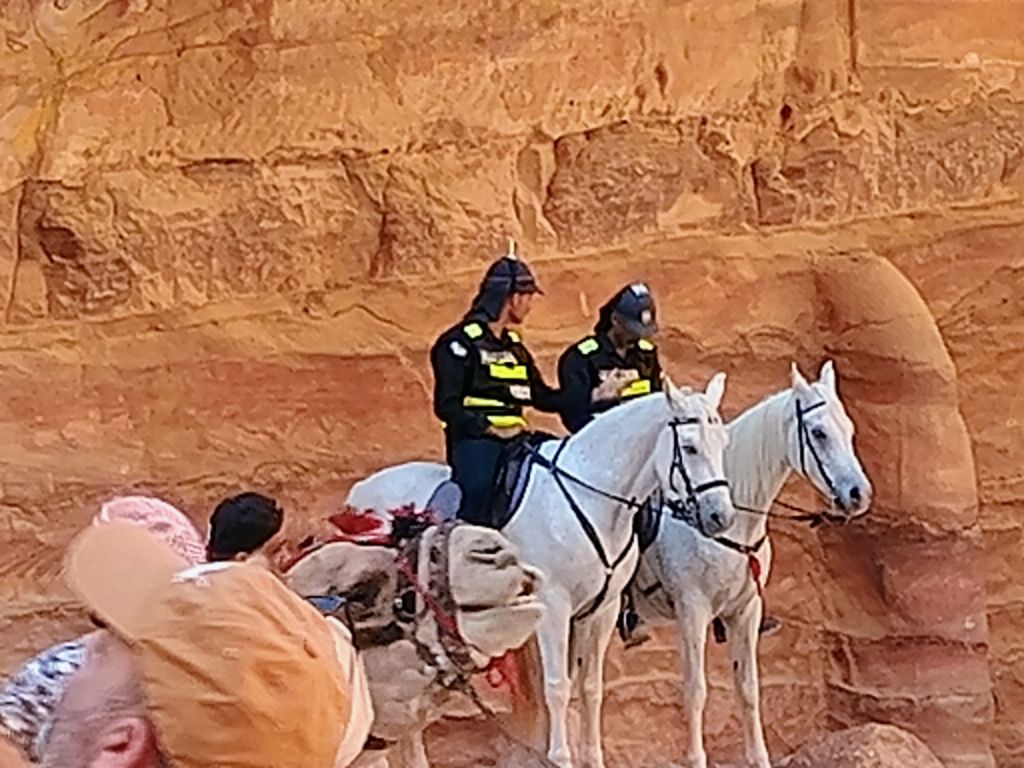
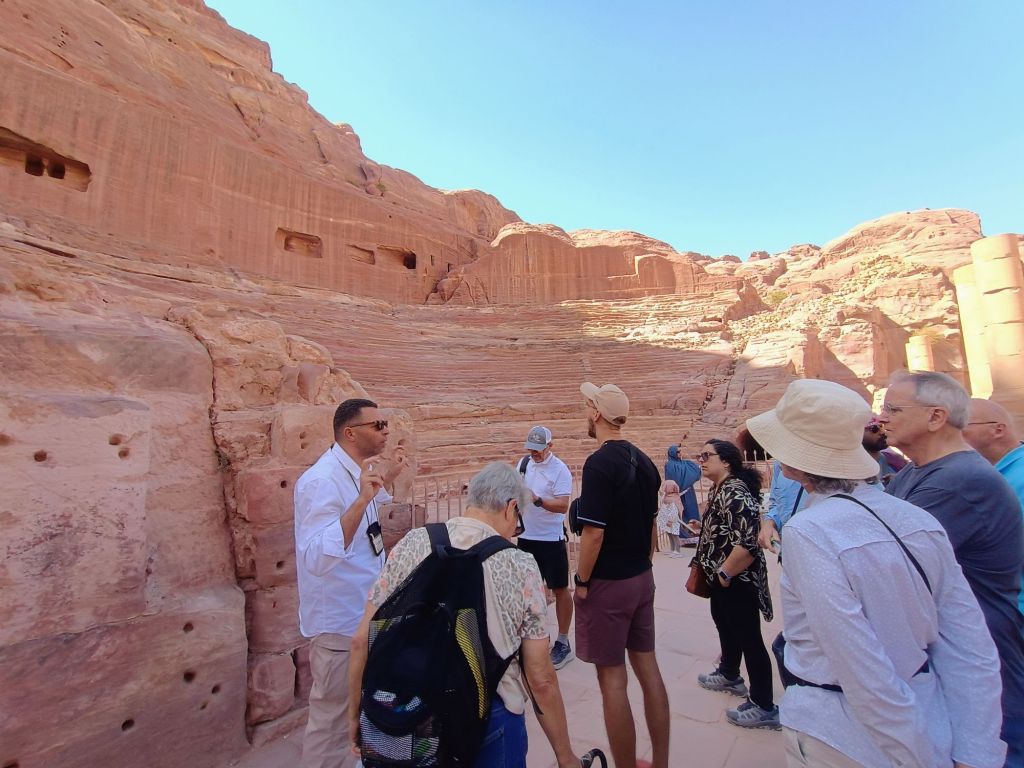
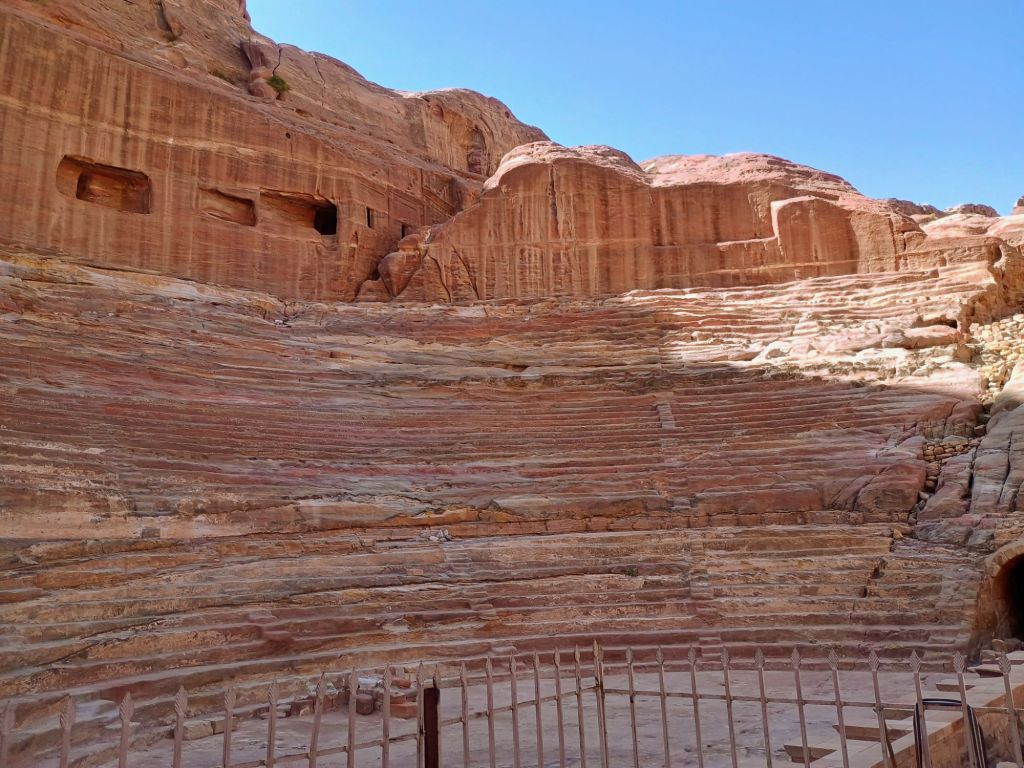
What you are seeing here only scratches the surface of all that is there. Thankfully, we have a small handful of energetic and capable guys who walked to the end of the city and provided videos below. You will see more homes carved into the walls, an altar, and the landscape that makes Petra what it is.
Ending our day at Petra…
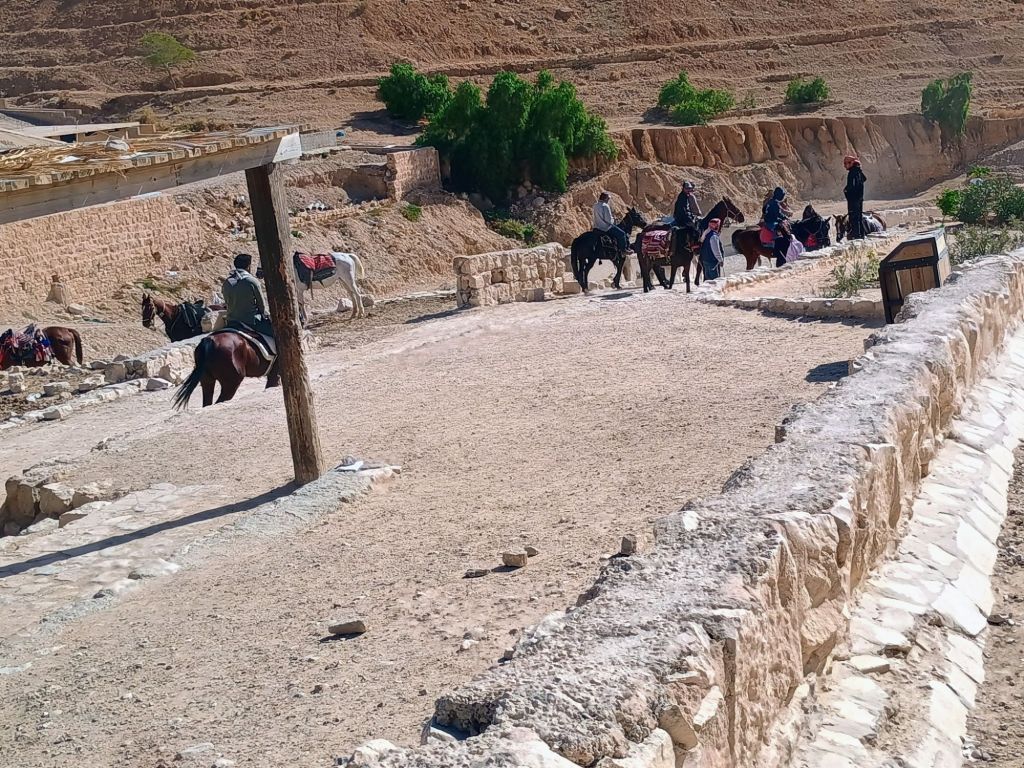
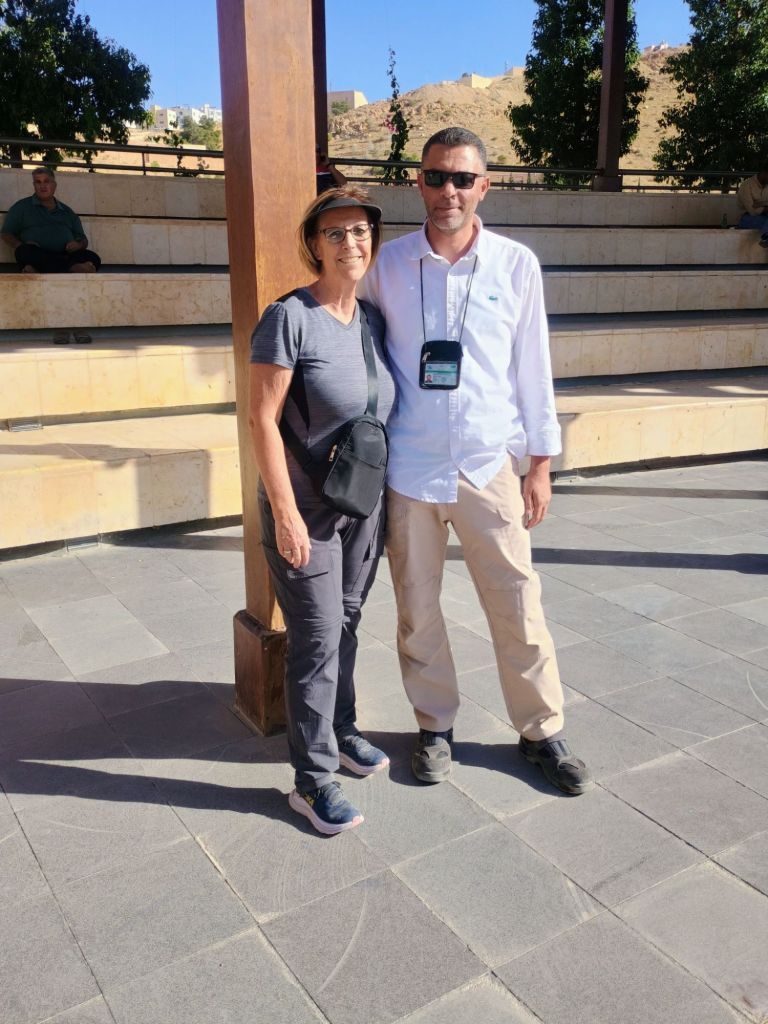
A word about our guide, bus driver, and security guard. In general, Jordanians are very hospitable. As Fadi and I conversed on our long drive to and from Petra, I learned about his wife and 5 kids…4 girls and 1 boy. He showed me pictures and his daughters are absolutely beautiful. Mohammad, our bus driver, was a friendly guy who manages his vehicle with expertise. It is never easy navigating the small winding roads, particularly in Middleastern cities. He was an expert! The young Jordanian police officer who accompanied our group was quiet and unassuming. He trodded the entire way into Petra with us and never uttered a complaint or a sigh. His kind smile said, “Hello, you are welcome here,” though he spoke not a word of English. These three men served us well and we blessed them with gifts (tips) in the name of Jesus. They were grateful.
A trip to Petra requires an investment of time, as it is a long distance to the southern tip of Israel, and another long distance to get to Petra. But the consensus was that it was worth it! Everyone enjoyed the journey and there was great excitement on the bus ride back to the border. Speaking of which…
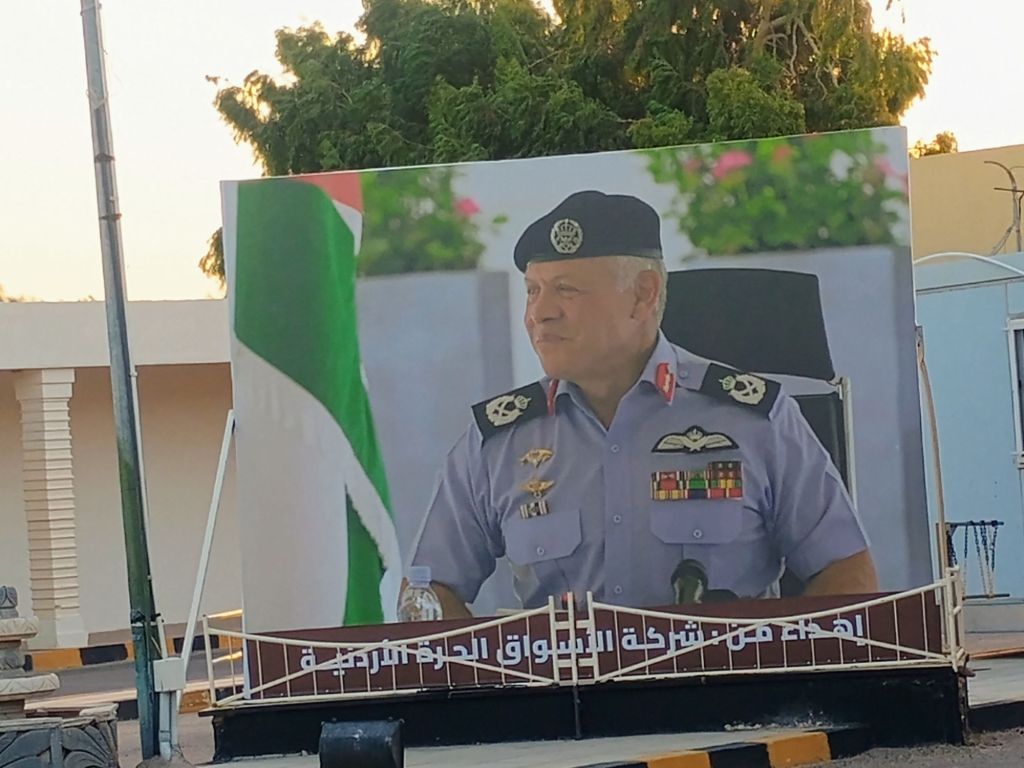
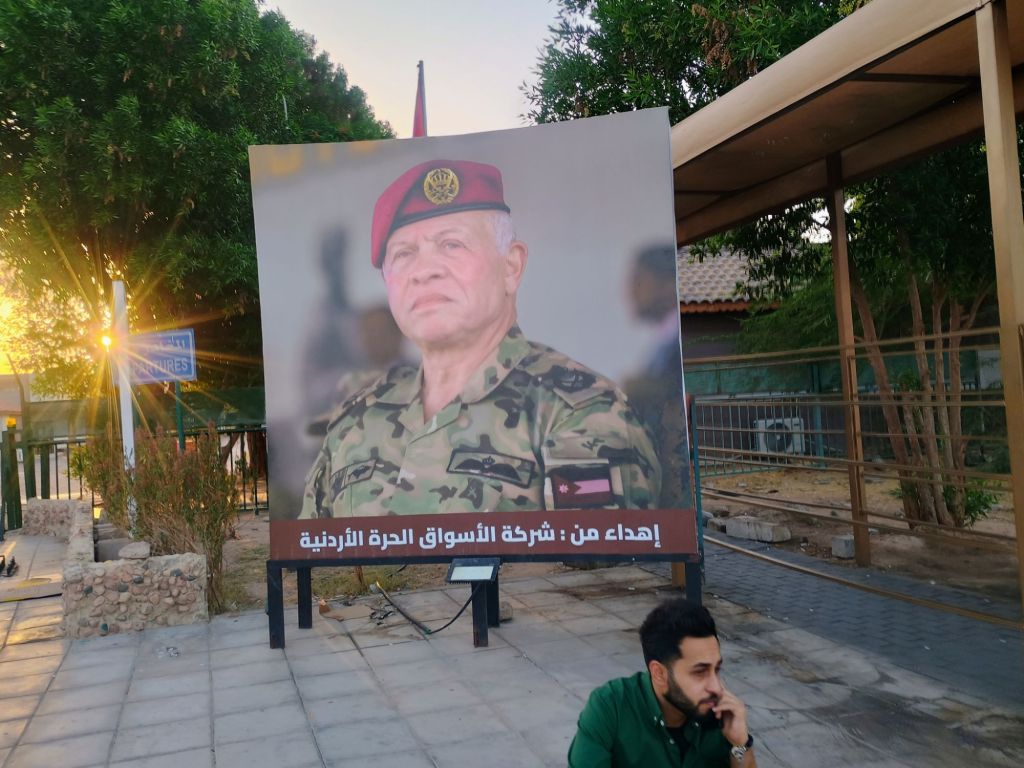
As much as we enjoyed our guide in Jordan, it is always good to get back on Israeli soil. There is a palatable sense of relief when we pass through the final checkpoint (after another 6 reviews of our passports)! Jordan is definitely a monarchy, as pictures of King Abdullah appear all over the place! There at the border crossing we saw these…
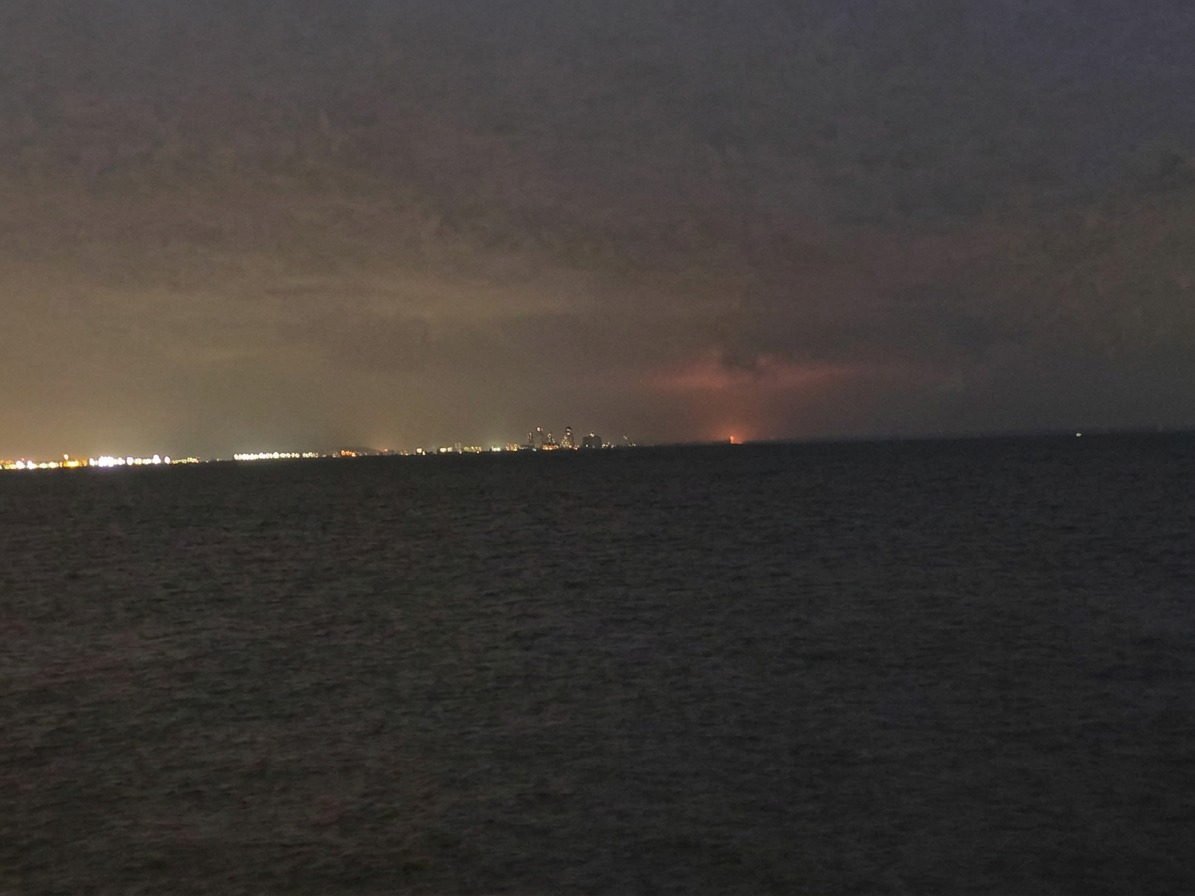
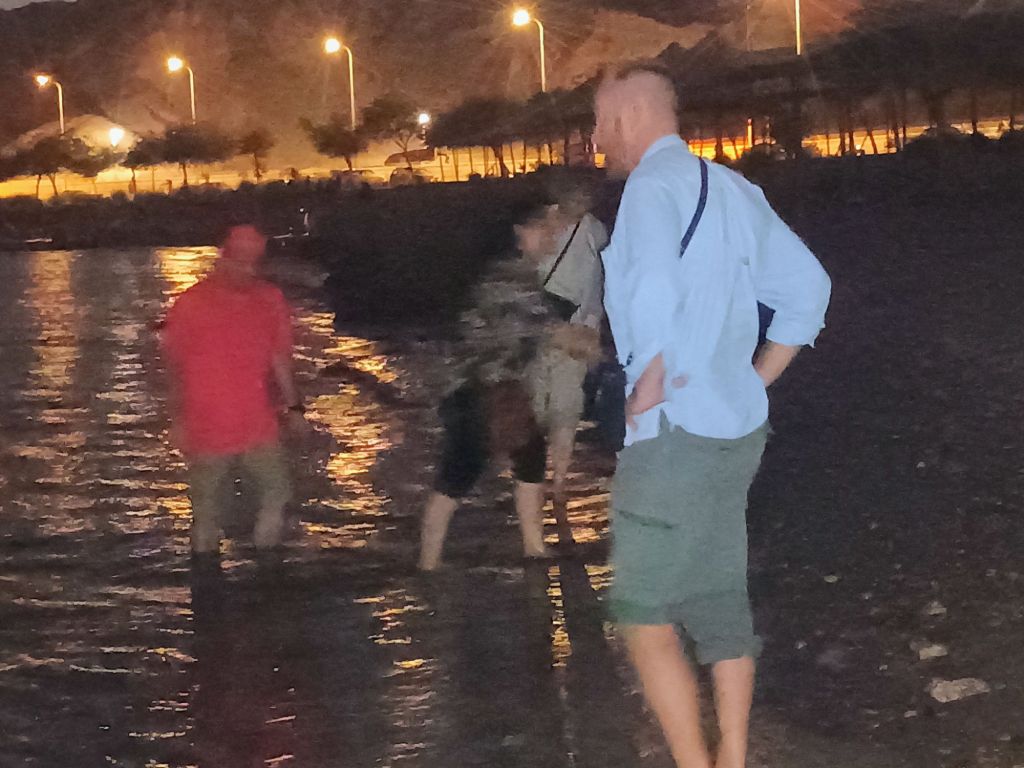
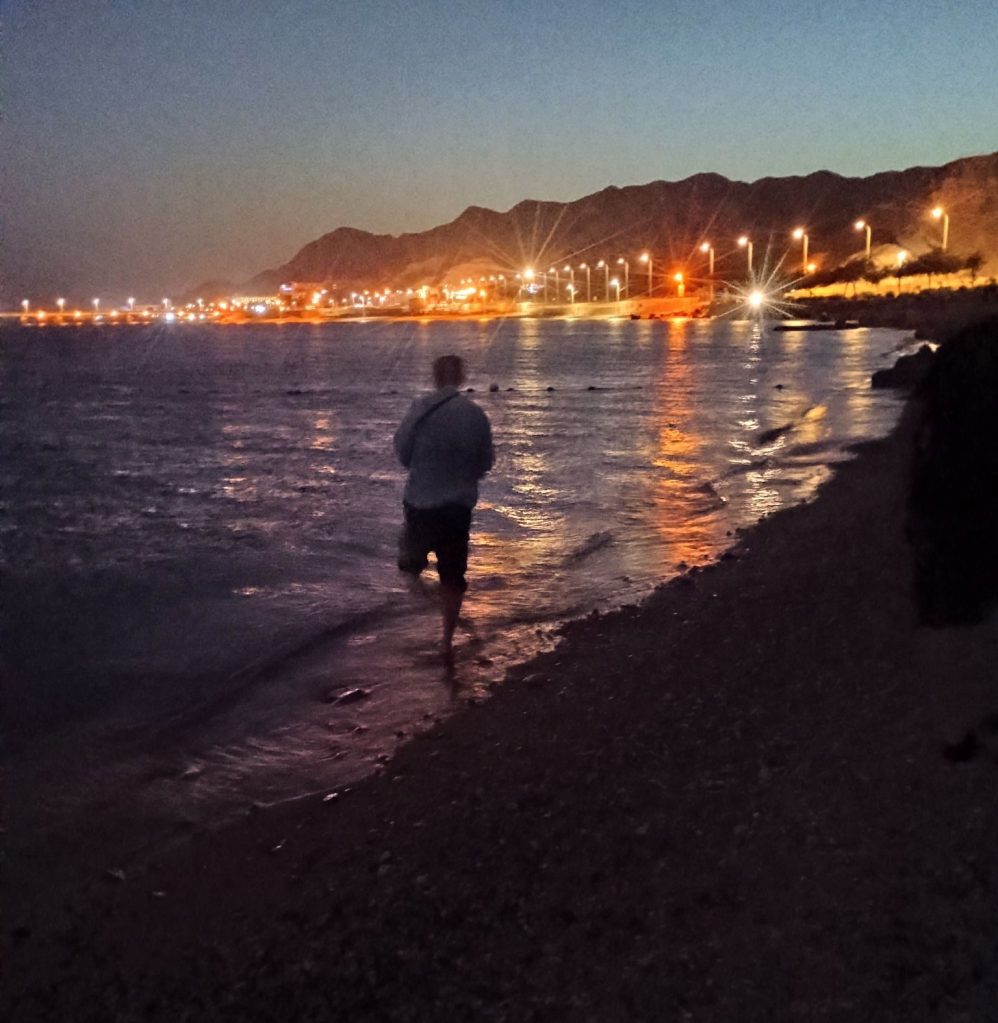
We leave Eilat tomorrow, so it meant one important order of business before we returned to the hotel: dipping our toes in the Red Sea! So we did!
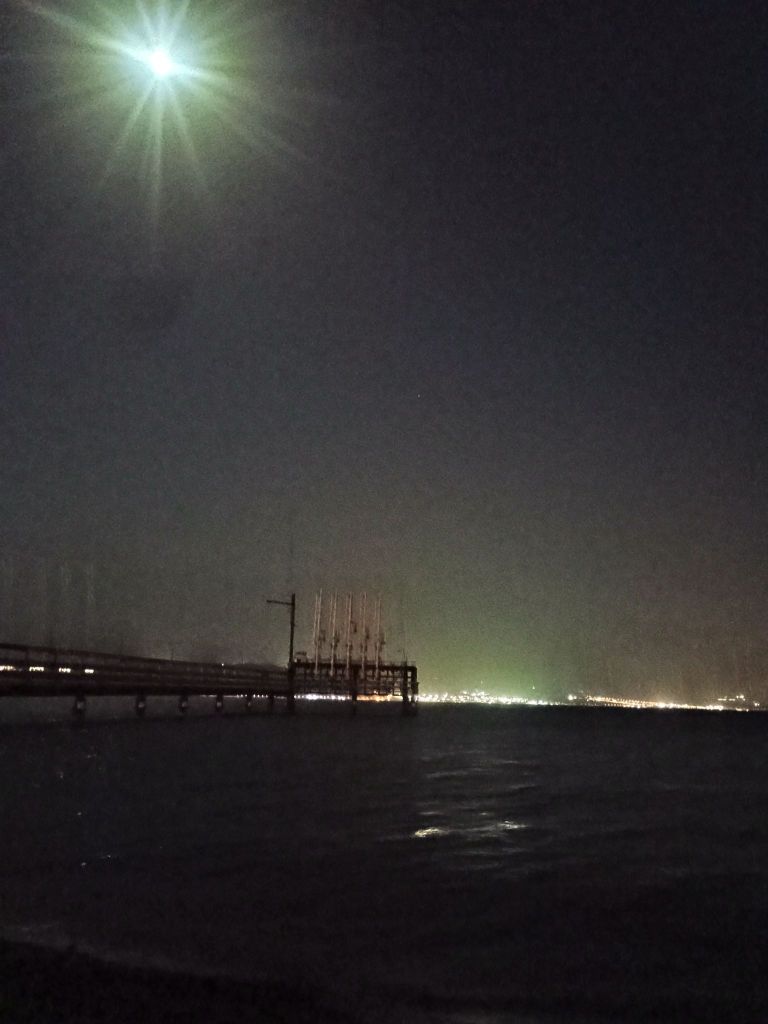
Aqaba Jordan in the background
It was a good day and tomorrow promises new sites and adventures as well. Every site tomorrow is a new one for almost all of us. We’ll make our way back north toward Jerusalem, with stops at Timna (to see a life-size replica of the tabernacle), the Biblical city of Be’er Sheva, and the important archaeological site of Lachish (one of the last Israelite cities to fall just before the Assyrian conquest and exile in 701 BC. Stick with us tomorrow for some wonderful Old Testament history!

