We woke to another cloudy sky and significant chance of rain, yet other than very rare mists, we hadd no rain today! We were grateful for that, while also conscience that Israel needs the rain. Currently, there is no more rain in the forecast for the remainder of our time here. Yet, if it does, we’ll rejoice anyway!
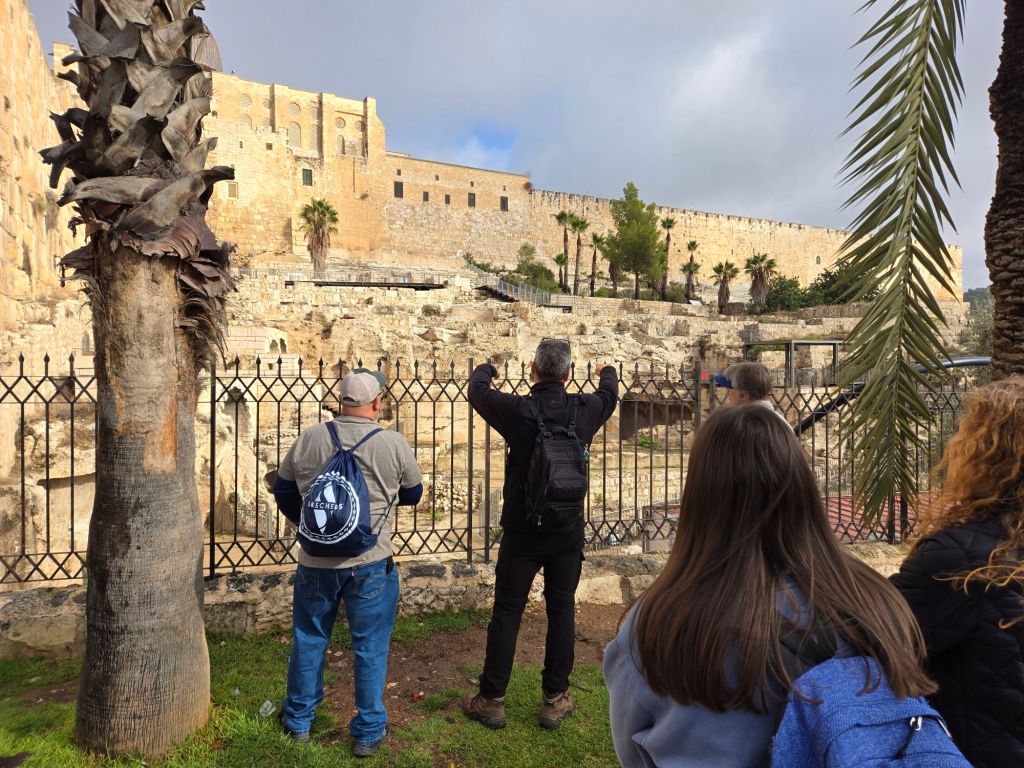
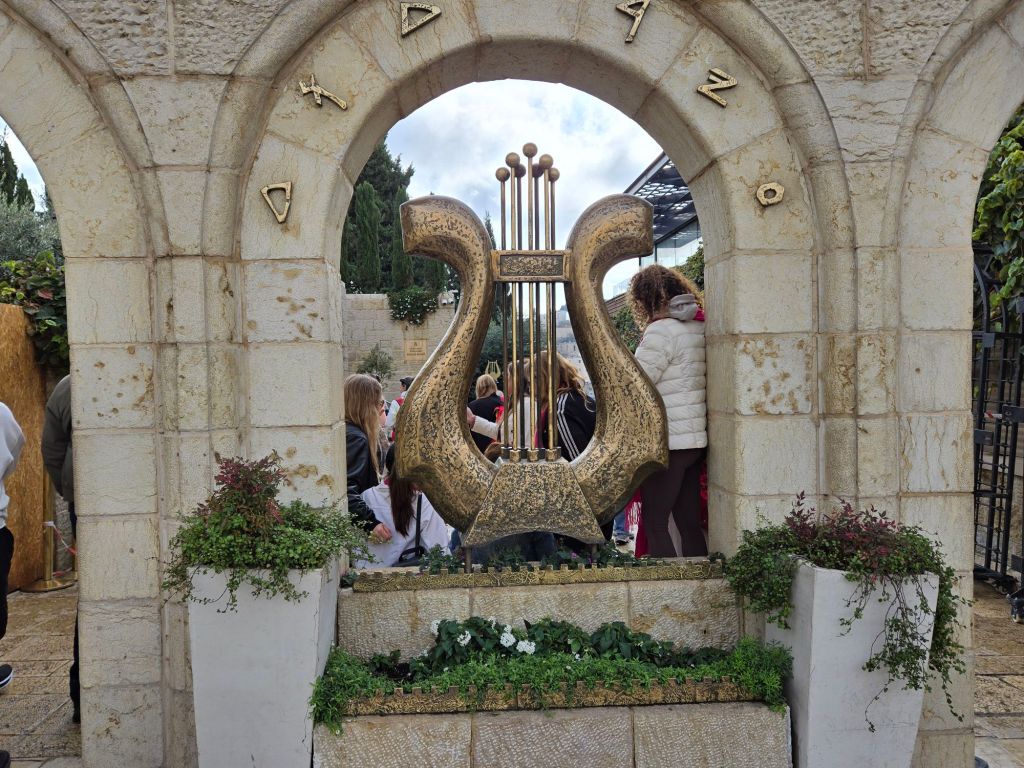
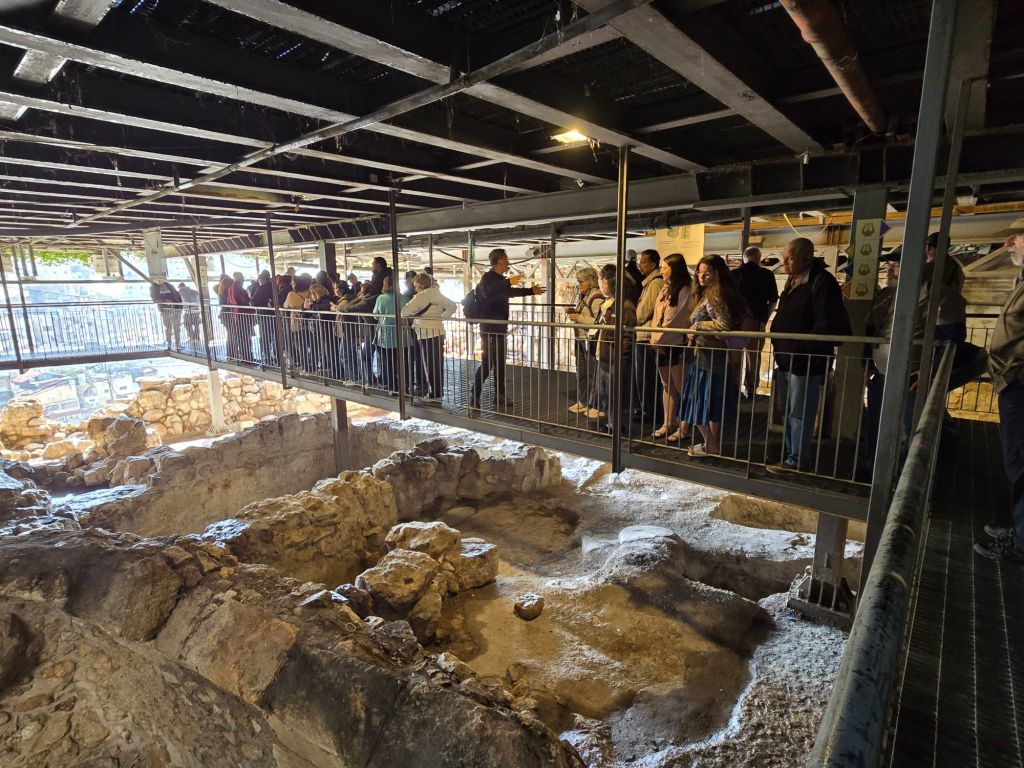
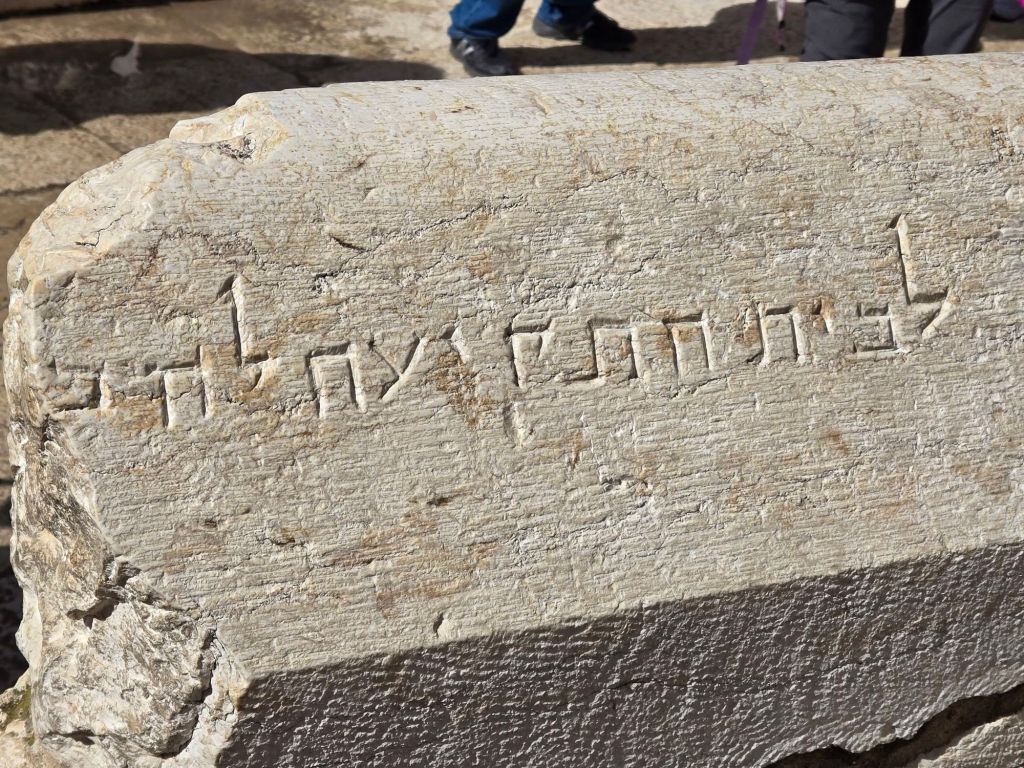
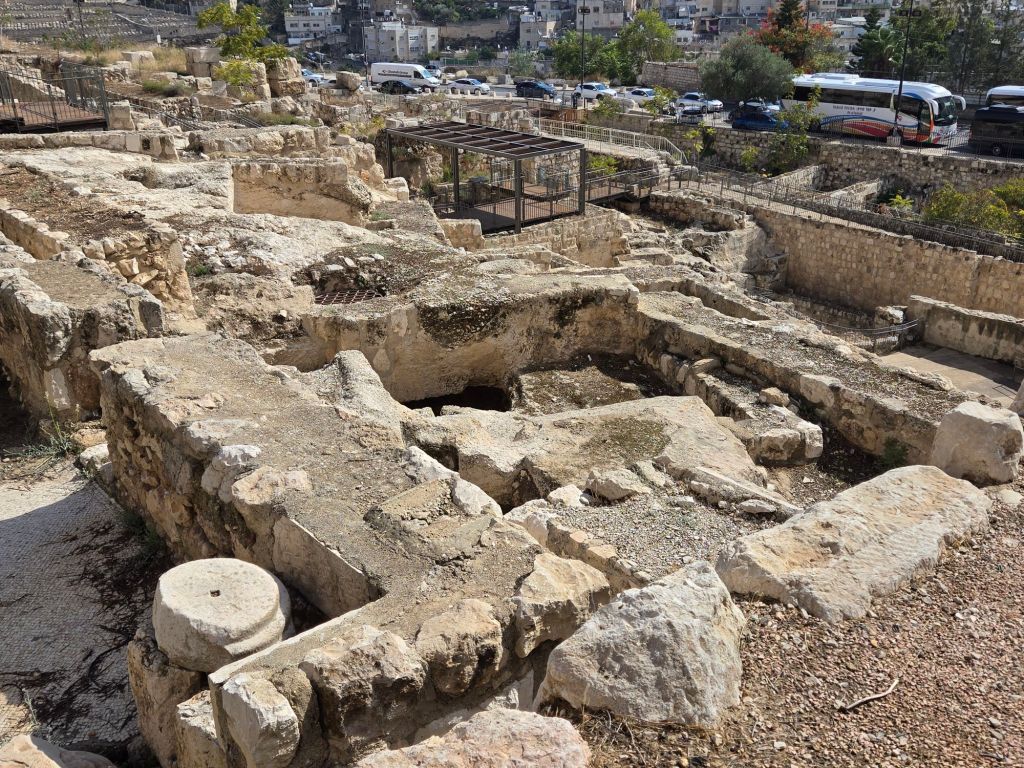
Today was a very strenuous day. We got off the bus about 8:20 and didn’t get on again until well after 5:00pm (and over 15,000 steps). Today’s journey began at the City of David. Much has been excavated here over the past 5 years and there is always something new to see! The City of David sits down the southern slope from Temple Mount, and was the city of Jerusalem in King David’s day. Remnants of his palace, the water system, the Pool of Siloam and Pilgrim’s Road are all unearthed now.
(Click on pictures to get full size.)
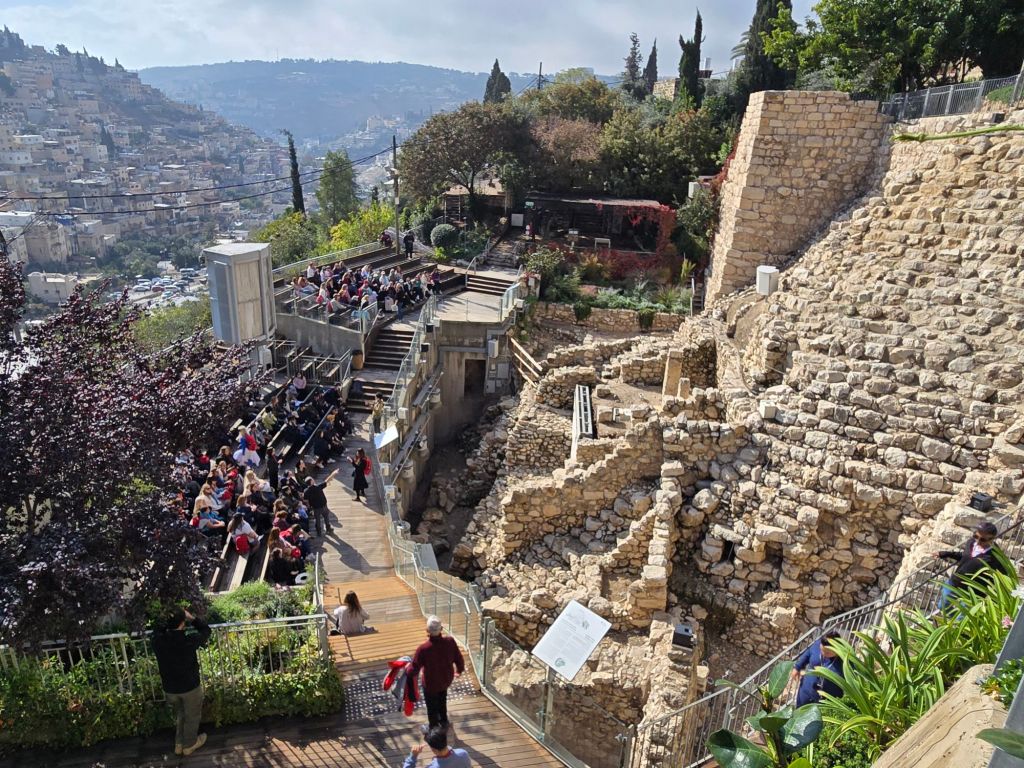
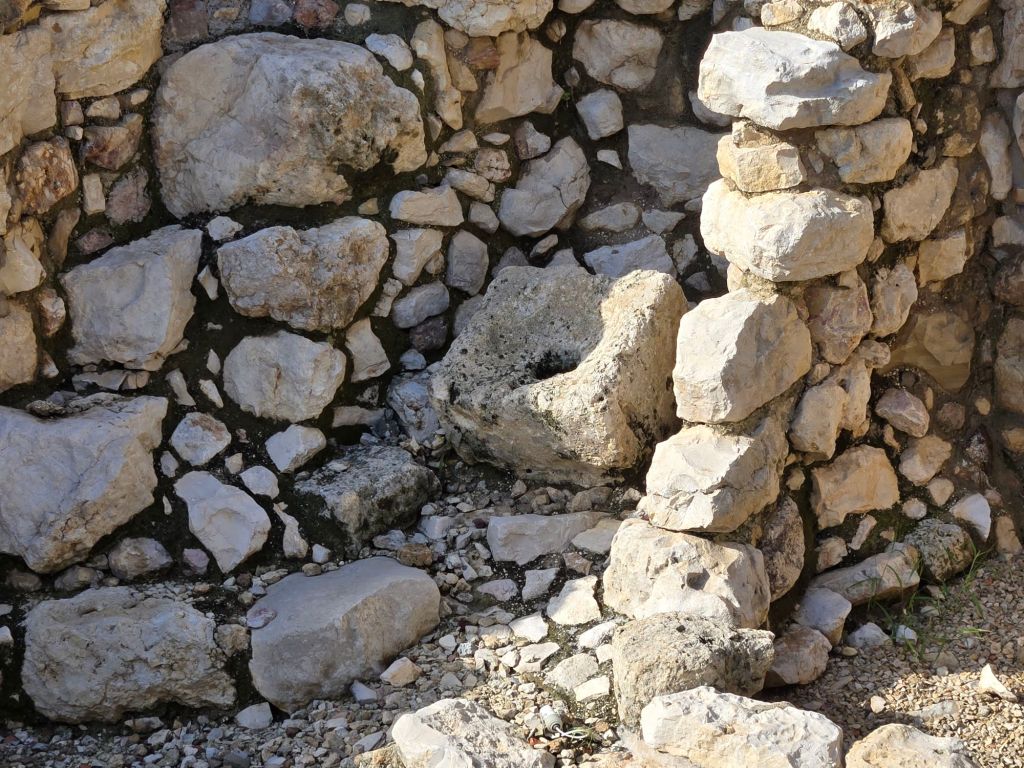
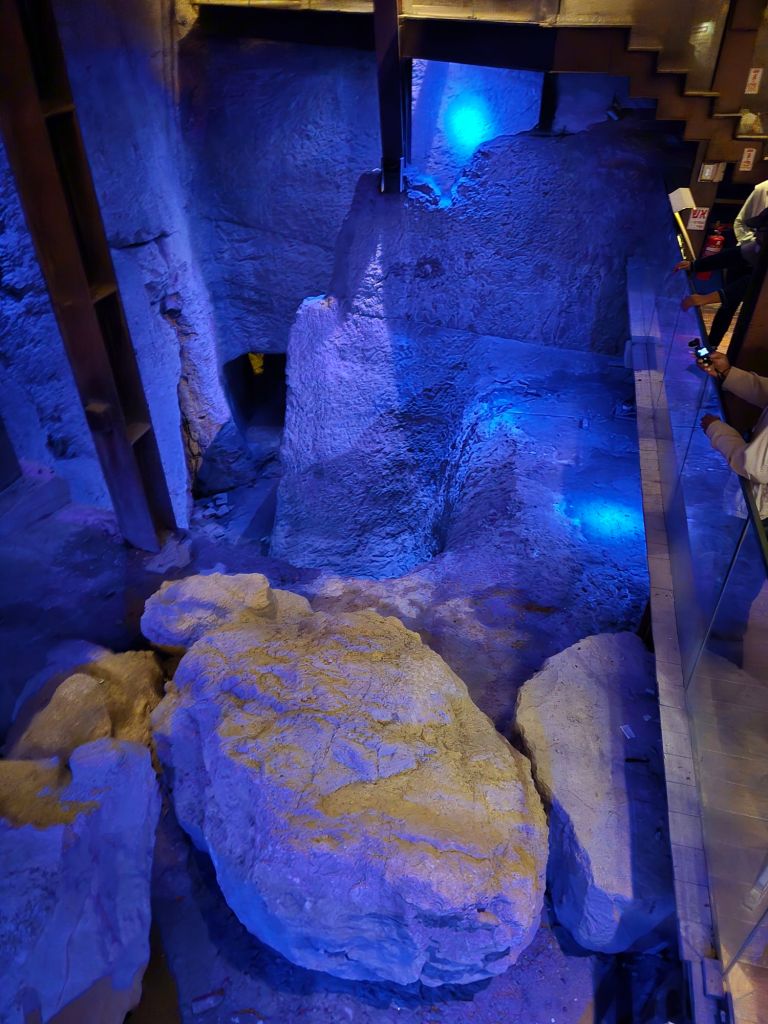
I took three adventurous souls (all women!) to Hezekiah’s tunnel. This is an amazing water tunnel discovered in 1838, but dug in the late 8th or early 7th century BC. It was dug to bring water from outside the walls of the city. Amazingly, crews back then began digging from both directions and managed to successfully connect the winding tunnel. How did they do that!?! Today, tourists can walk through the very narrow tunnel, slogging through knee-high water. It is truly a unique experience!
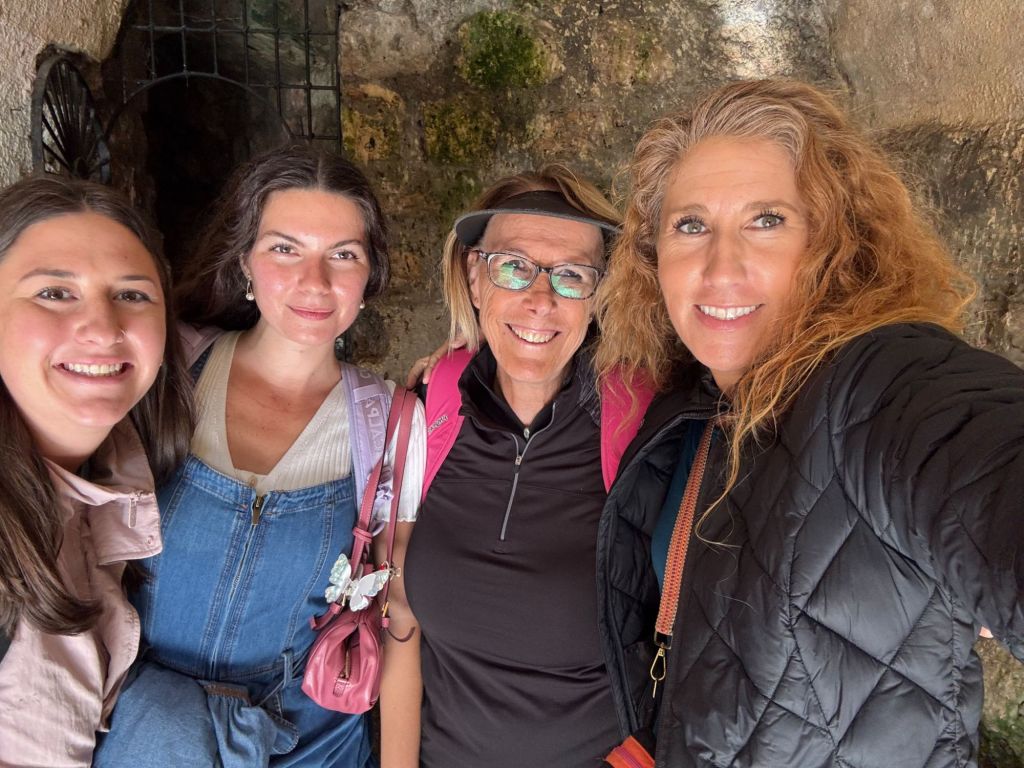
Out of the water tunnel, we rejoined the rest of our group at the Pool of Siloam, where Jesus healed the blind man according to John 9. That pool would have been the one “commoners” (like Jesus’ family) would have used to cleanse themselves prior to entering the Temple. What was originally thought to be the size of an overgrown playpool, has proven it to be a large pool, closer to Olympic size. In addition, Pilgrim’s Road, leading from the pool up to the Temple is now excavated and open to the public. It is a long uphill walk, but well worth it to get a sense of what it was like in Jesus’ day to go up to the Temple. There would have been vendors in booths along the way, selling Passover animals for sacrifice, as well as other food sources and household goods. Pilgrim’s Road was likely open air in Jesus’ time, but is tunneled below existing houses today. Thus, steel arches support the ground above and make it more tunnel-like. We emerged inside the Old City near the South Wall excavations.
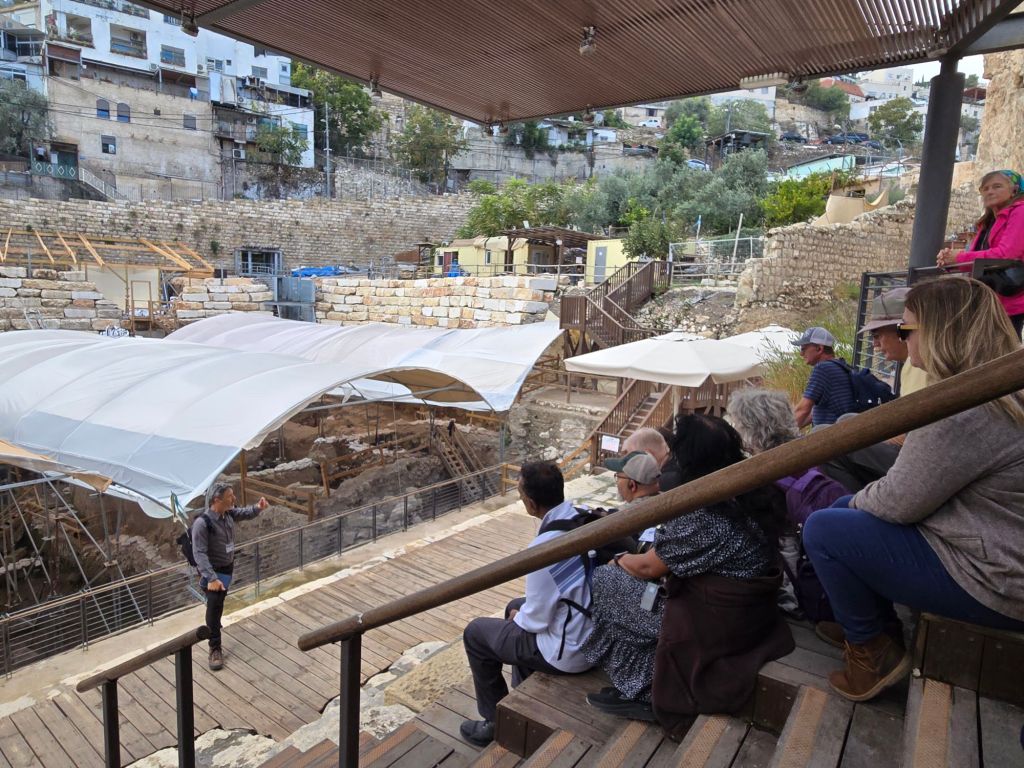
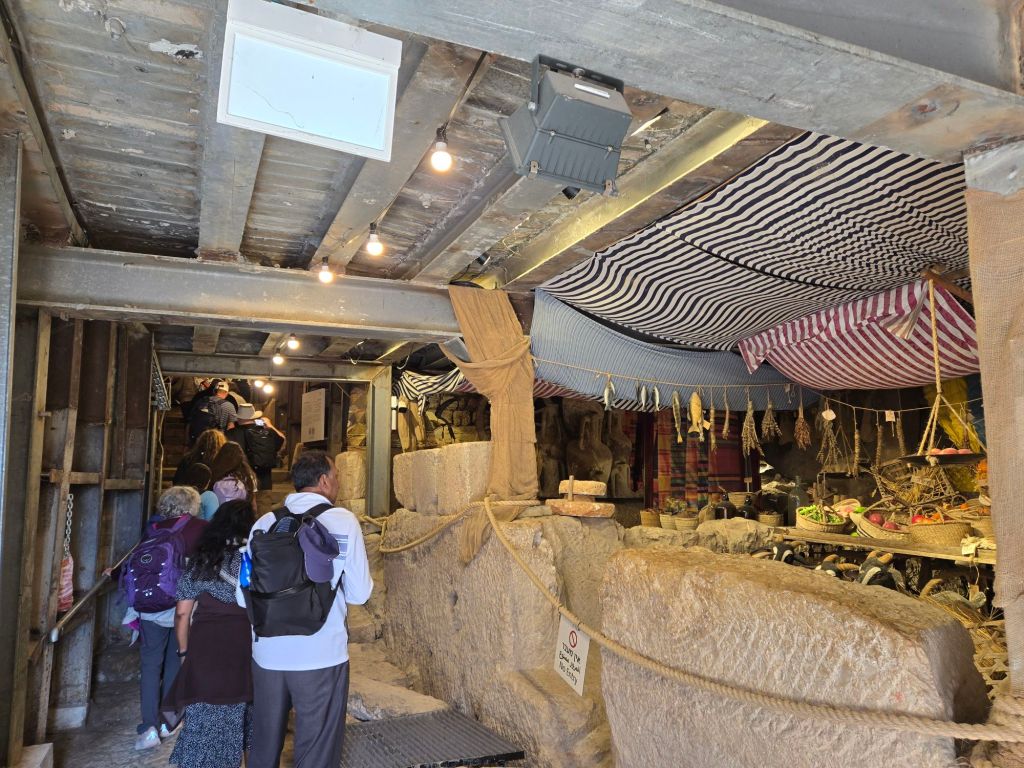
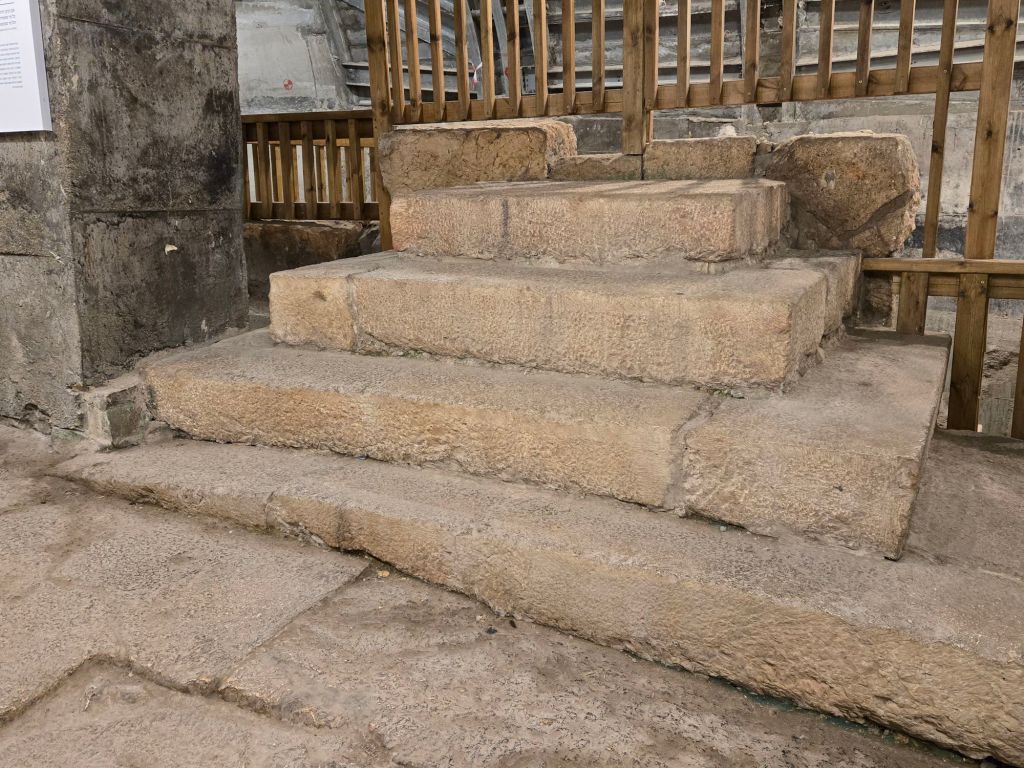
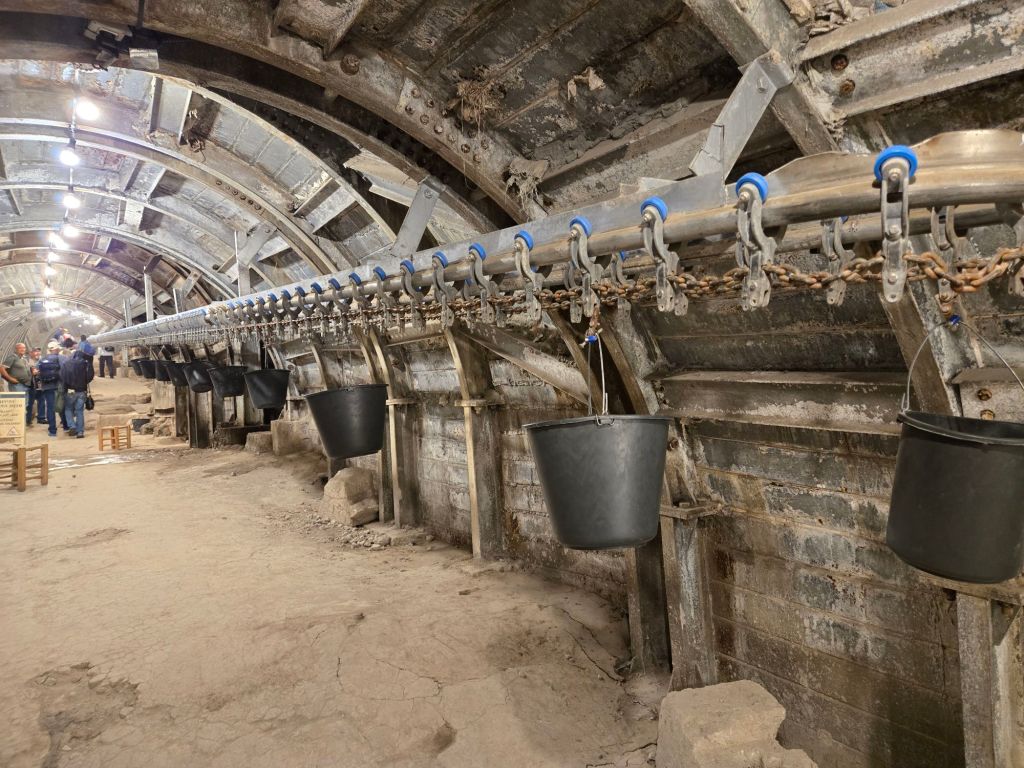
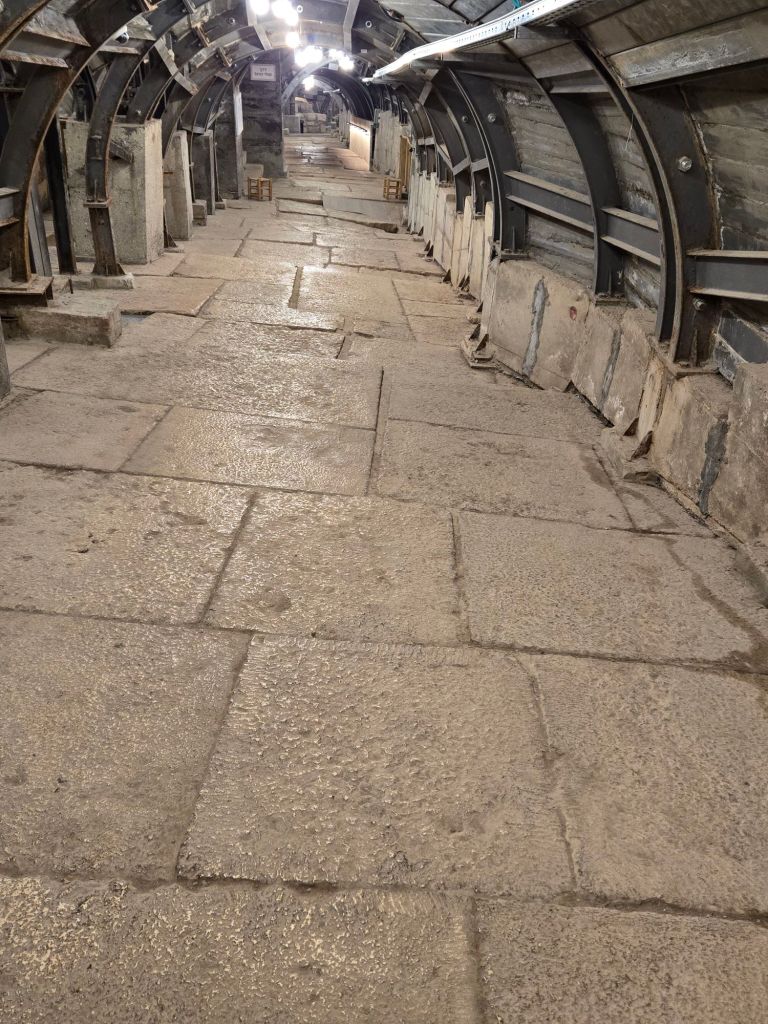
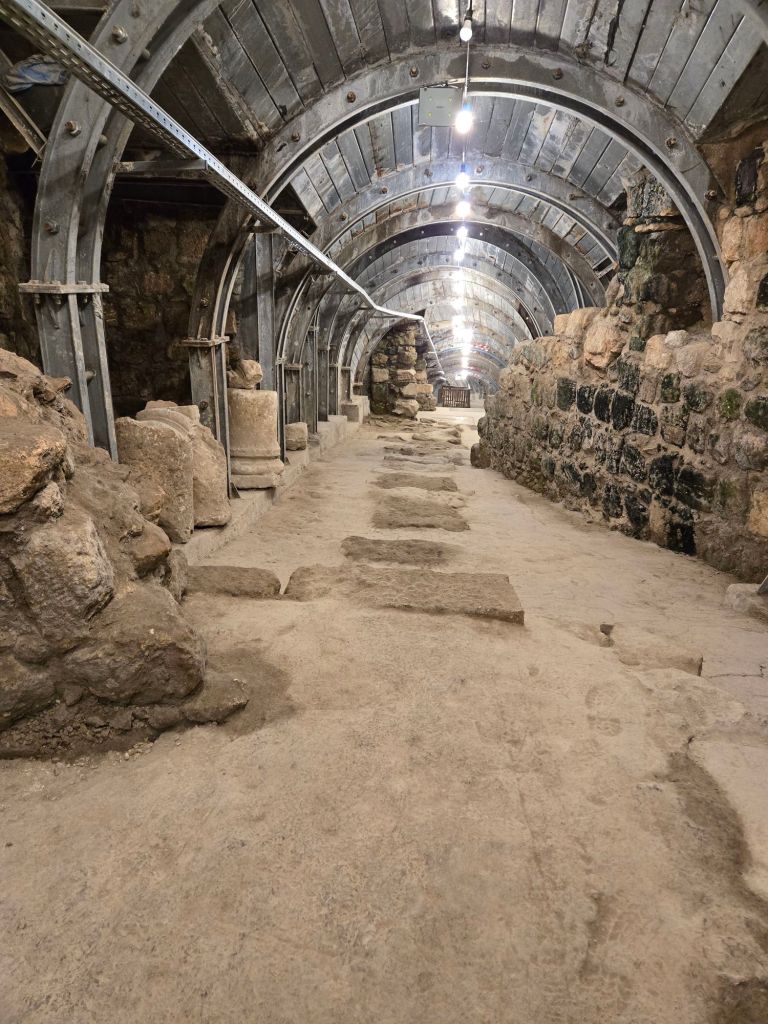
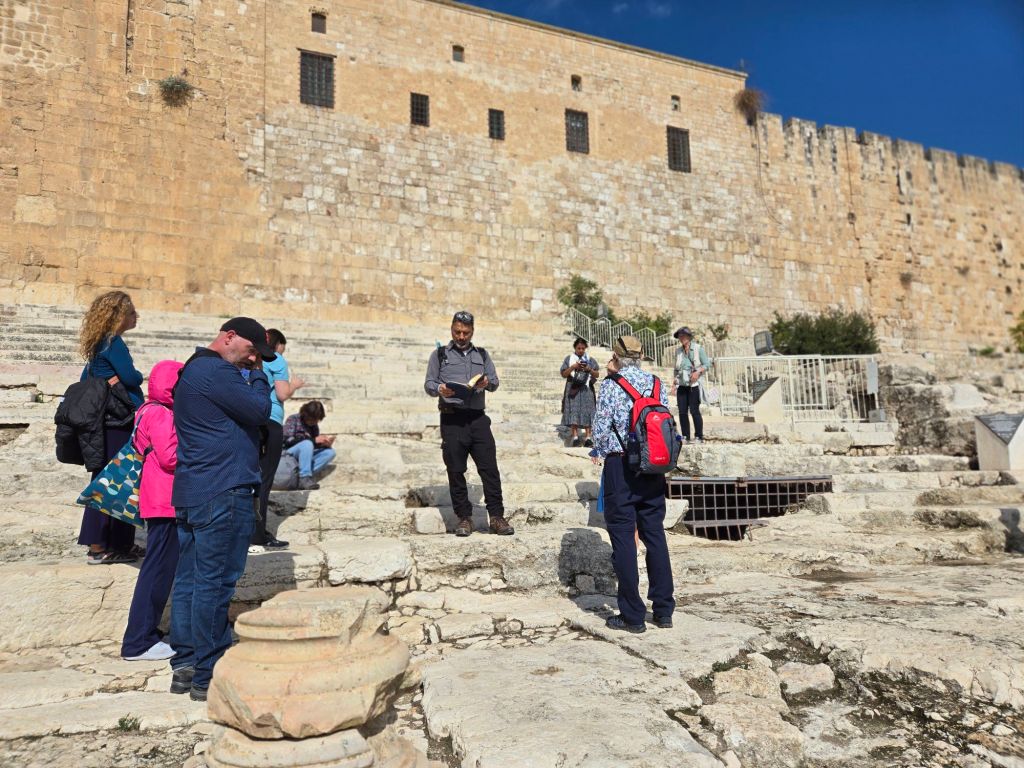
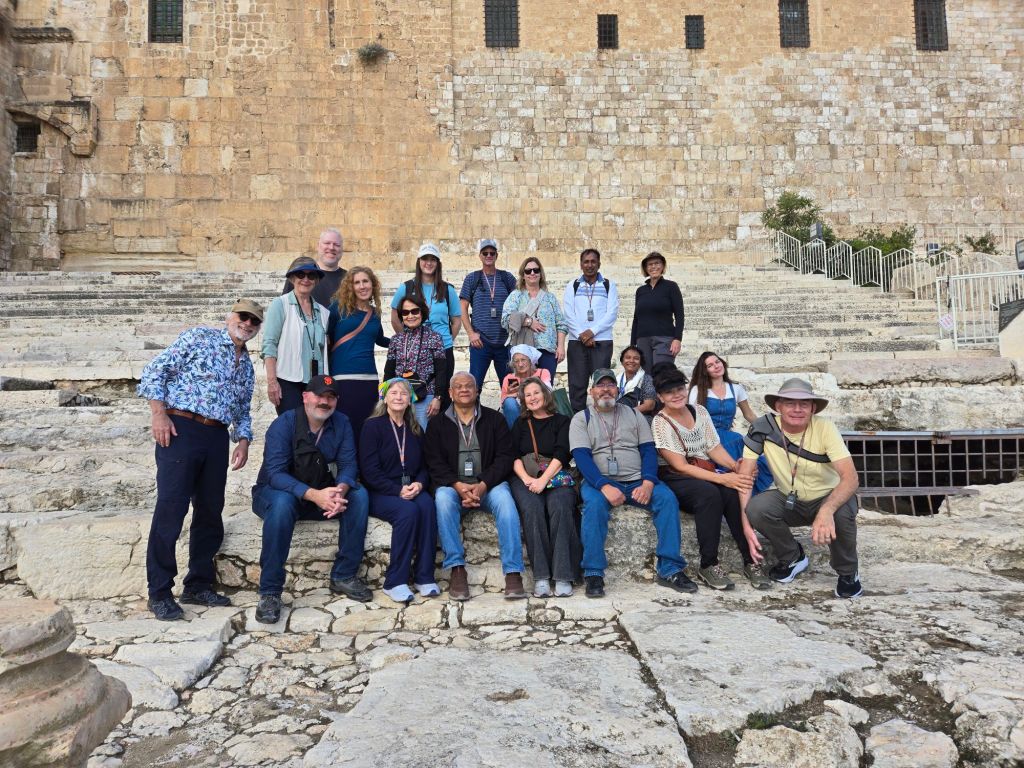
Much excavation work continues at the southwest corner of Temple Mount. Likewise, the southern steps to Temple Mount, which Jesus and other commoners would have ascended, are being rennovated. Yet still, in many places it is possible to put our own feet on the very pavement Jesus would have walked! How exciting is that!
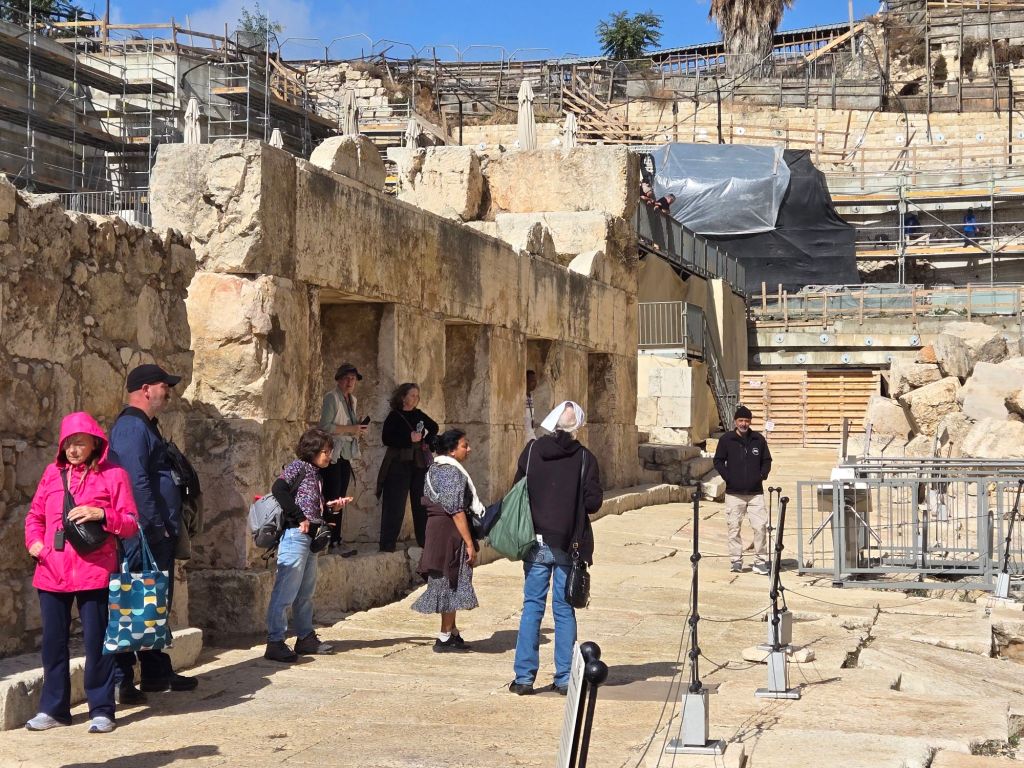
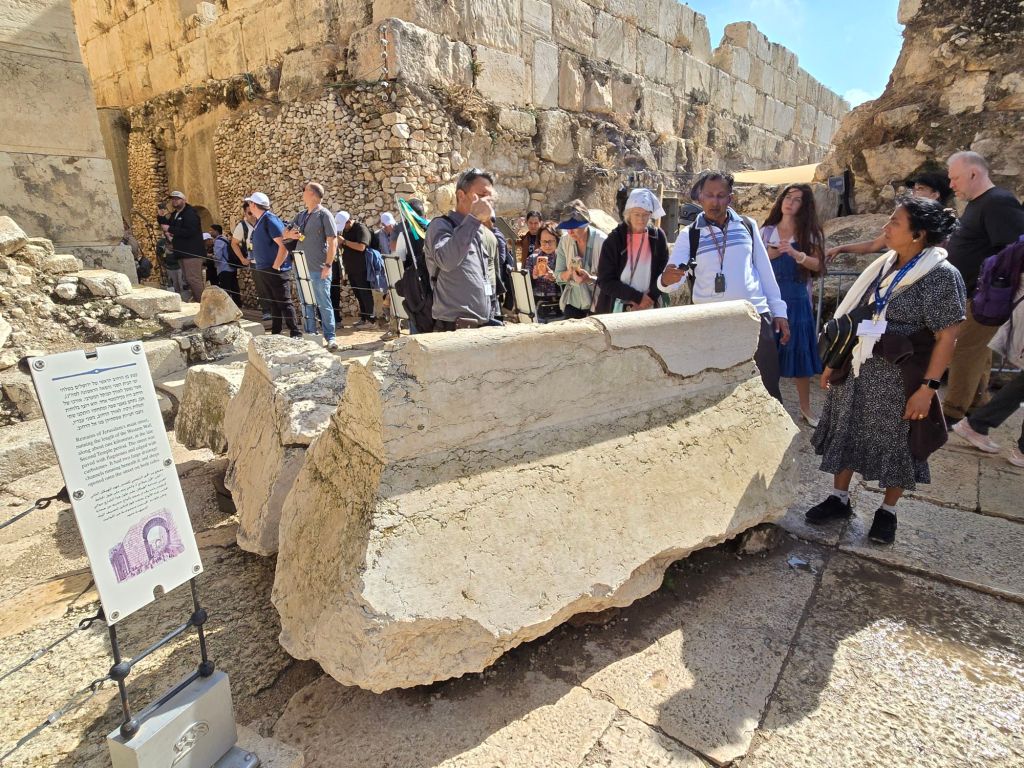
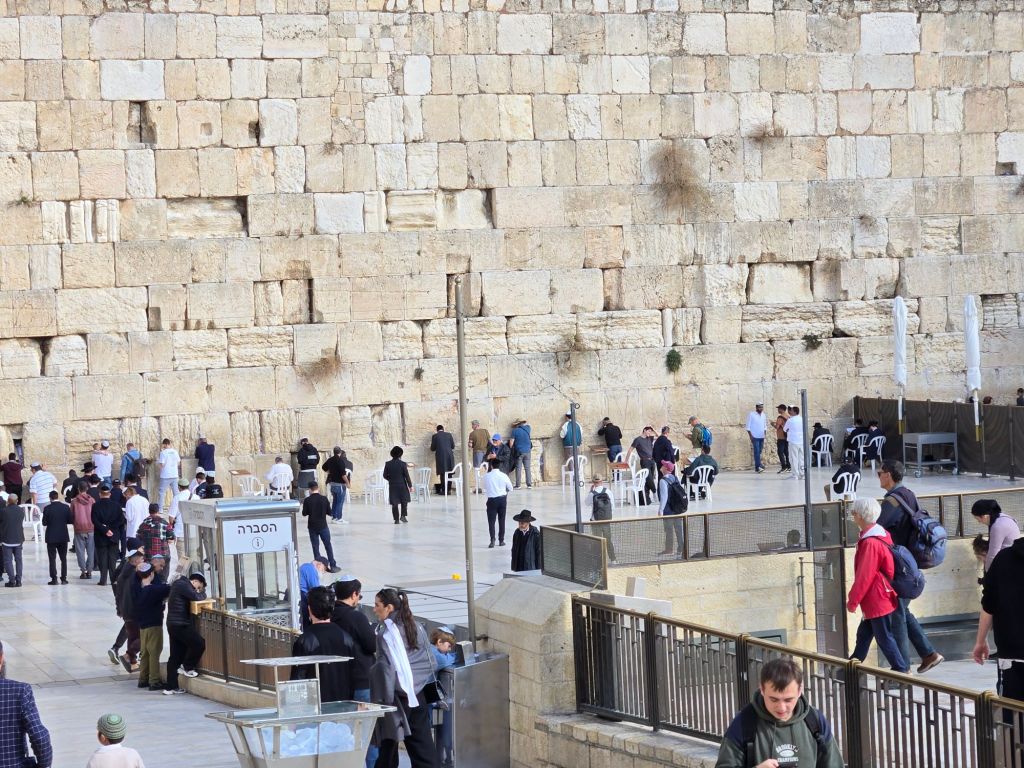
Next, the Western Wall. It is the closest the Jewish people can get to the Holy of Holies since the temple no longer stands (after 70AD) and Arabs control Temple Mount. As I am always reminded here, the Western Wall is the most bittersweet place on earth. Why? Because many who come to the wall are fervently praying to God and yearning for their Messiah to come. Their zeal is admirable, yet they are so close, but so far away. The One they yearn for is simply waiting for them to acknowledge their sin, come to Jesus as Messiah, and receive Him unto themselves. Their zeal won’t cut it, but the grace of their Messiah can.
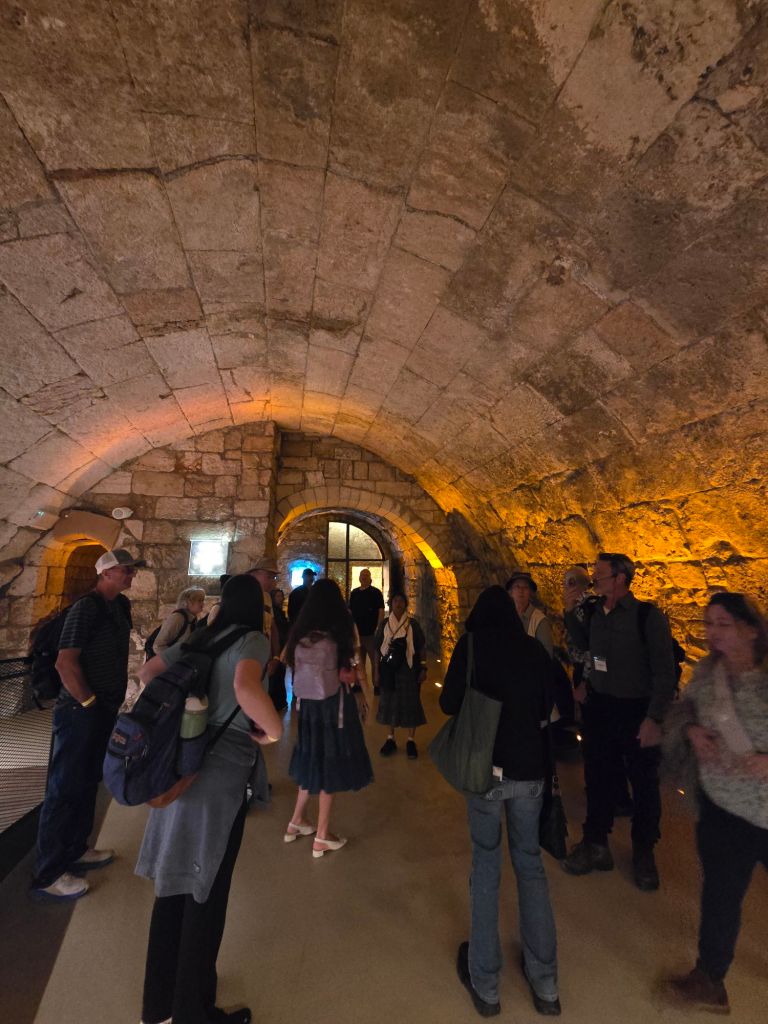
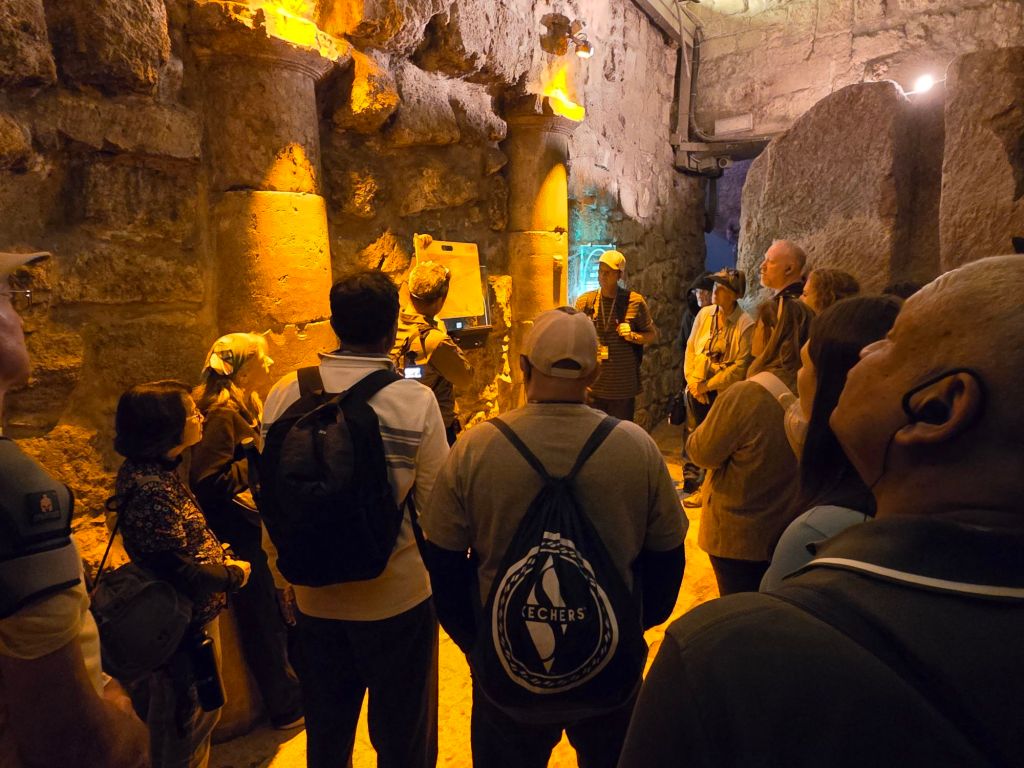
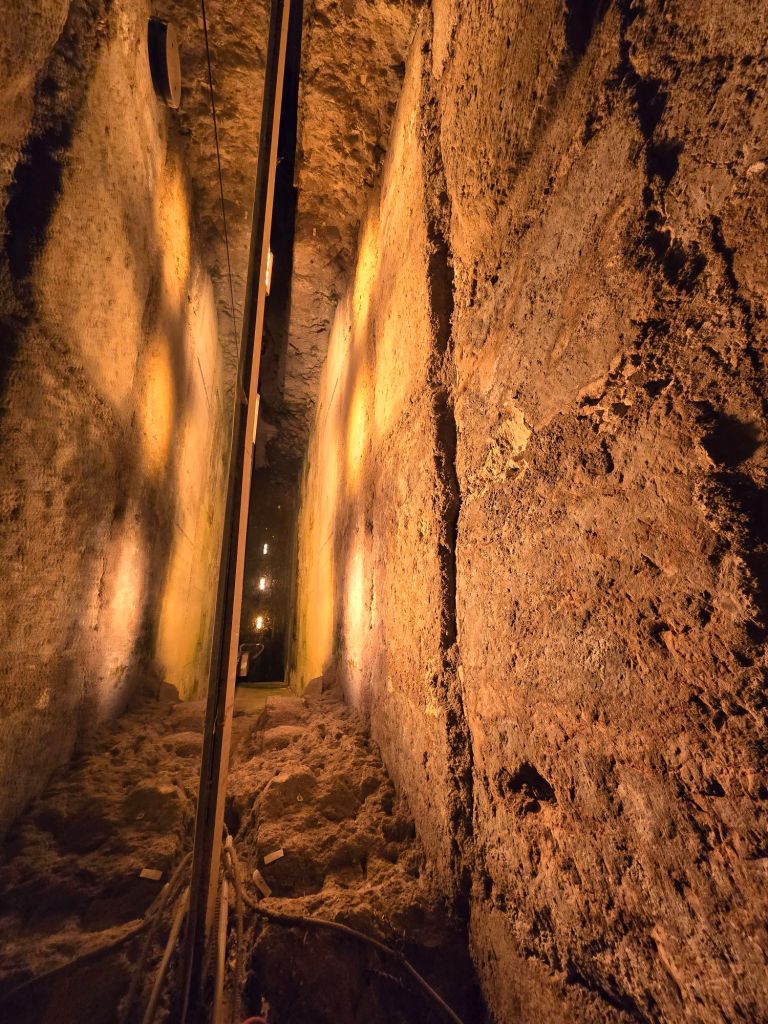
We also toured the Western Wall tunnels that run beneath current ground level along the Western Wall. Jerusalem is a city of layers. Once a civiliation ceases to exist, another comes along and builds on the site of a previous civilization. This is a tel, which we talked about at Megiddo several days ago.
Then we walked to the Church of the Holy Sepulcher. Early tradition says this is the burial and resurrection place of Jesus. Perhaps, but today many churches wrangle over who should control the site. Inside it is filled with instruments of worship and incense, which is foreign to many believers from the west. Gaudiness, and the fact the church is built very tightly around the proposed sites of Jesus’ death, burial, and resurrection, tend to turn some off. Though I agree there is lots of evidence Jesus may have been crucified and buried where the CHS stands, the Garden Tomb (which we will visit in a few days) has its merits as well, and is a much more appealing setting to commemorate Jesus’ death, burial, and resurrection. (The church is undergoing major rennovation on the outside, and we didn’t go in. Thus, I have no pictures.)
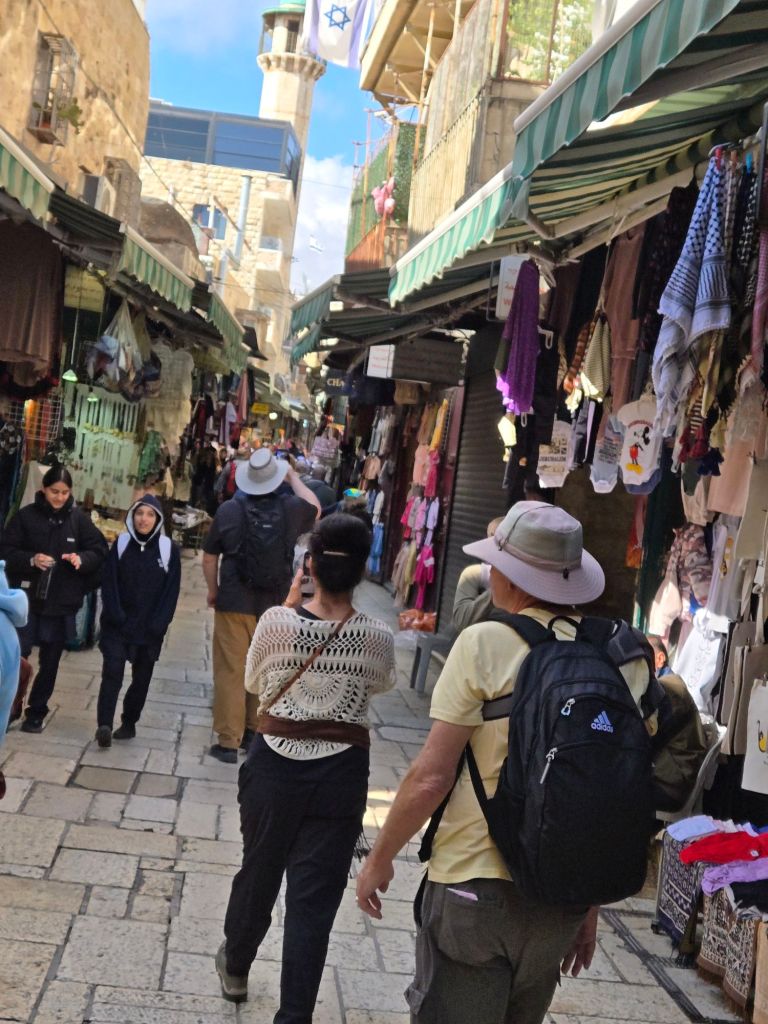
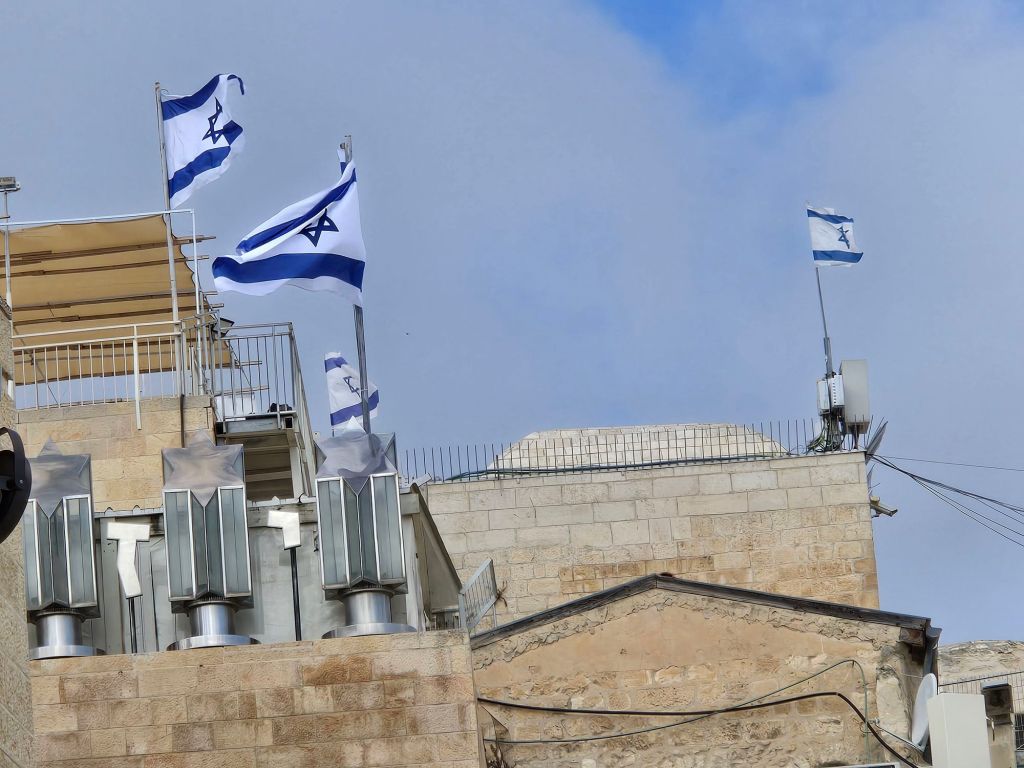
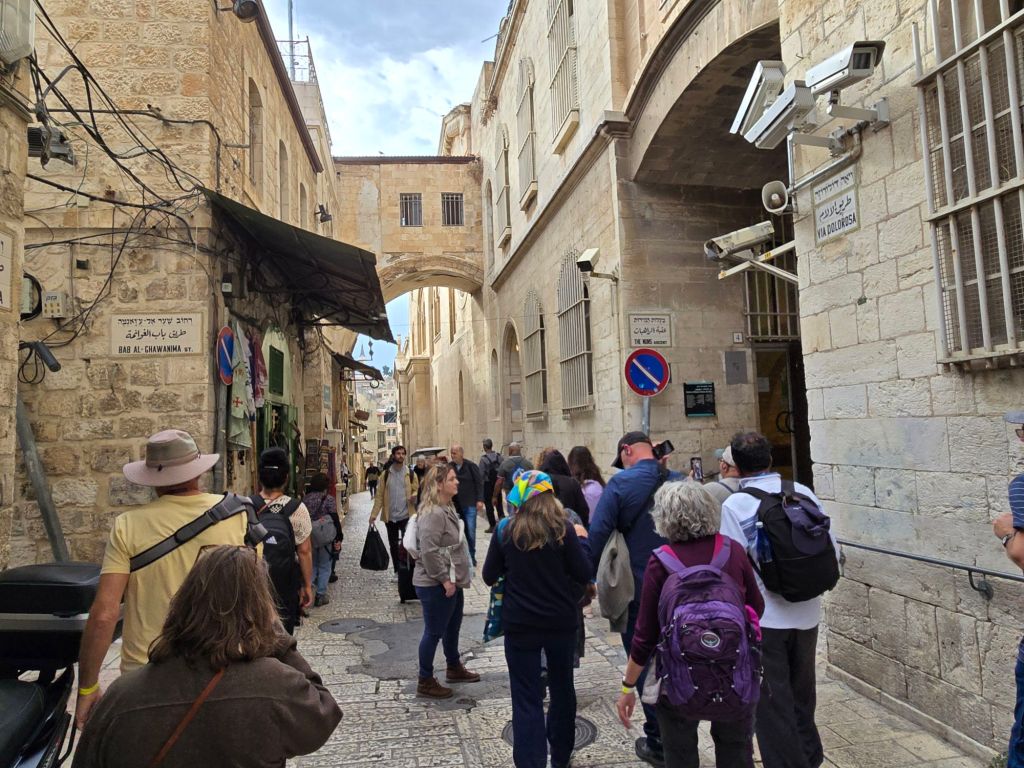
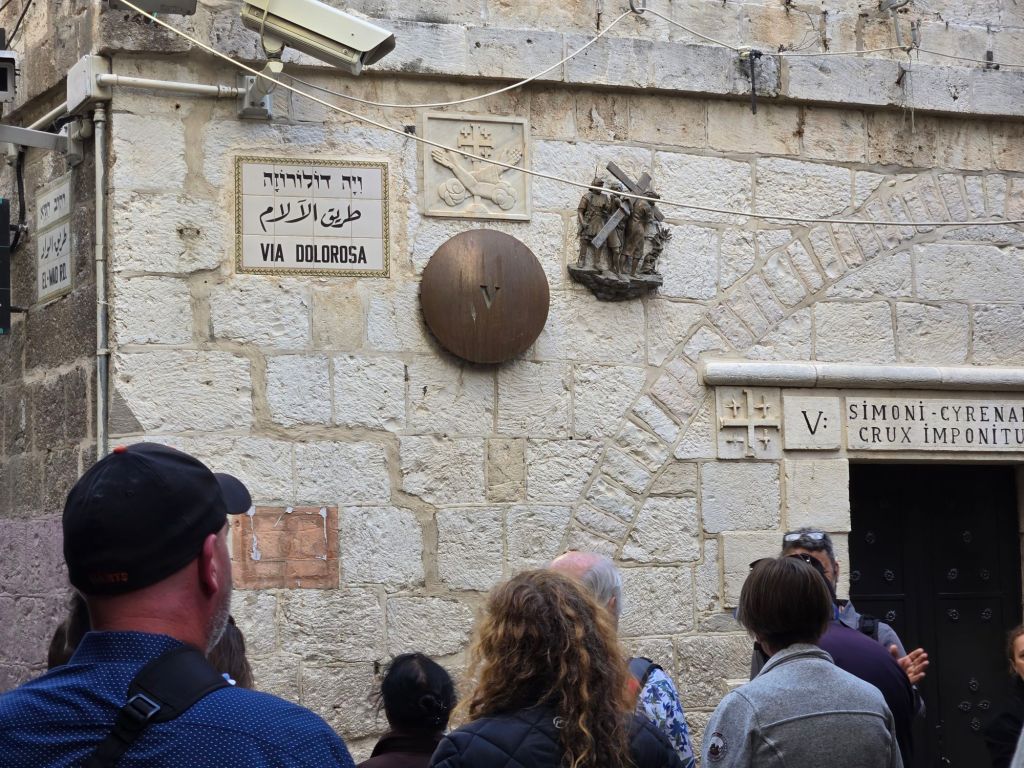
During the afternoon, our group had some free time in the Old City where they could shop in the bazaars, see sites within the city, or return to places they wished to contemplate further. Here are some scenes from the Old City.
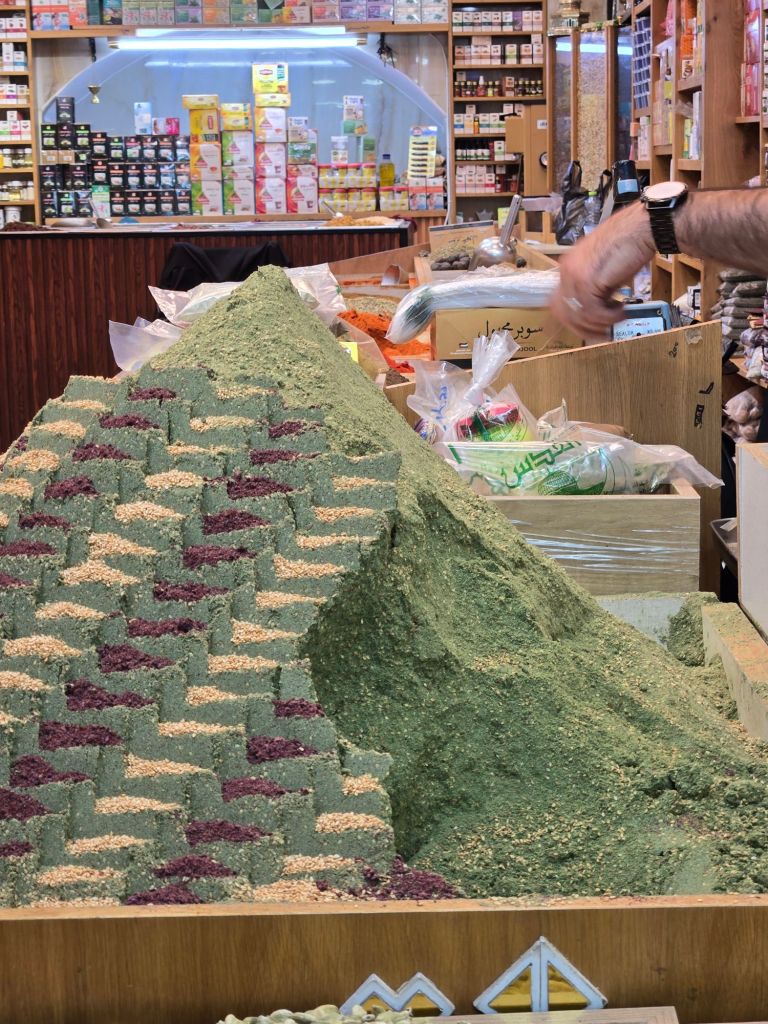
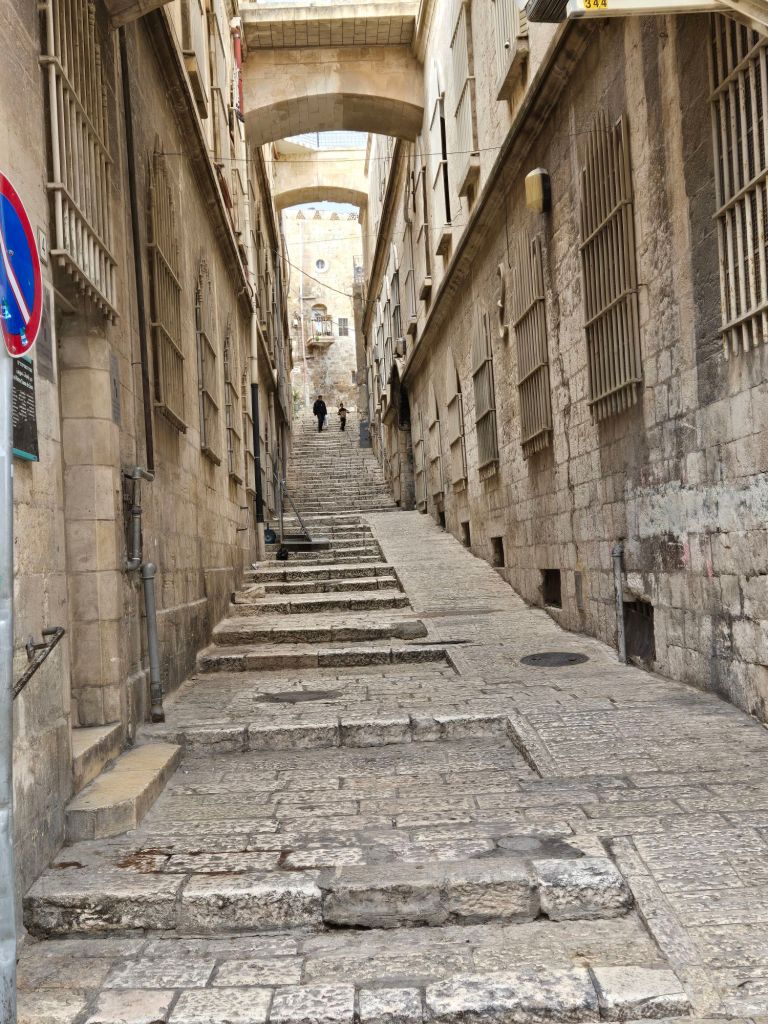
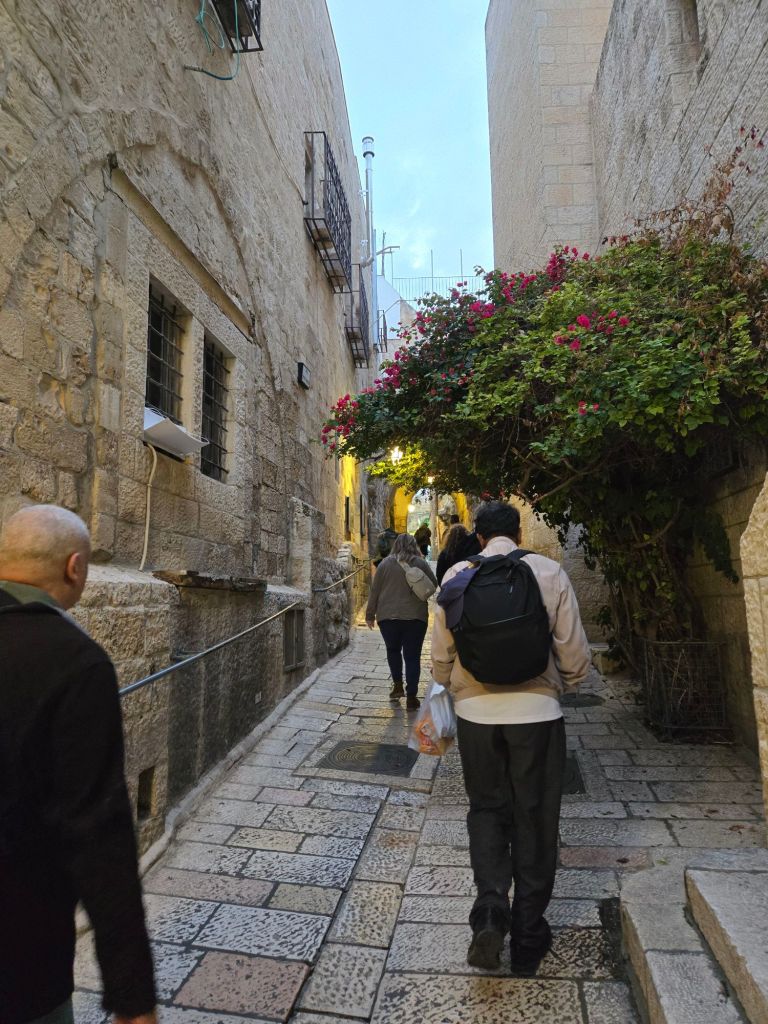
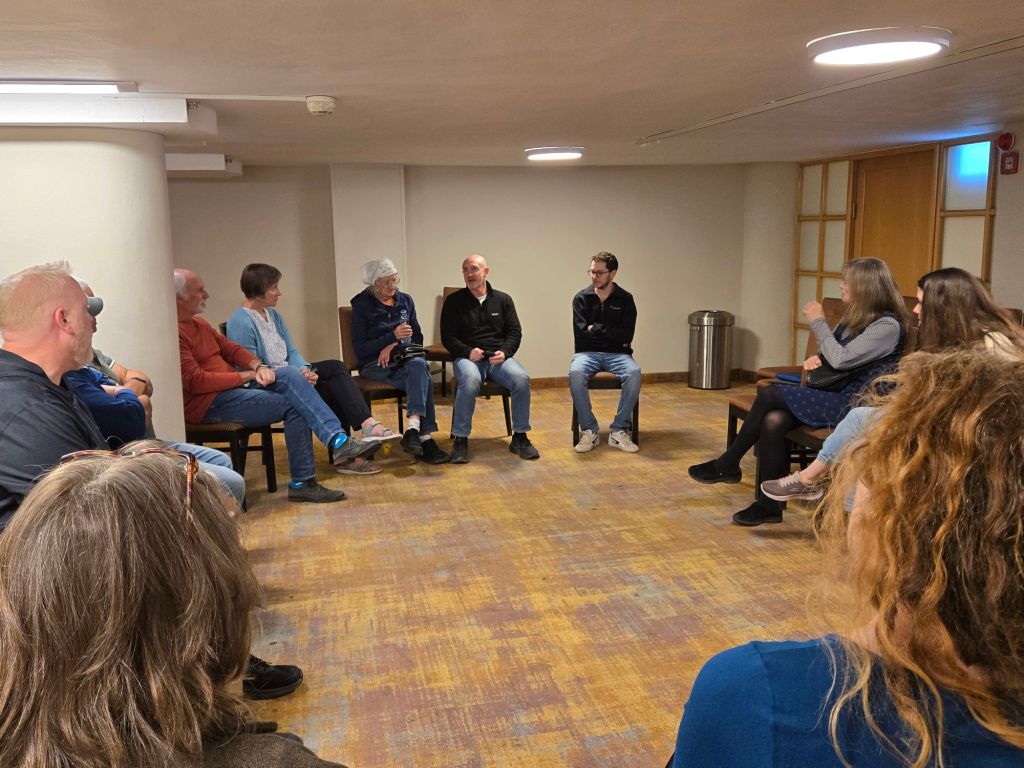
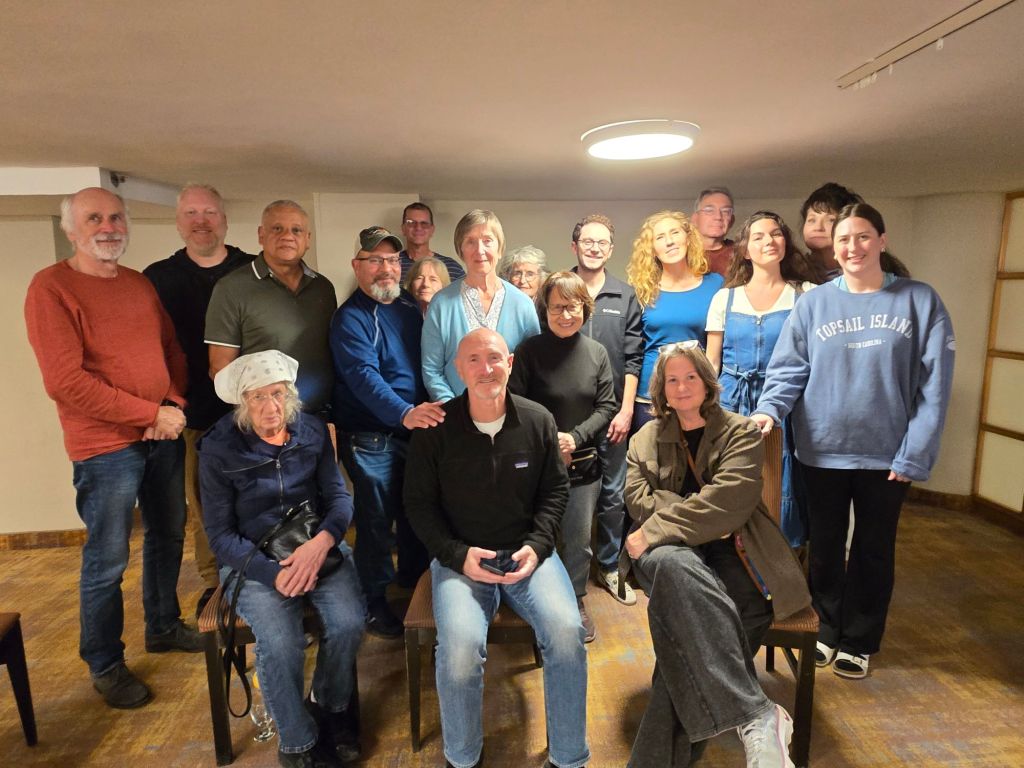
After some free time in the Old City bazaars, we made our way back to the hotel to hear from Dr Seth Postell, one of ONE FOR ISRAEL’s senior professors at Israel College of the Bible. Seth is a busy man, so we were so fortunate and thankful to have him with us.
Friends, thanks for hanging in there with us! We love the fact you are joining us on the journey, and my prayer is that you are blessed by the experience. I would love to host you on a tour of Israel some day, so if you are interested, please keep an eye on ONE FOR ISRAEL’s Tour page. Meanwhile, check in tomorrow when we go to Temple Mount, the Israeli Supreme Court, and the Israel Museum (Dead Sea Scrolls and model city of Jerusalem). It is going to be another wonderful day! See you then!

