Suddenly I look up and our tour is nearing an end! How did that happen!?! But, we still have another day to go and we’re going to make the best of it! Today we visited the Herzl Museum, Yad Vashem, and Hebron.
Theodore Herzl is known as the father of the Zionist movement in Israel. He was a Hungarian Jew who practiced law and was an accomplished journalist. In 1896, he published The Jewish State, which launched the Zionist movement. “Zionist” has taken on negative context in recent years due to antisemitism and hatred toward Israel, but the term simply means someone who favors a Jewish homeland for the Jewish people. Why is that so difficult?
We learned a lot about Israel’s Zionist visionary, and it is too bad Theodore Herzl never saw the establishment of Israel as the homeland of the Jewish people. Of course, it hasn’t been without its hardships and resistence, but Theodore would be proud!
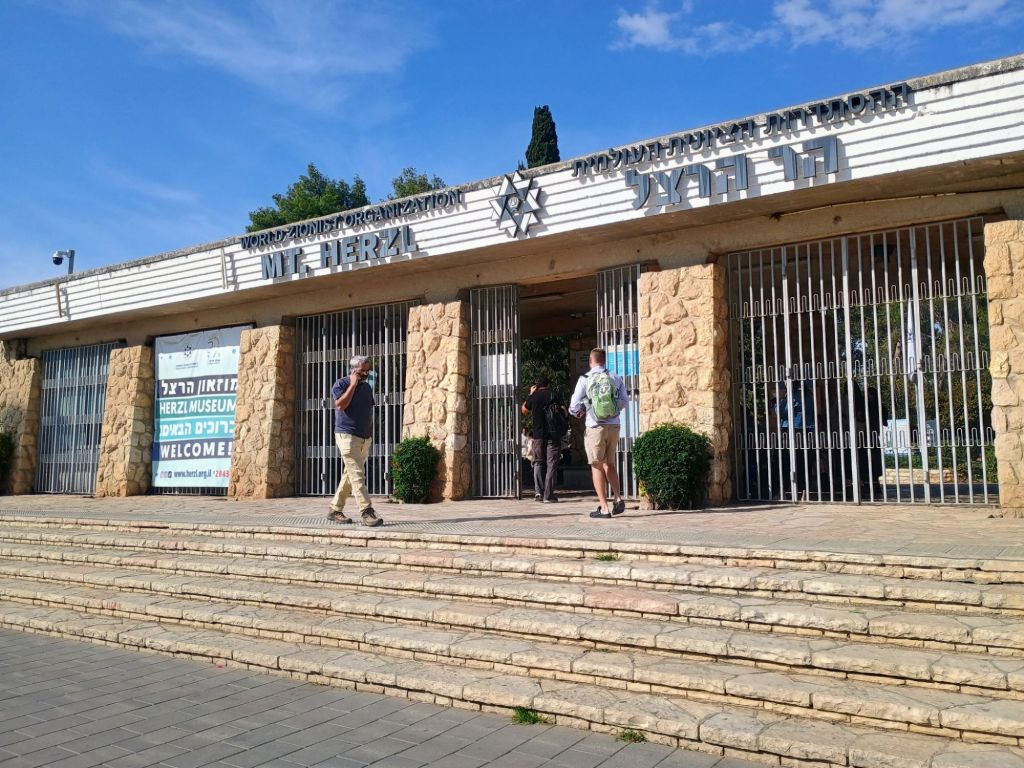
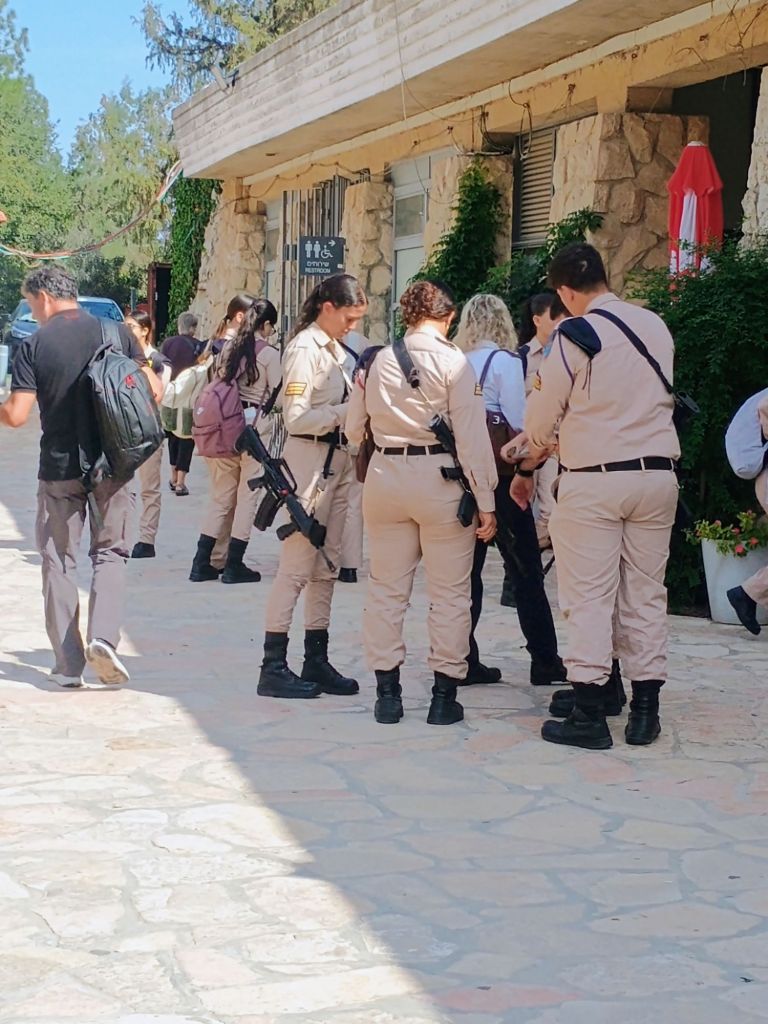
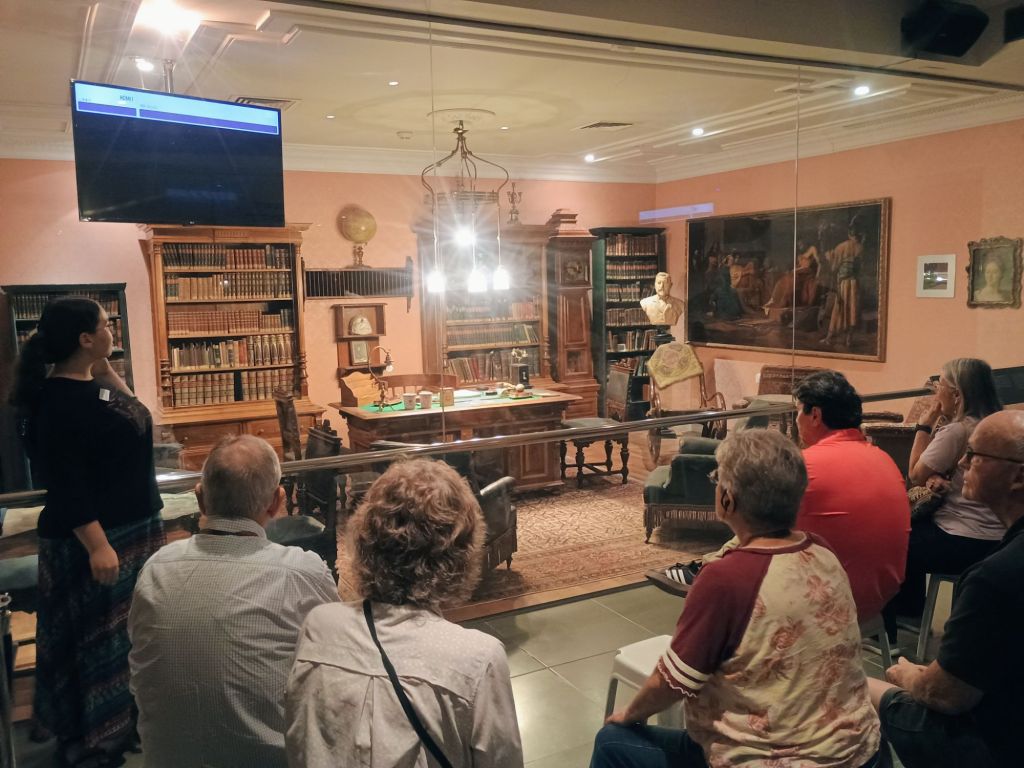
The story is told here
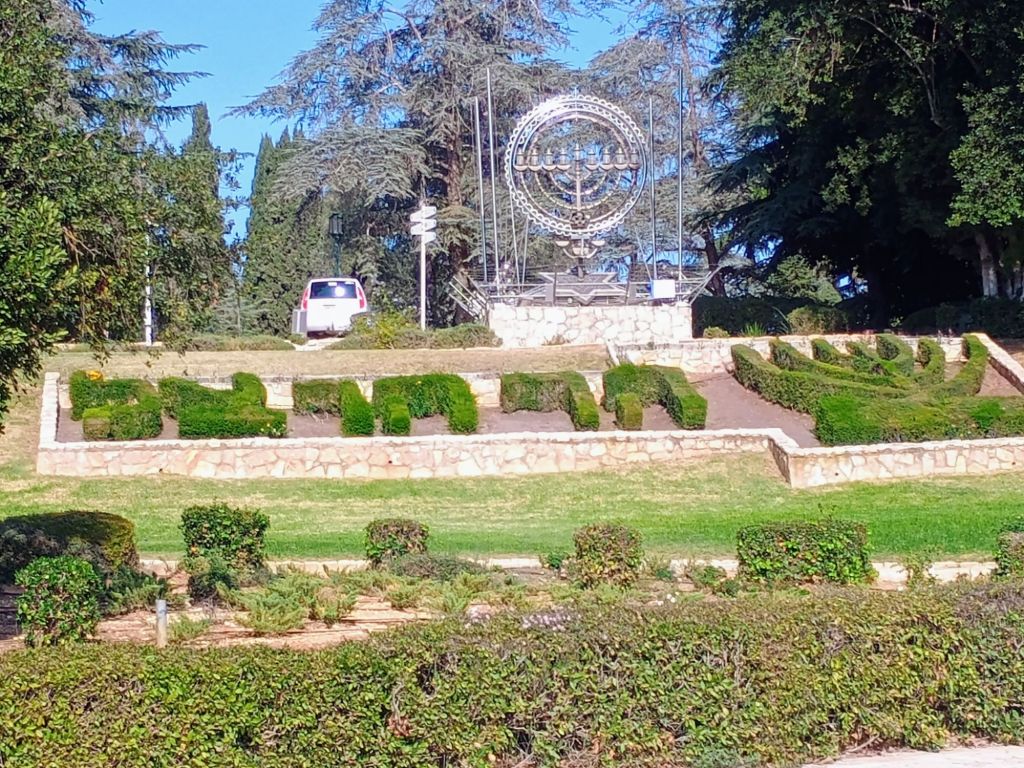
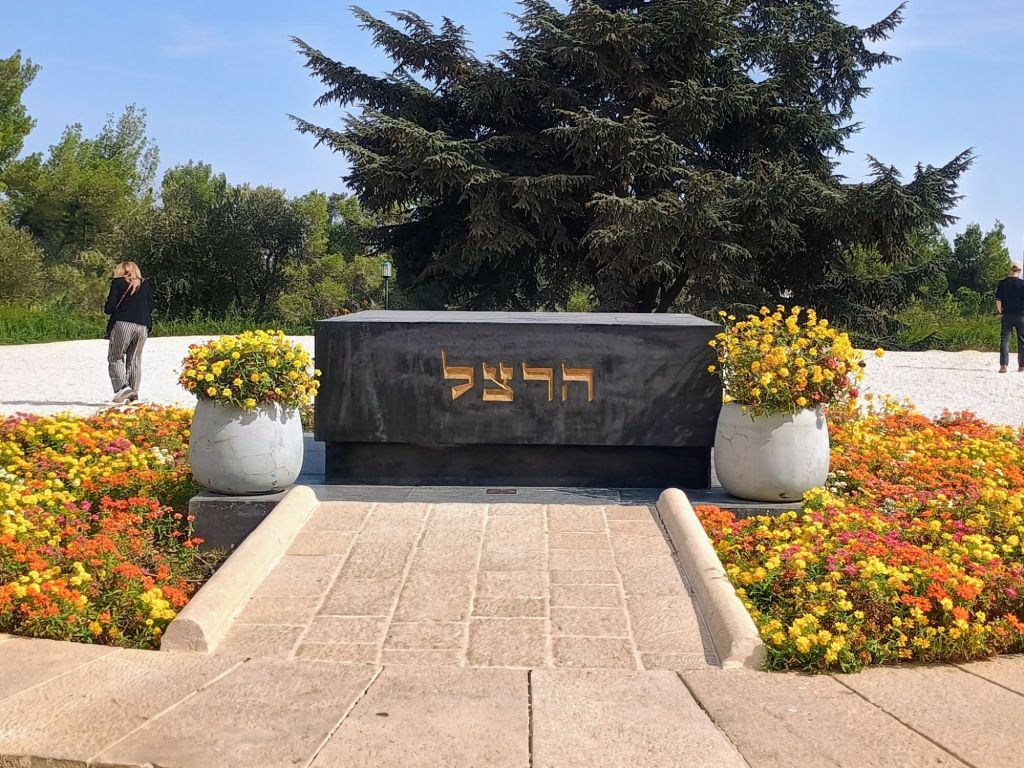
That is his name written in Hebrew.
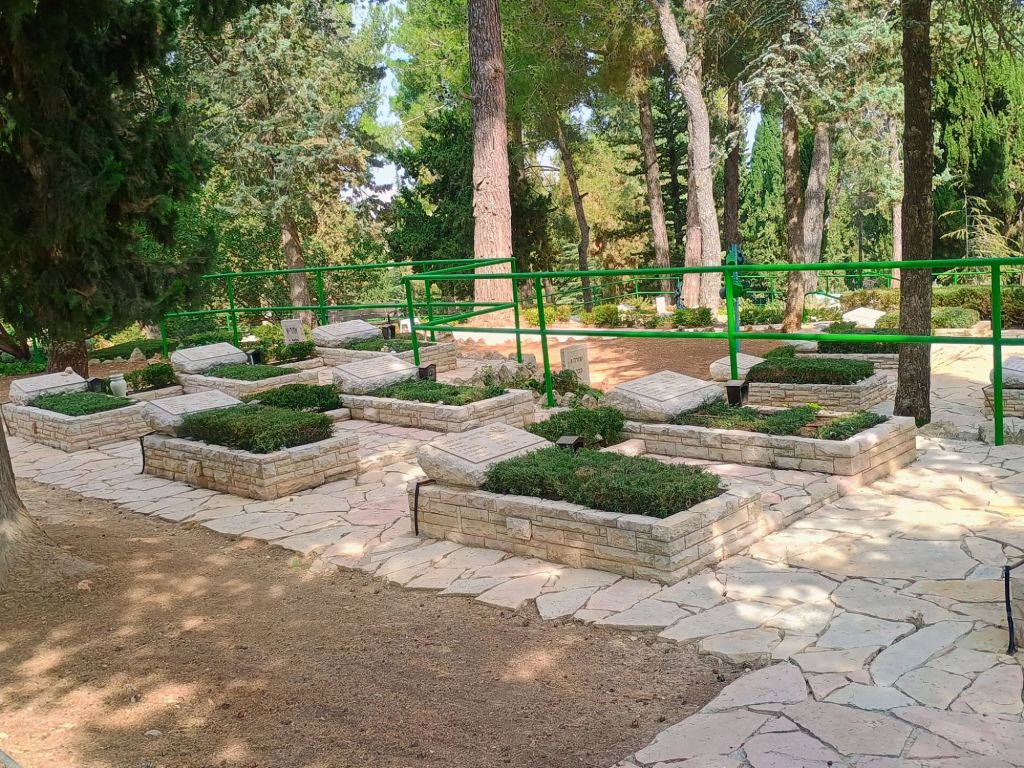
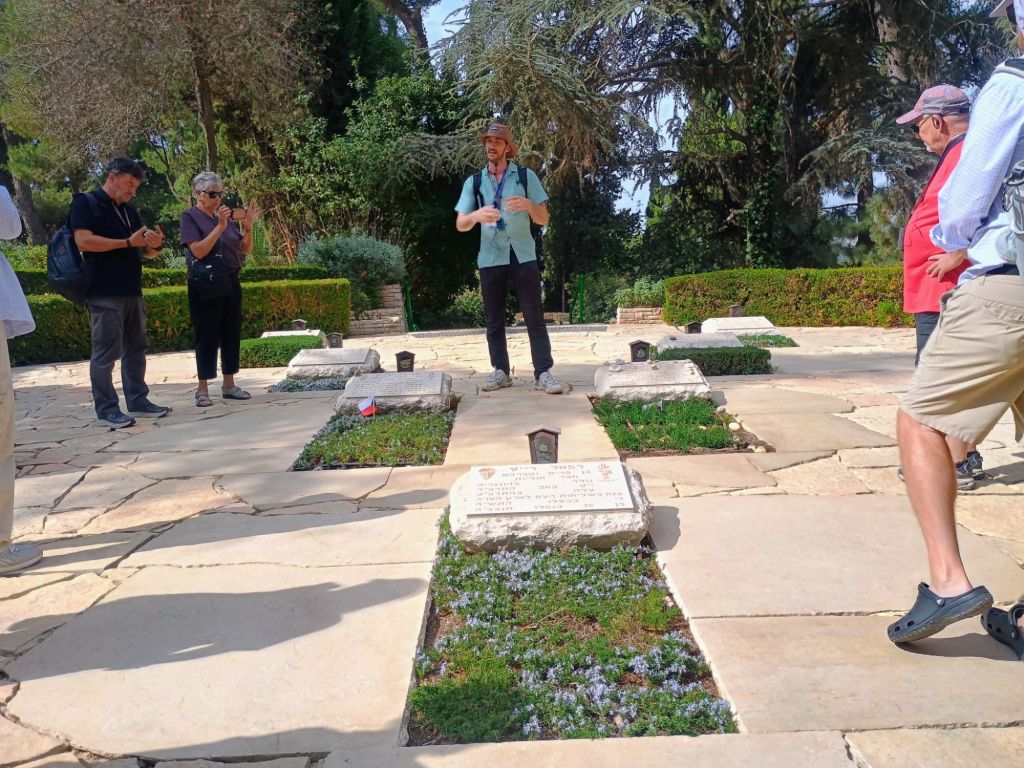
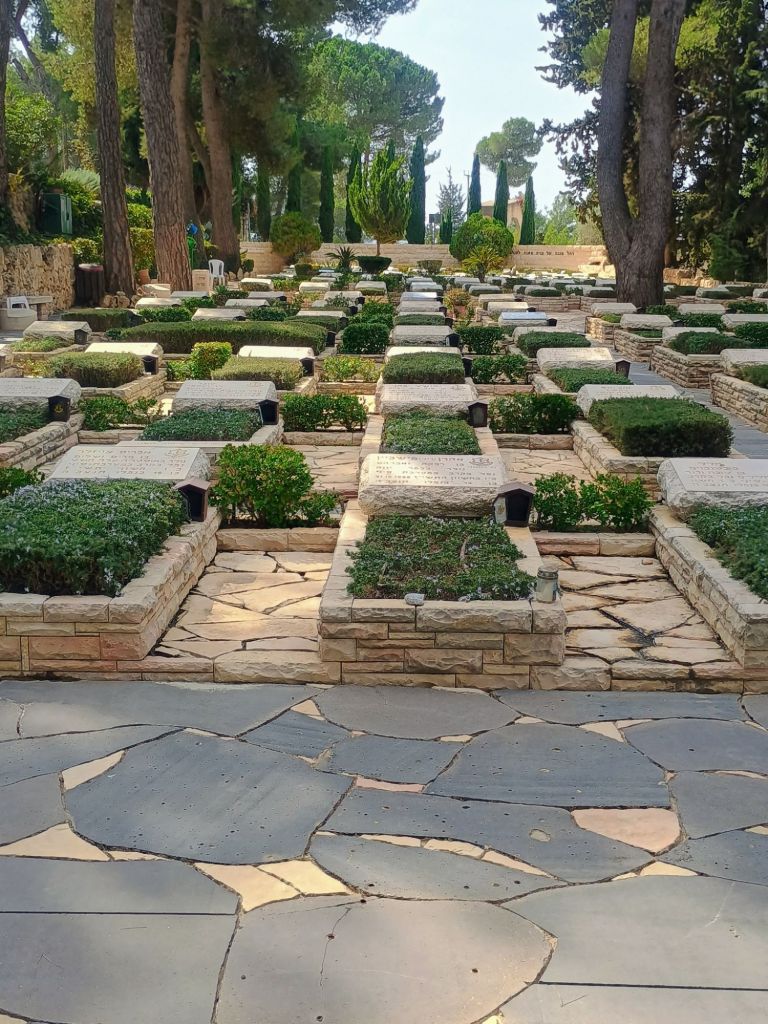
The Herzl Museum provides a well-done narrative of the history of the Zionist movement, and is also situated on a hill next to Yad Vashem, the Holocaust Museam and Educational Center. The two museums are different, yet inseparable. One commemorating Israel’s visionary, the other a living vow not to allow the vision to die. The hill of Mt Herzl is similar to Arlington National Cemetary in Washington DC, in that it is the burial home of IDF soldiers who die in battle. Not surprisingly, every soldier’s grave is marked exactly the same, with no preference to rank, signifying that the life of every soldier is equally valued.
Leaving Mt Herzl, we walked down a walkway to Yad Vashem. The museum is always a moving experience and one in which virtually all visitors to Israel visit. In our case, we had the special privilege to meet Ruth, a 90+ year old Holocaust survivor who shared a bit about her story. She shared how her father (a wealthy man) met and married her mother (a poor woman). They had a happy family life in Europe, filled with music and joy. In school, Ruth and her older sister, Miriam, were sometimes treated as second-class because they were Jewish, but neither young girl understood why. In fact, Ruth didn’t even know what it meant to be Jewish. But she soon found out. Here is a small portion of her story that I noted:
Early in World War II, everything changed for Ruth and her entire extended family.  They had to say goodbye to close non-Jewish friends, and even the family's dog. It saddened Ruth. They were living in Warsaw Poland, but told they must leave. They were taken to a ghetto. 8-year-old Ruth didn't know what that was, but thought it rather interesting. They took only their clothes and a few kitchen items. But her mother was a pianist and boldly (and perhaps a bit unknowingly) asked a German soldier if she could take her small piano and he said yes! As it turned out, that provided a sense of "home" in the ghetto, which soon became a very terrifying place.

Ruth says they didn't live like human beings. They were not allowed to do common, familiar things, and were not taken care of. A German they called "Frankenstein" liked to murder children, so Ruth's father told the girls to stay away from him. Yet, one day, Ruth found herself face-to-face with Frankenstein. With a gun pointed to her face, Frankenstein told Ruth to turn around and go home. Knowing it was her last moments on earth, Ruth froze, not moving a muscle. She knew she was about to be killed. Yet, after a while, Frankenstein seemed to lose interest and he left.

Ultimately, the Germans came to take those capable "to work." Ruth was too young, which saved her life a second time. However, many family members were taken to the work camp (concentration camp) and never returned. Ruth and her mother were left in the ghetto while her father and sister were taken. In the ghetto, there were small factories where parents worked. Children were not allowed, but often were taken there anyway to hide from the Germans. One day, while Ruth was hiding, she heard an explosion and came out to find many dead and her ghetto burned out. Had Ruth not been in the factory, she would have died in the explosion.

A Christian family then took them in and shared meals with them for 2 years. All Jewish families were in hiding. They could only whisper for fear someone would hear them. They did not have shoes, they had very little to eat, and nothing to read. Finally, they heard the war was ending, but it took a long time.  Suddenly, they didn't hear Germans speaking, they heard Russians speaking. They were finally freed by the Russian army who defeated the Nazis.

Later, as a young woman, Ruth married Solomon, the love of her life for 72 years.  Solomon died last year.
Most Holocaust survivors are now in their 90’s and we will soon have no eye witnesses remaining of what was the most horrific execution of Jews in history. Yet, they realize the importance of telling their story. Though excruciatingly painful to conjure up the memories, survivors press through the pain. Ruth concluded her remarks with, “Please never forget this. Please tell others.”
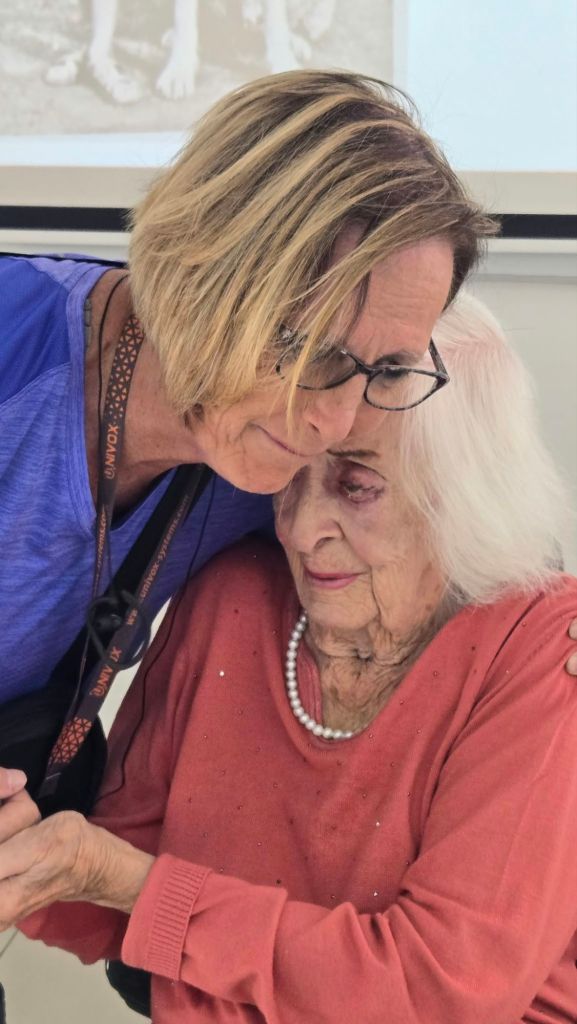
In the end, we were allowed to come around Ruth to greet her and take a picture with her. Some of us took time to speak personally with her. I gently put my arm around her, told her that we are Christians and we love her. Tears came to her eyes when I said, “We will never forget.” She wept as I just held her tightly for a few seconds, reassuring her of our love.
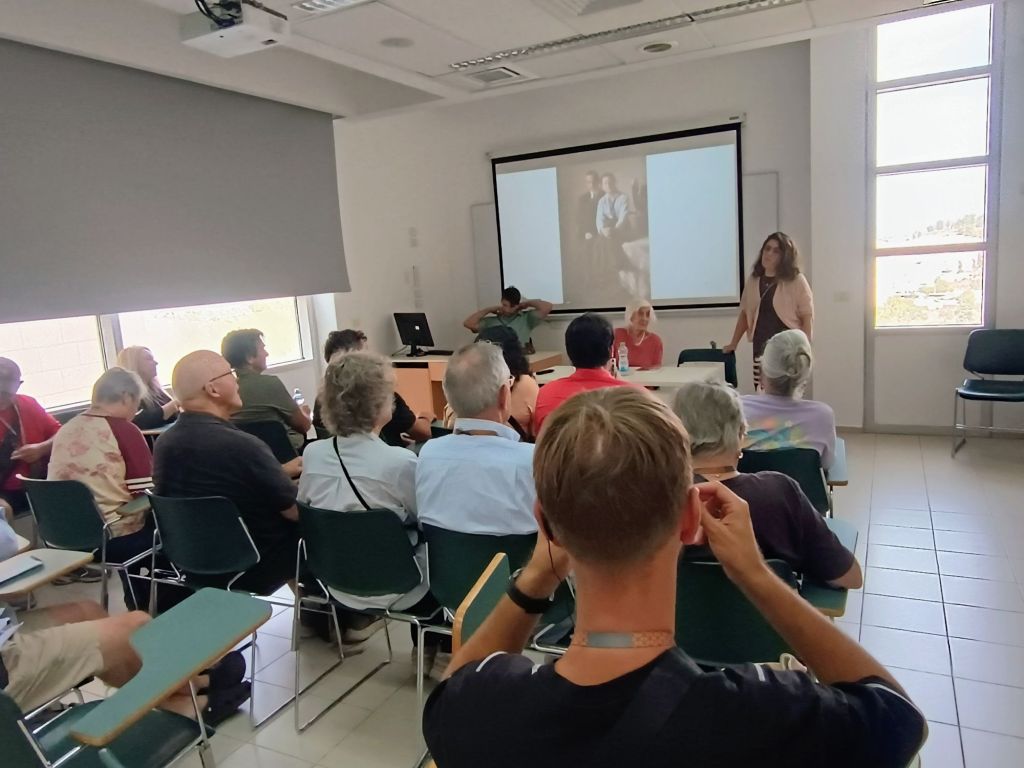
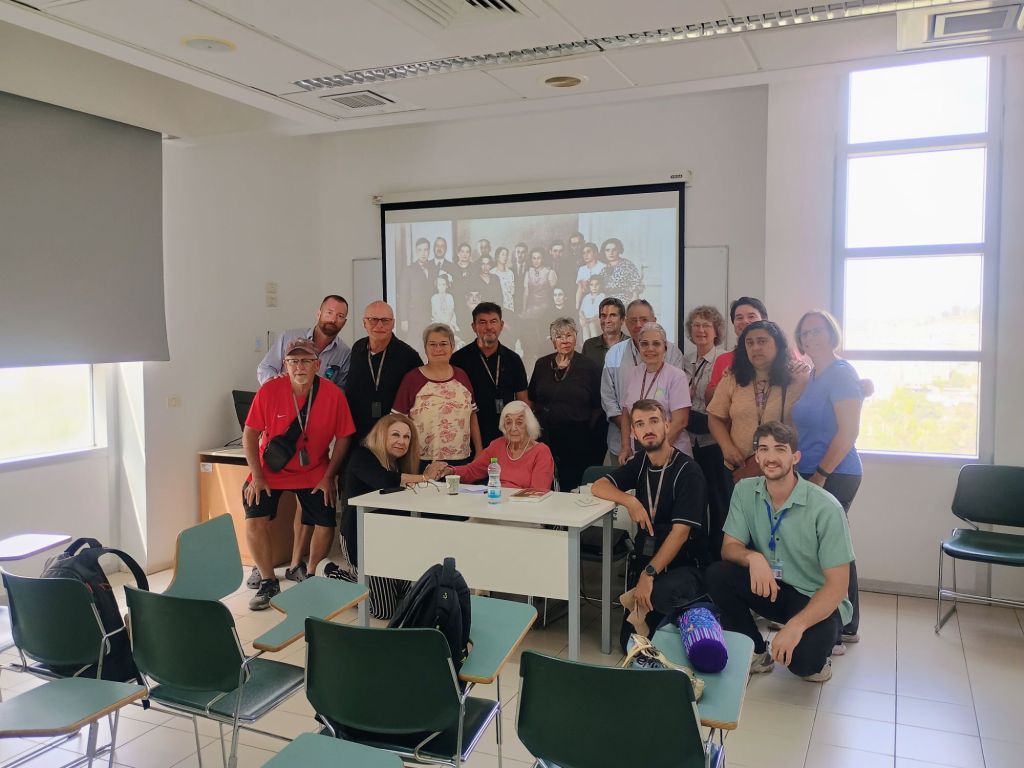
The picture in the background is her family. Almost all perished in the Holocaust
After Ruth’s testimony, we toured Yad Vashem Museum and Remembrance Center. The museum is incredibly well-done and I’ve been there a dozen times or more. Yet, it is a gut punch each time. The scene begins with normal, joyful Jewish life prior to the Holocaust, then takes visitors into the depths of disgust and dispair. Thousands of artifacts and video testimonies bombard the senses. The helplessness one feels is palatable. Yet the museum is built to allow a small gleam of light….hope….in the midst of depression. The Jewish people clung to hope. They are zealous for life and though millions were killed, they determined to rise from the ashes (just as the prophet Ezekiel prophesied so many years ago). Today, they are thriving and prosperous, which makes their enemies hate them all the more. Friends, if you do not yet know the importance of supporting the Jewish people, you don’t understand God’s great plan for them and for us. Come to Israel and you’ll see!
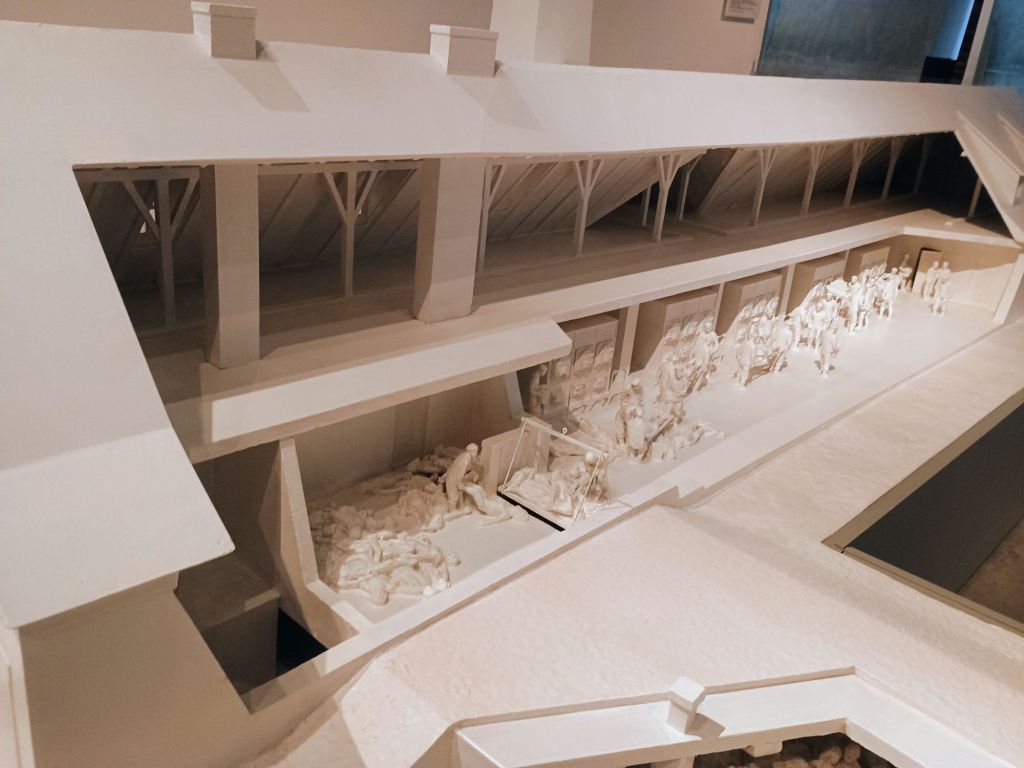
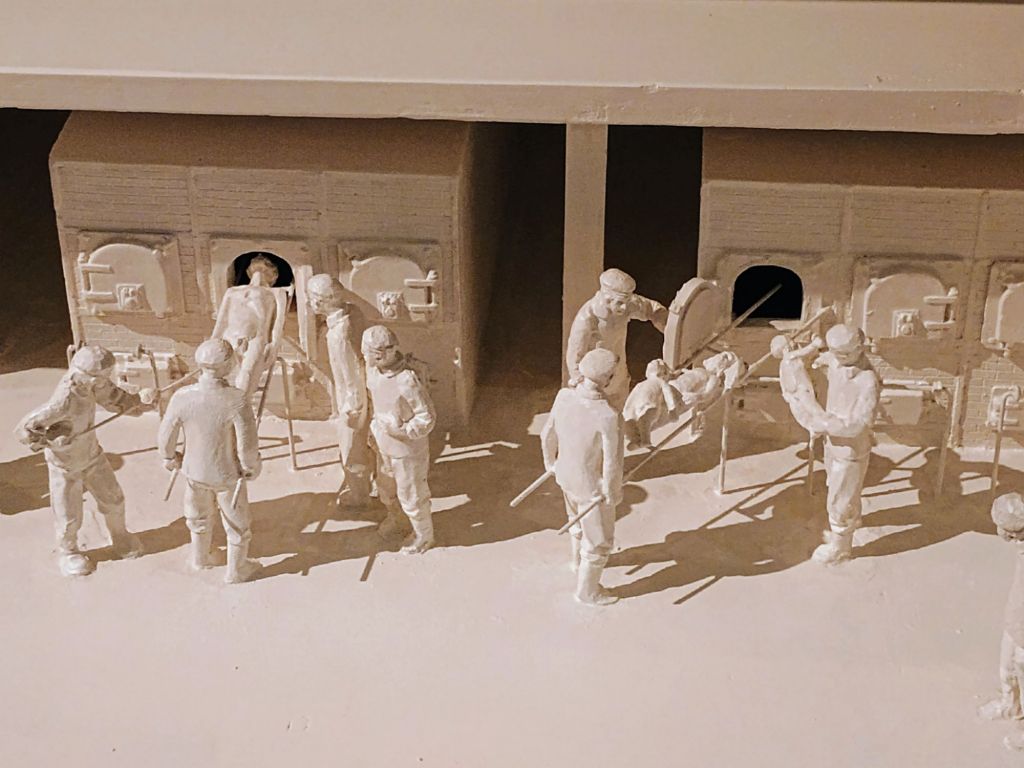
There are thousands of exhibits, but the one that is most disturbing is the model of an extermination camp:
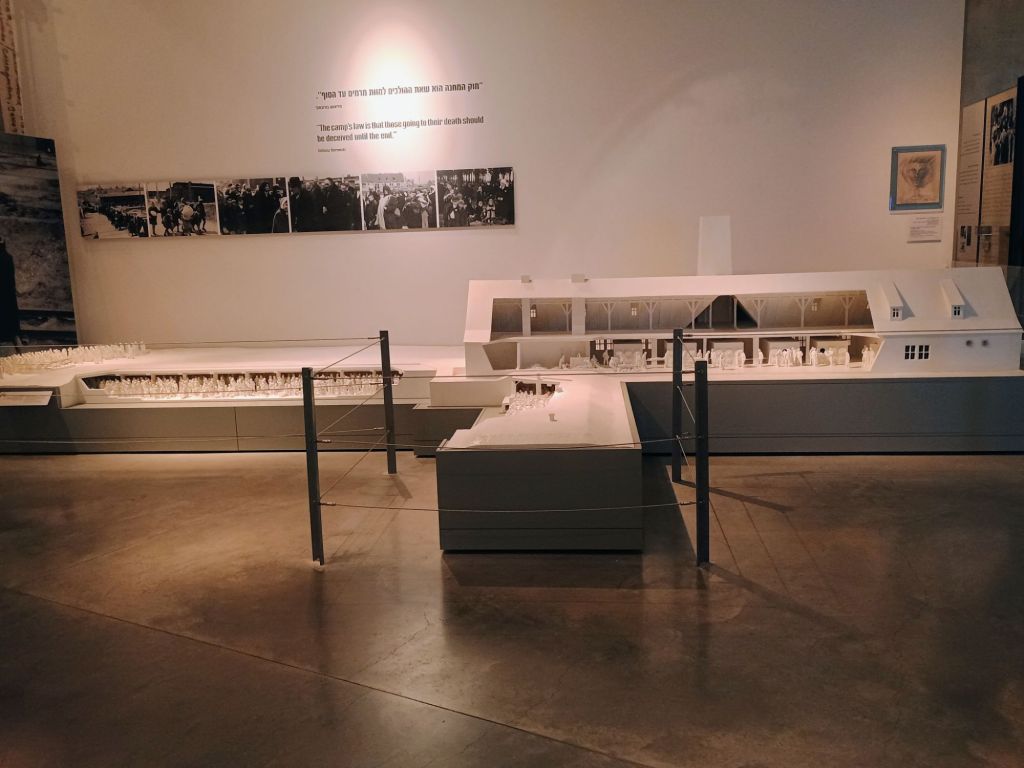
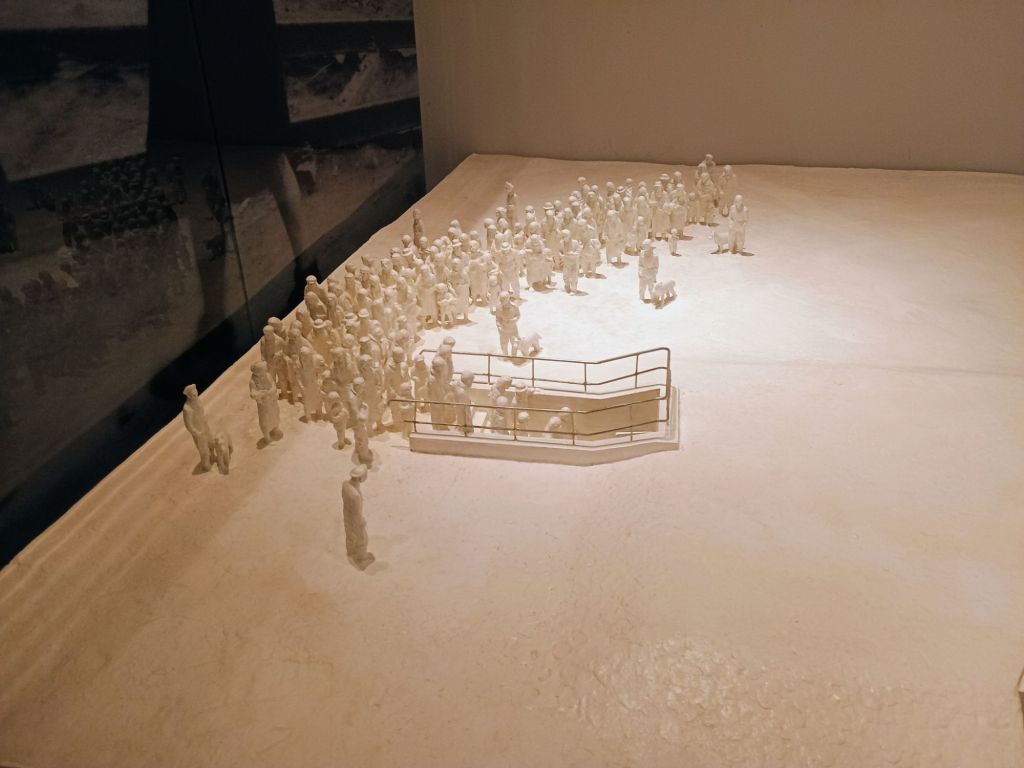
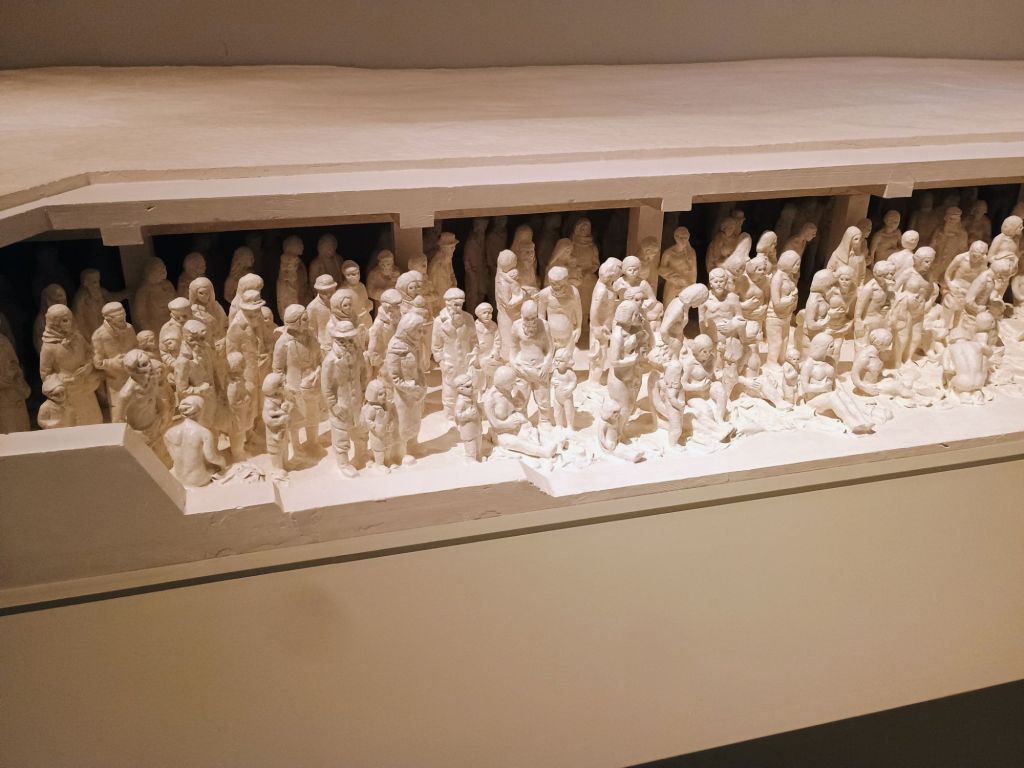
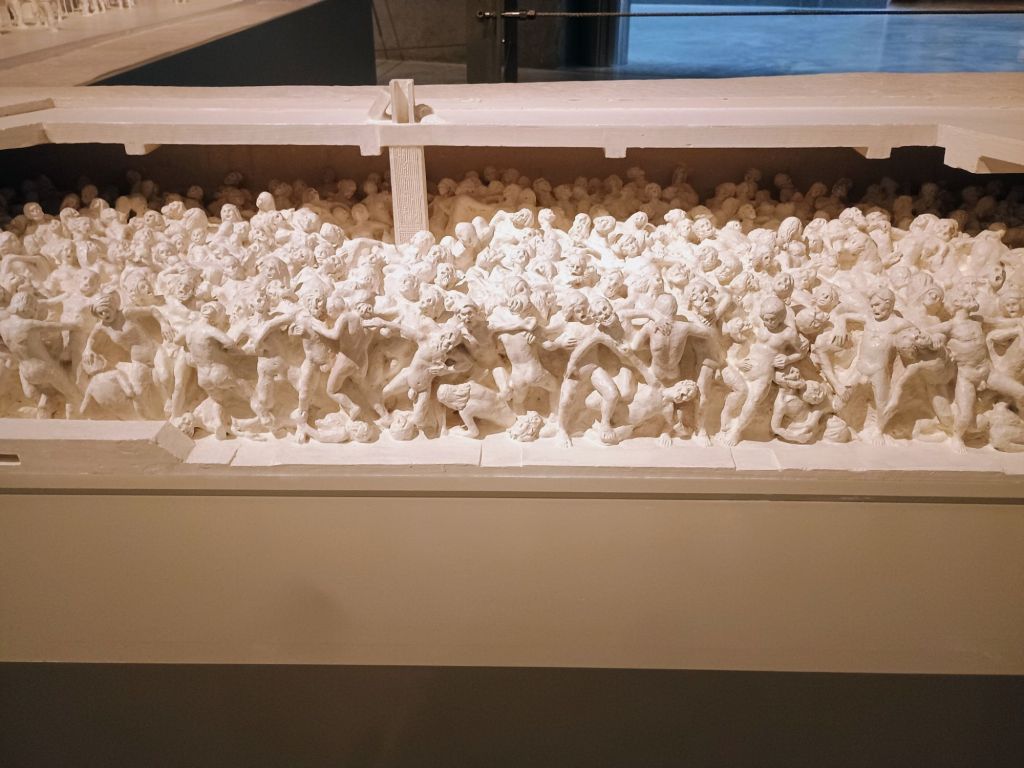
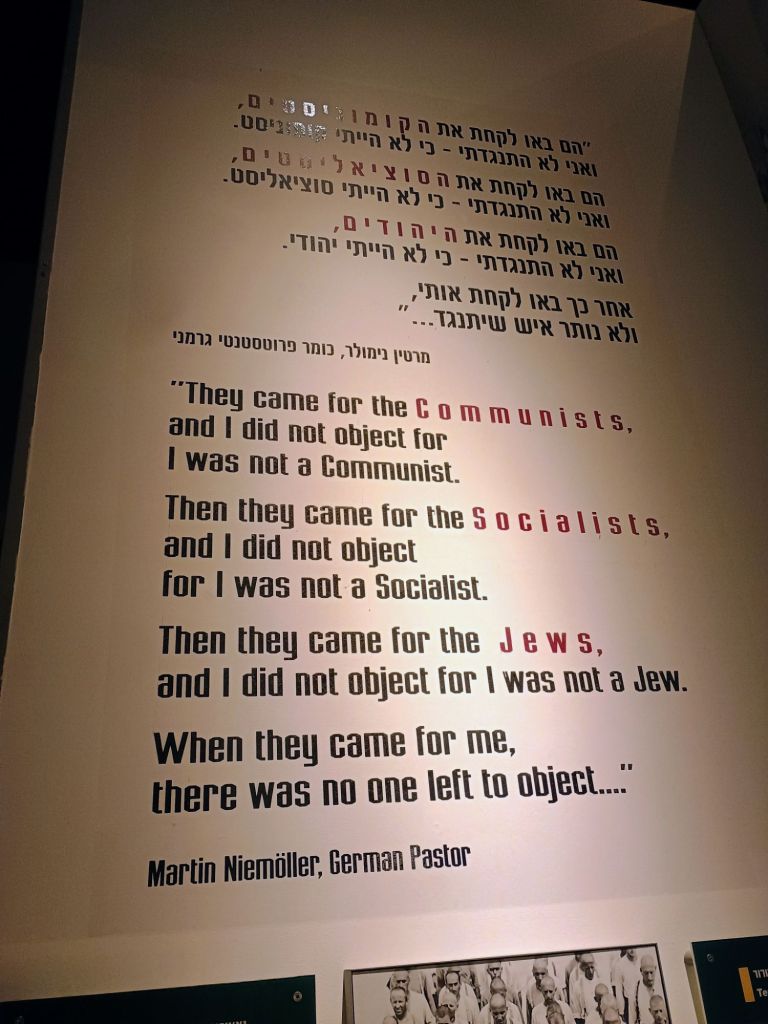
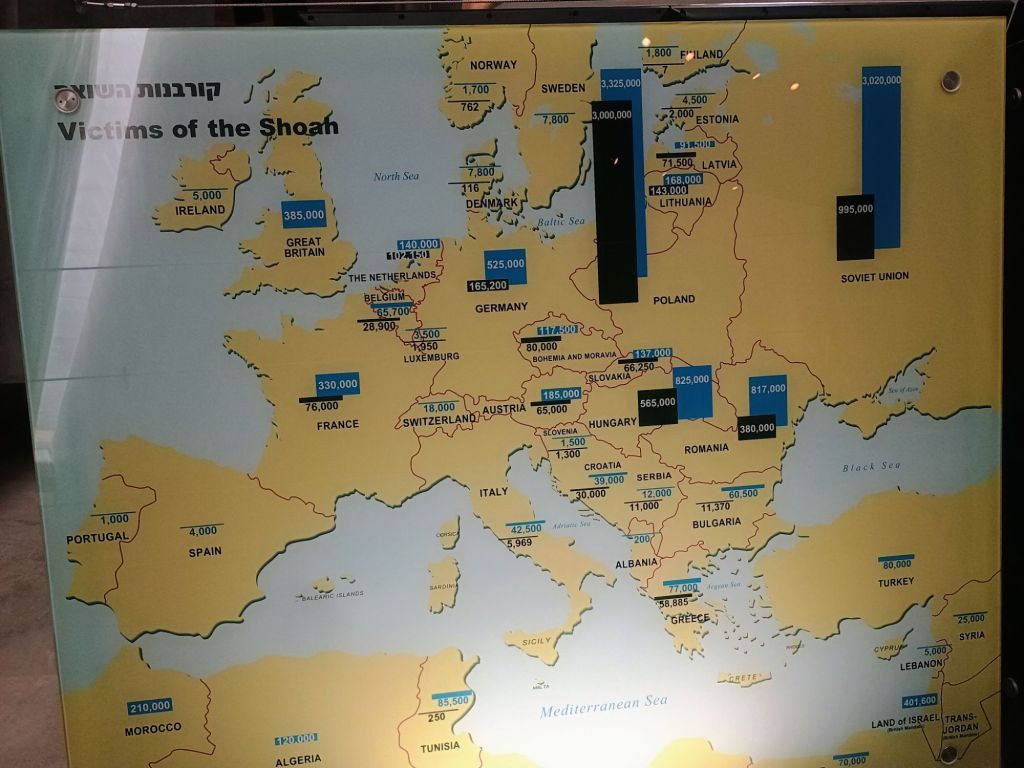
Blue = Jewish population, black = exterminated.
(Not shown: another 900,000 Russian Jews.)
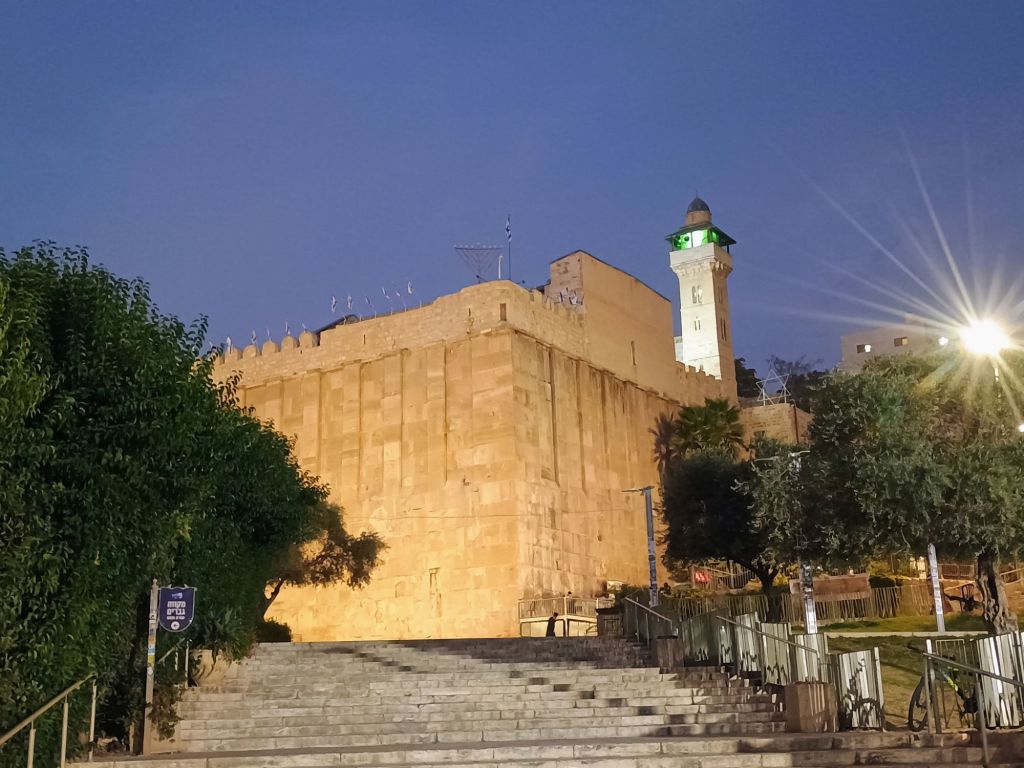
Our final stop was Hebron, a site never before seen for most of us. You likely heard about Hebron on the news earlier this week when terrorists killed 2 IDF soldiers. Before you gasp for breath, understand that our group is safe and the Israel Home Front Command has deemed it safe to travel there. When such attacks happen, they are almost always targeted attacks toward Jews (which was the case this time too). The IDF and Israeli police moved in immediately, and the two terrorists were eliminated right away. As is customary, the IDF then razed the homes in which the terrorists lived, removing any remaining threat.
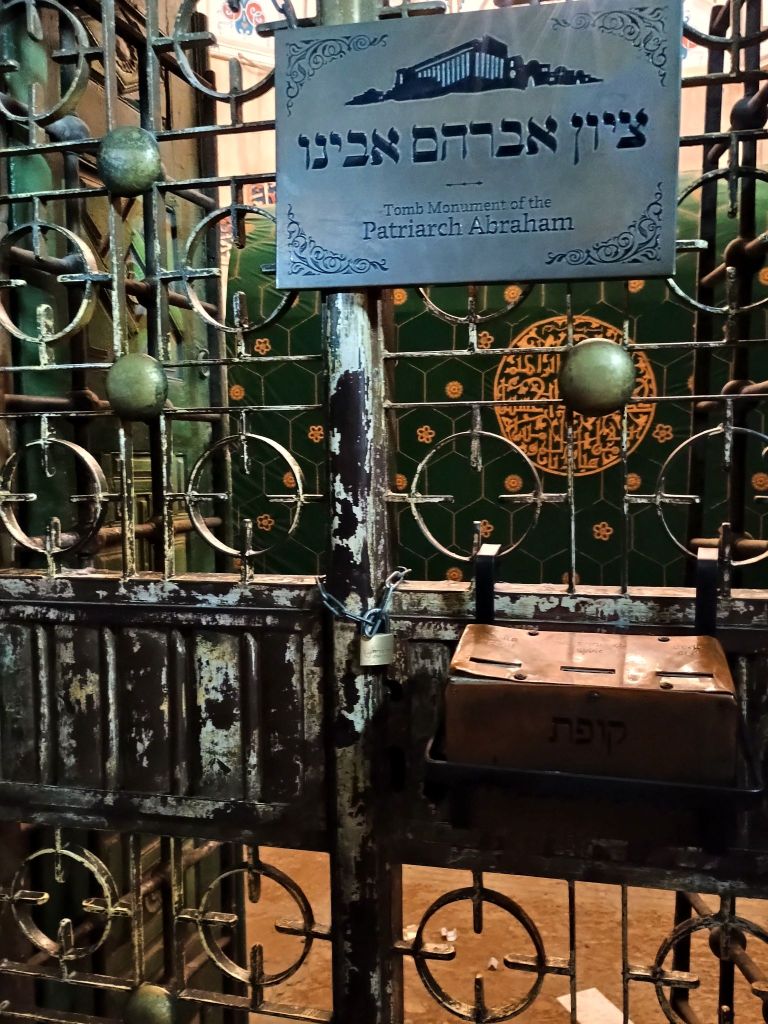
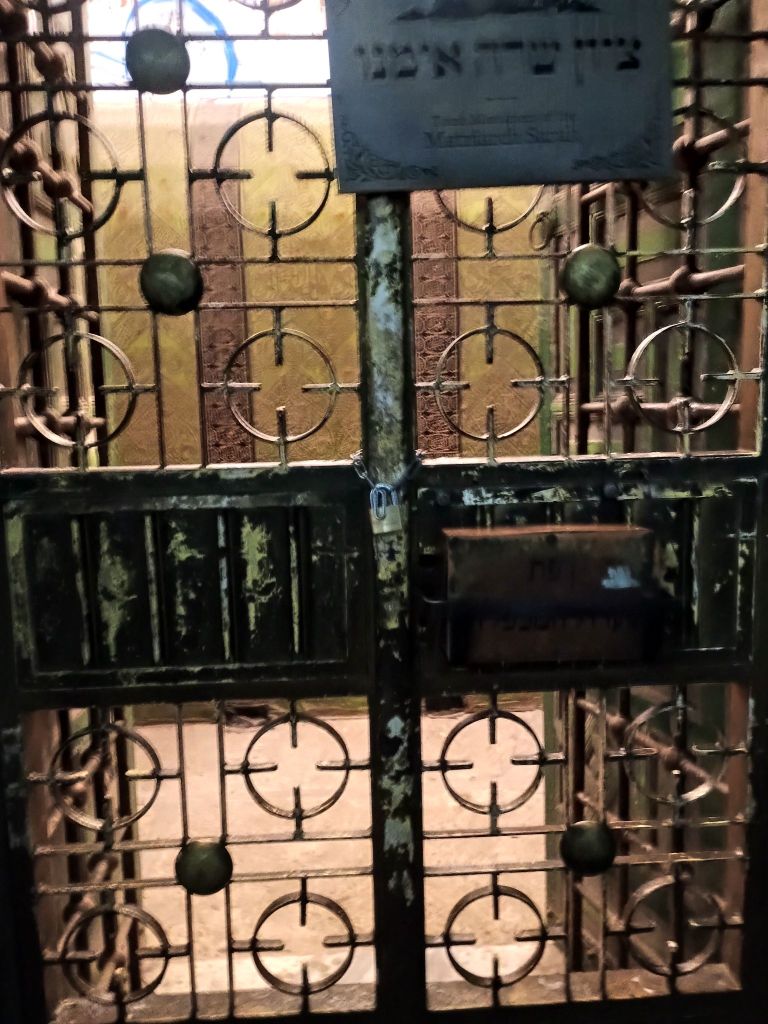
Hebron is an Old Testament city which is said to be the oldest Jewish community in the world since Abraham lived there in ancient times. According to Genesis 23:1-20, Abraham’s wife, Sarah, died and he wanted a place to bury her. For 400 shekels, he purchased the land that is now known as Hebron, and the graves of Abraham and Sarah, Isaac and Rebeka, and Jacob and Leah are all found there today in the great Cave of the Patriarchs. (Actual graves are buried far beneath what we see here, but representations of the graves are displayed behind elaborate fences as seen below.) It is also important to know the other side of this building is the Muslim commemoration of Abraham and Ishmael. Thus, the green light in the tower above the building.
It was a good day overall. Thanks for following our journey, and please stay with us! We have a stop at Emmaus, the Ayalon Institute near Tel Aviv, and our farewell lunch together before dropping guests at the airport for their return home. We will also pick up some guests joining us for the extension. There is much more to see as we begin a 3-day extension on October 28, and another tour on November 1. You are welcome to continue following along!

